



Table of Contents
- The Daily Battle
- Understanding ADHD and Productivity
- Key Daily Habits for Boosting ADHD Productivity
- The Science Behind It All
- Looking Ahead
- The Bottom Line
- Summary
- References
Imagine waking up with a sense of excitement for the day ahead rather than a chaotic jumble of tasks—some slipping away, some half-formed, ever ready to ambush. For those wrangling with ADHD, this idyllic scene might feel more like an unreachable daydream. Mornings often begin not as a fresh slate but as a cacophony of thoughts, persistent distractions, and that familiar tide of being overwhelmed. But what if I said there’s a way to transform this chaos into a symphony of productivity? Let’s talk about daily habits meticulously designed to uplift ADHD productivity, and here’s the kicker—they can genuinely make a difference.
The Daily Battle
When Maya, a vibrant 28-year-old, embraced her ADHD diagnosis, mornings became particularly daunting. Her day kicked off with an overwhelming array of reminders, alarms, and to-do lists on her phone—each adding to the noise and leaving her worn out before even getting started. Many might see a bit of themselves in Maya’s story—searching for clarity amidst mental clutter, eager for tools that cater to the ADHD brain’s unique architecture. How, then, do daily habits become powerful allies in this productivity quest?
Understanding ADHD and Productivity
Attention Deficit Hyperactivity Disorder (ADHD) is a global phenomenon affecting millions. If you’re part of this community, staying focused might sometimes seem like chasing shadows. Contrary to what one might assume, the heart of ADHD isn’t about lack of attention; it’s about an overabundance that ricochets in myriad directions. This often leads to a relentless battle in channeling focus productively.
“Our brains love a good thrill. For ADHD, the art lies in directing that thrill purposefully.”
— Dr. Sarah Chen, Clinical Psychologist at NYU
Back in 2020, ADHD.org shared a thought-provoking stat: about 5% of adults carry this diagnosis. Yet, the strategies aimed at boosting productivity aren’t exclusive to those diagnosed. The goal? To harness the unique strengths of an ADHD brain while rooting these in the daily rhythms of structured habits.
Key Daily Habits for Boosting ADHD Productivity
1. Morning Routines Matter
The dawn sets the mood for the hours to unfold. By crafting a structured morning routine, you anchor yourself emotionally, allowing distractions to melt away, paving a calm and focused path.
Why It Works: Automating morning tasks diminishes decision fatigue. This routine becomes your ritual, streamlining energy use efficiently.
How to Implement:
- Set a Regular Wake-Up Time: The National Sleep Foundation champions a stable sleep-wake cycle for better mood and cognitive sharpness.
- Simplify Choices: Streamline breakfast and clothing selections to save time and sidestep stress.
- Move: Physical activity elevates dopamine and serotonin, stabilizing mood and sharpening focus. A brief morning dance or brisk walk can suffice.
2. Prioritize with Daily Planning Tools
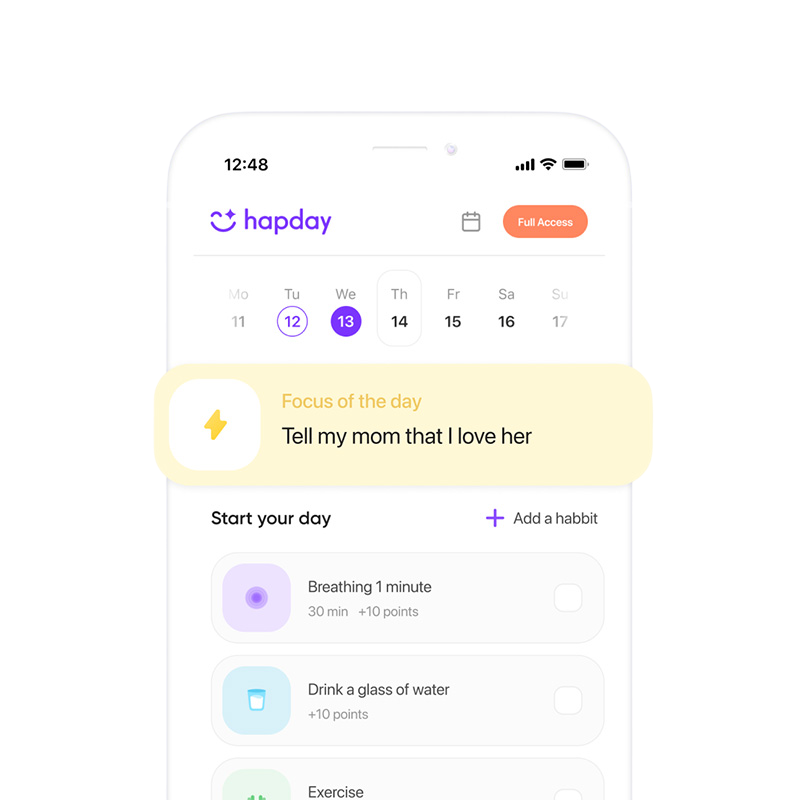
For those with ADHD, prioritizing tasks can quickly overwhelm. Tools like digital planners or habit-tracking apps cut through the chaos and parcel tasks into digestible pieces.
Why It Works: By externalizing tasks and breaking them into manageable chunks, these tools craft a mental and visual guide.
How to Implement:
- Use a Digital Planner: Apps like Sunrise – ADHD Coach cater specifically to ADHD, with task management features and reminders.
- Block Time: Allocate specific periods for tasks, blending focus with mindful breaks.
3. Leverage Hyperfocus
The ADHD mind occasionally stumbles into hyperfocus—a deep dive into whatever task grabs attention. Harnessing this can be remarkably productive.
Why It Works: During hyperfocus, intricate tasks find completion like clockwork. Yet, exiting this state requires careful management to avoid burnout.
How to Implement:
- Find Triggers: Notice natural hyperfocus times or tasks, and slot challenges during these windows.
- Use Alarms: Timers help check in and steer your focus or offer breaks when necessary.
4. Mindfulness and Meditation
Studies have shown mindfulness to alleviate ADHD symptoms, enhancing focus and easing stress, Harvard Health Publishing reminds us.
Why It Works: Mindfulness hones attention and curbs impulsivity by grounding you in the present.
How to Implement:
- Try Guided Meditation: Begin with 5-minute daily sessions. Apps like Headspace offer ADHD-friendly guidance.
- Practice Deep Breathing: Engage in deep breaths to clear your mind and recalibrate between tasks.
5. Healthy Habit Stacking
Habit stacking seamlessly connects a new habit to an existing one, offering a straightforward transition.
Why It Works: Linking to established behaviors makes embracing new habits feel more natural, less intimidating.
How to Implement:
- Pair with Existing Routines: Reflect on priorities or review goals during your established coffee ritual.
6. Embrace Technology
For those with ADHD, adaptive technology isn’t a luxury; it’s essential. The right tools can motivate and lock in productivity.
How to Implement:
- Smart Devices: Use smart speakers for reminders without disrupting focus by reaching for your phone.
- Focus Apps: Apps like Forest or the Pomodoro timer capitalize on effective time-management techniques.
Key Takeaways
- Structured morning routines can set a positive emotional tone for the day.
- Digital planners and habit-tracking apps help manage ADHD-specific challenges in task prioritization.
- Leveraging hyperfocus strategically can enhance productivity if managed correctly.
- Mindfulness practices ground attention and reduce impulsivity for better focus.
- Adapting technology can enhance motivation and streamline productivity.
The Science Behind It All
These strategies intertwine with the cognitive dynamics surrounding ADHD. Often, ADHD relates to neurotransmitter imbalances (dopamine, notably), which these habits counterbalance through structured activities, meditation, and physical exertion, as the NIH elaborates.
Looking Ahead
Productivity isn’t about flawlessness; it’s about discovering a rhythm that respects ADHD’s natural ebb and flow. Finding and integrating daily habits that weave structure with room for ADHD’s creative spark is transformative.
Feeling stressed? Remember, it’s a voyage—progress, not perfection. As you test these strategies, treat them as instruments for empowerment, not constraints.
Boosting productivity with ADHD is intensely personal. As you experiment, be gentle with yourself. Consider joining ADHD communities or enlisting professional aid to continue learning and growing from shared stories and support.
The Bottom Line
Ready to embrace this transformative productivity journey? You’re not going solo. Experts are redefining ADHD—less a hindrance, more a reservoir of unique strengths: creative problem-solving, entrepreneurship, and a flair for innovation.
Introduce these habits incrementally, noting shifts in productivity and your evolving relationship with ADHD. With time and persistent practice, your days might brim with the clarity and intent that once felt unattainable.
Summary
Developing ADHD-specific productive habits doesn’t happen in a single night. These changes are the sum of small, thoughtful shifts grounded in the ADHD brain’s requirements. Explore how routines, planning, mindfulness, hyperfocus, and tech can enhance productivity and offer a sense of control. Discover the Sunrise – ADHD Coach app to simplify your productivity journey.
References:
- Information from National Sleep Foundation
- Insights from Harvard Health Publishing
- Data from the NIH