





Table of Contents
- Understanding ADHD Emotional Dysregulation
- Why Do Emotions Escalate So Quickly?
- Practical Strategies for Daily Emotional Management
- Mindfulness Practices
- Cognitive Behavioral Therapy (CBT)
- Empowering Physical Activity
- Dialectical Behavior Therapy (DBT)
- Daily Routine Structuring
- Utilize Technology Aids
- Nutrition and Sleep
- Expert Voices and Real-World Examples
- Moving Forward with Empowerment
- Summary
- References
Understanding ADHD Emotional Dysregulation
Here’s the thing: Emotional dysregulation in ADHD isn’t a byproduct of laziness, nor a lack of trying. It roots itself in executive dysfunction, a hallmark of this neurodevelopmental condition. The prefrontal cortex—which plays a crucial role in self-regulation and moderating emotional responses—performs differently in ADHD-affected brains. This difference can make seemingly straightforward tasks, like remaining calm, feel monumental.
Consider Maya, 28, who found herself engulfed in panic during her divorce, where a trivial disagreement turned into an emotional hurricane. When emotions peak, self-regulation can feel unattainable, leading individuals with ADHD to grapple with the aftermath of their profound emotional experiences. Life can feel like a constant emotional rollercoaster.
Why Do Emotions Escalate So Quickly?
The National Institute of Mental Health observes that “deficits in executive function related to ADHD can lead to challenges in emotion regulation.” This diminished control means emotional triggers hit stronger and faster, often escalating with disconcerting speed.
Research suggests that neurotransmitter imbalances, especially concerning dopamine and norepinephrine, contribute to this. These chemicals, vital for mood modulation, often function less effectively in ADHD, magnifying emotional responses. It’s tough to handle.
Practical Strategies for Daily Emotional Management
How can you manage this surge of emotions, then? Let’s explore practical strategies that might help you regain a foothold.
1. Mindfulness Practices
Mindfulness helps the brain stay anchored in the present, curbing impulsive reactions. This isn’t reserved for the yoga crowd; it’s scientifically validated as advantageous for those with ADHD.
“Mindfulness helps bridge the gap between a stimulus and the response, allowing a critical pause before reacting.”
— Dr. Ellen Spiegler, Mindfulness Expert
*Starting off*: Begin with brief, daily exercises. Just five minutes of focused, mindful breathing can act as a buffer, enhancing your ability to sit with emotions instead of being overwhelmed by them.
2. Cognitive Behavioral Therapy (CBT)
CBT targets altering thought patterns to affect emotions and behaviors. This method can be adapted to assist those with ADHD in identifying what triggers their emotional flare-ups and devising healthier, new responses.
Consider Sam, a 24-year-old graphic designer, who found CBT indispensable in recognizing thought cycles fueling his emotional dysregulation during work pressure. Through therapy, he learned to intercept negative thoughts, helping to keep emotional reactions in check.
“By becoming aware of irrational thoughts, CBT lessens their grip, allowing for emotional moderation before responses spiral out of control.”
— Dr. Sarah Chen, Clinical Psychologist
3. Empowering Physical Activity
Exercise isn’t merely for physical health—it’s a mood stabilizer, especially pivotal for individuals with ADHD. Regular movement boosts mood-enhancing endorphins, counteracting neurotransmitter imbalances.
“Physical activities serve as a natural outlet for pent-up energy and can recalibrate emotional states.”
— Dr. Emily Ross, Exercise Psychology Lecturer
This needn’t be a long gym session; walking, dancing, or short routines can all help release emotional tension.
4. Dialectical Behavior Therapy (DBT)
This therapy specializes in sculpting emotional regulation, offering tools like distress tolerance skills—life-altering for those with ADHD. DBT emphasizes balance, teaching techniques to endure intense emotional experiences without impulsive reactions.
Integrating DBT methods like grounding exercises can offer respite during heightened emotions. These techniques focus on the present moment, rather than the chaotic emotional wave, shortening both the duration and intensity of emotional episodes.
5. Daily Routine Structuring
Structure can be a life preserver when it comes to managing ADHD. Consistent routines diminish uncertainty and stress, which frequently trigger emotional dysregulation. Construct a daily agenda that includes breaks, providing your mind with space to recover.
For instance, organizing tasks with specified timelines or using visual reminders can help balance emotional energies. A reliable routine fosters predictability, key in calming excessive emotional reactions.
6. Utilize Technology Aids
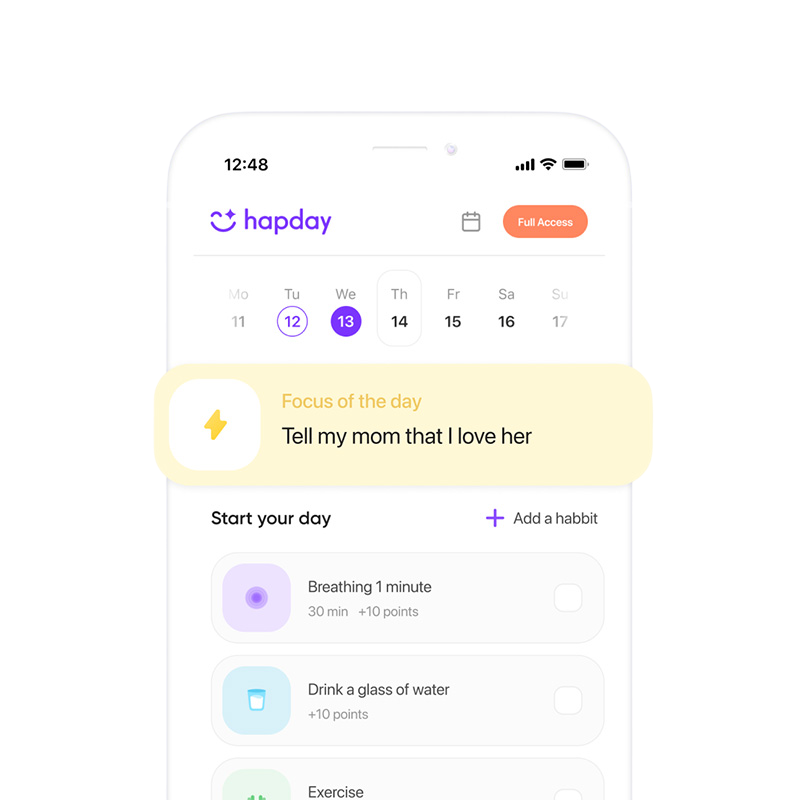
Apps and digital tools crafted specifically for ADHD can clarify efforts toward emotional regulation. Technology can send timely cues to practice techniques or pause, warding off emotional escalation.
Consider an app like Sunrise – ADHD Coach, facilitating habit tracking and AI-powered daily planning. Such tools can act as reminders for employing emotional regulation tactics regularly.
7. Nutrition and Sleep
Never underrate the solid ground of your body—nutrition and sleep. Both significantly affect cognitive function and emotional management. Poor dietary habits can induce blood sugar variations that amplify mood fluctuations, while insufficient sleep can exacerbate emotional instability.
Strive for balanced meals with proteins, healthy fats, and complex carbohydrates, and aim for steady sleep schedules. These fundamental aspects are crucial for sustaining balance.
Key Takeaways
- Emotional dysregulation in ADHD is rooted in executive dysfunction, not laziness.
- Mindfulness and structured routines can significantly aid emotional management.
- Physical activity and nutrition play crucial roles in stabilizing emotions.
- Cognitive and dialectical behavior therapies can help reshape emotional responses.
- Technology aids can offer consistent reminders and support in emotional regulation practices.
Expert Voices and Real-World Examples
When Maya began weaving these approaches into her everyday life, her emotional turmoil lessened. Practicing mindfulness tamed her morning nerves, while CBT deconstructed ingrained emotional reactions. It’s empowering when you realize you’re not battling alone.
Every approach underscores a pivotal insight: ADHD emotional dysregulation isn’t insurmountable. Through understanding and strategic practice, emotions can transition from adversaries to allies, guiding rather than controlling you.
Moving Forward with Empowerment
Living with ADHD demands navigating a highly complex emotional terrain, which can sometimes feel quite lonesome. Remember, you’re navigating an intricate neurological landscape, not a personal failing. With empathy and the right tools, it’s possible to manage emotional dysregulation—even daily.
By folding structured routines, adopting therapies like CBT and DBT, embracing mindfulness, and choosing activities that help release excess energy, emotional outbursts can be tamed, fostering resilience against emotional dysregulation.
This is your journey—own it. Arm yourself with the necessary tools, such as Sunrise – ADHD Coach, to maintain focus and emotional well-being.
Summary
Managing ADHD emotional dysregulation may appear challenging, but with a blend of mindfulness, therapeutic strategies, structured routines, and digital aids, one can transition from mere survival to thriving emotionally. Choose empowerment, break the cycles, and strengthen your resilience.
References
- National Institute of Mental Health
- Harvard Health Publishing
- Mayo Clinic
The Bottom Line
ADHD emotional dysregulation can be managed with the right strategies and insights. Embrace the journey ahead with confidence, knowing that these techniques can help you regain control and foster emotional balance.