





Table of Contents
- Understanding ADHD’s Emotional Toll
- The Importance of Emotional Wellness
- Daily Practices for Emotional Wellness
- Embrace Mindfulness
- Structure and Routine
- Practicing Self-Compassion
- Integrating Physical Movement
- The Healing Power of Nature
- Stories of Discovery and Balance
- Moving Forward with Strength
- Final Thoughts and a Path Forward
- References
Key Takeaways
- Emotional dysregulation is a significant aspect of ADHD that can lead to heightened stress and chaos.
- Prioritizing emotional wellness enhances relationships and overall quality of life for individuals with ADHD.
- Daily practices such as mindfulness, structure, self-compassion, physical movement, and nature immersion can significantly improve emotional health.
- The journey to emotional wellness is unique, requiring tailored approaches and consistent effort.
Understanding ADHD’s Emotional Toll
ADHD isn’t an isolated affliction, affecting millions globally and characterized by attention disparities and impulsivity, to name a few. However, the emotional ripple effects often surprise many. The American Psychological Association points out an underrecognized aspect—emotional dysregulation. This can intensify feelings of frustration and may lead to anxiety or depression.
“Emotional dysregulation in ADHD can heighten stress and disarray, leaving one feeling utterly scattered. Addressing emotions directly is crucial in managing ADHD holistically.”
— Dr. Sarah Chen, NYU
The Importance of Emotional Wellness
Why focus on emotional wellness within ADHD? It’s straightforward: emotional health is intertwined with every life facet. Ignoring it undermines other management strategies. Fostering emotional well-being strengthens relationships, boosts productivity, and elevates quality of life.
Harvard University’s research suggests those engaging in routine emotional self-care report enhanced mental health and life satisfaction. Attending to your emotional health can transform daily experiences, taming ADHD’s tempestuous tide into a navigable flow.
Daily Practices for Emotional Wellness
How do you nurture emotional wellness day by day? Here’s a dive into practices crafted for the ADHD mind.
Embrace Mindfulness
Mindfulness means immersing oneself fully in the present moment without self-judgment. It’s been shown to alleviate stress and bolster emotional regulation, notably in those grappling with ADHD. The Mayo Clinic asserts that consistent mindfulness practice enhances attention and tempers emotional responses, contributing to overall mental health.
Mindfulness Practices:
- Breathing Exercises: The 4-7-8 technique (inhale 4, hold 7, exhale 8) helps center your attention.
- Body Scan: Notice how each part of your body feels, from head to toe, without judgement.
- Mindful Tasks: During daily activities like eating or walking, engage senses fully—notice tastes, sounds, and textures.
Structure and Routine
For ADHD-affected individuals, routine isn’t stifling but freeing, easing decision fatigue and stress. A predictable daily framework often conserves mental energy for managing unforeseen emotional upheavals.
Why it’s Effective: A set routine minimizes unpredictability—a boon for anxiety reduction, securing a familiar safety net. Research suggests structured life aids in orderly thought and emotional processing, essential for emotional balance (per the National Institute of Neurological Disorders and Stroke).
Building Routines:
- Regular Sleep Patterns: Proper sleep is crucial for mood optimization and emotional fortitude.
- Visual Tools and Apps: Use planners or apps tailored for ADHD to schedule days visually.
- Morning and Night Rituals: Kick off and close days with reflection, maybe through journaling, to manage emotions effectively.
Practicing Self-Compassion
Self-compassion requires treating oneself as kindly as one would a cherished friend. It’s not just feel-good advice; it’s evidence-based. Nurturing self-compassion alleviates negative emotions, which is fundamentally beneficial for those with ADHD (as backed by University of California, Berkeley research).
Practicing Self-Compassion:
- Reframe Negatives: Catch and kindly reshape critical inner dialogue.
- Acknowledge Emotions: Without judgment, recognize that off-days are part of life’s fabric.
- Affirmations: Develop affirmations accentuating progress and strengths.
Integrating Physical Movement
Exercise is a well-documented mood enhancer. The link between physical activity and emotional wellness is particularly significant for ADHD individuals, dispersing restless energy and fostering positivity through endorphin release.
Incorporating Movement:
- Short Activity Bursts: Brief, enjoyable activities—think walking or dancing—prove beneficial and are easily inserted into busy schedules.
- Find a Fun Exercise: Whether yoga or running calls to you, make it a regular pursuit.
- Movement Breaks: Insert physical activity into your routine as a revitalizing break.
The Healing Power of Nature
The natural world exerts potent effects on emotional states. Nature immersion soothes stress and boosts mood—a boon for ADHD minds thriving in calm expanses.
Why it Works: Nature’s tranquility can offset the overstimulation of urban lives. NIH studies reveal that even brief nature interactions recalibrate frazzled minds.
Connecting with Nature:
- Nature Walks: Wander in parks or woods; any quiet natural refuge will suffice.
- Mindful Observance: Engage senses fully; notice flora and fauna.
- Outdoor Mindfulness: Meditating outdoors can amplify your nature-induced calm.
Stories of Discovery and Balance
Everyone’s path to emotional wellness with ADHD is unique, but shared stories can inspire. Thomas, 35, facing managerial demands and ADHD, found mindfulness and structure pivotal in mastering his stress.
“Establishing routines liberated me. It’s not only about time management but emotional navigation through work’s turbulent waves.”
— Thomas, ADHD Advocate
Moving Forward with Strength
Self-care in ADHD transcends symptom handling—it constructs a nurturing environment to emotionally thrive. By implementing these practices, you wield empowerment over your emotional landscape, readying yourself for life’s manifold challenges.
As you embark on this journey, remember you’re crafting a tailored path to emotional wellness. Every endeavor underlines your dedication towards nurturing a healthier, happier you.
Final Thoughts and a Path Forward
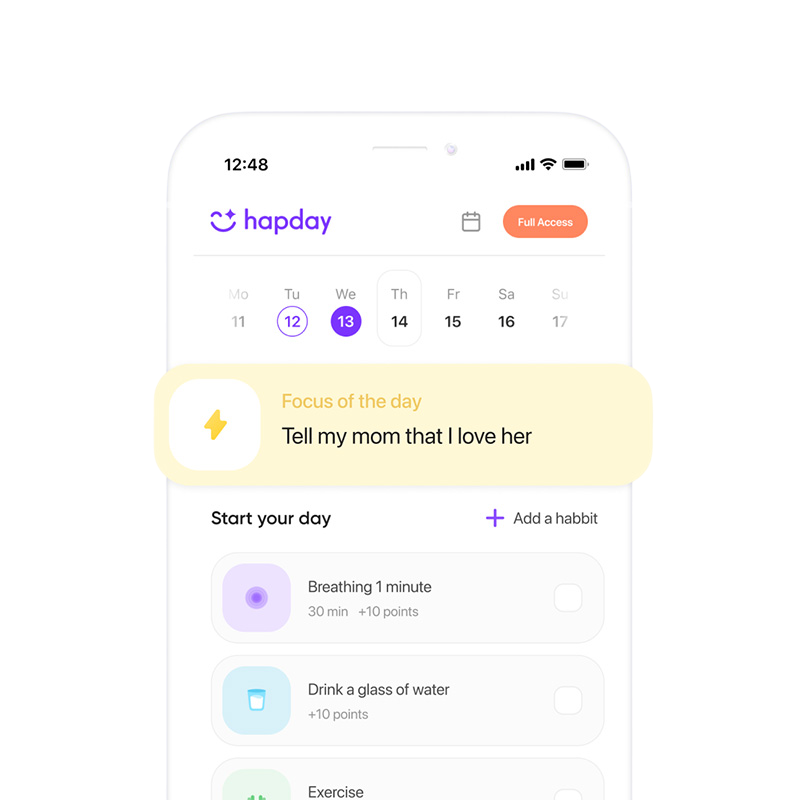
In an ADHD world feeling like an unending whirlwind, these practices become invaluable pauses—opportunities for emotional recalibration. Consider Sunrise – ADHD Coach, an app offering habit tracking, focus tools, and customized planning solutions for ADHD minds, as a structured means to integrate these habits into life.
References
- American Psychological Association – https://apa.org
- Mayo Clinic – https://mayoclinic.org
- Harvard University – https://harvard.edu
- National Institute of Neurological Disorders and Stroke – https://nih.gov
- University of California, Berkeley – https://berkeley.edu
- National Institutes of Health – https://nih.gov
The Bottom Line
Embracing emotional wellness through self-care is not just necessary for individuals with ADHD; it’s a pathway to a fulfilled and balanced life. By adopting these daily habits, you can create a supportive environment that nurtures your emotional well-being and enhances your capacity to deal with life’s challenges.