





Table of Contents
- Understanding ADHD and Focus
- Building a Focus-Friendly Environment
- Embracing Routine with Flexibility
- The Power of Mindfulness and Meditation
- Tech Tools for Enhancing Focus
- Physical Activity as a Focus Booster
- Nutrition: Feeding the Focus
- Professional Guidance: When to Seek Help
- Building a Supportive Community
Key Takeaways
- Understanding ADHD involves recognizing the brain’s unique wiring and challenges with attention and impulse control.
- Creating a clutter-free environment can significantly enhance focus by minimizing distractions.
- Flexible routines combined with mindfulness practices can improve attention and cognitive function.
- Incorporating regular physical activity and a balanced diet is crucial for cognitive health.
- Seeking professional support and community can provide essential tools and encouragement.
Imagine this: It’s a sunny Thursday afternoon. You’re nestled comfortably in your favorite reading nook, one that’s seen as many books as days spent dreaming. You’ve sworn, really this time, to finish that last chapter you’ve been battling for weeks. Yet, your thoughts have other ideas. As if on cue, they flit away to distant corners — the nagging work deadlines, tonight’s dinner plans, the maddening jingle lodged in your brain. Sound familiar? If ADHD is part of your life, you know this all too well.
ADHD — or Attention Deficit Hyperactivity Disorder — isn’t just about occasional distraction; it’s a relentless dance of thoughts where focus feels miles away. It’s not simply a wandering mind — it’s a whirlwind, where thoughts speed by and concentration flimsy at best. How do you navigate this unique mental landscape to cultivate lasting attention?
In recent years, our understanding of ADHD has expanded significantly.
“ADHD is more than just being occasionally inattentive. It’s a neurological condition affecting executive functions such as organizing, managing time, and impulse control.”
— Dr. Sarah Chen, NYU
For those dealing with ADHD, developing strategies that nurture sustained attention isn’t just valuable — it’s life-altering.
Understanding ADHD and Focus
Before confronting the whirlwind, it’s vital to grasp how ADHD focus works. The prefrontal cortex — responsible for regulating attention, impulsivity, and decision-making — often functions differently in individuals with ADHD. This divergence can make even simple tasks seem insurmountable.
Dopamine, a key neurotransmitter in the brain, plays a pivotal role here. Reduced dopamine levels often mean lower satisfaction in small tasks, weakening the reward signals crucial for sustained focus. You’re not procrastinating just for the sake of it; your brain is hardwired to chase novelty and stimulation.
Back in 2021, a study from the National Institute of Mental Health noted that individuals with ADHD struggle with delay of gratification. It’s almost like the internal clock is off, diminishing the capacity for prolonged focus. So, how do you move from scattered to steady?
Building a Focus-Friendly Environment
Years ago, Maya, 28, found herself overwhelmed with tasks after her divorce, with ADHD seemingly magnified by stress. A profound realization dawned: her environment was an unseen adversary. Decluttering her space and using noise-canceling headphones created a focused haven for her attention.
The Science Behind It
Your surroundings influence concentration significantly.
“The key lies in minimizing distractions. Physical clutter often translates into mental clutter.”
— Paul Collins, Occupational Therapist
Visual distractions wage war on the brain’s attention, making focus elusive.
The How-To
- Organize Your Space: Kick off with small steps. Clear your desk of non-essentials, keep vital tools within reach, and embrace minimalistic décor for tranquility.
- Sound Matters: Experiment with white noise or soft instrumental music. Platforms like Spotify offer ‘focus’ playlists designed to bolster concentration.
Embracing Routine with Flexibility
Routines can be an invaluable ally for those with ADHD. But rigid structures? Not always sustainable. The trick lies in crafting flexible routines that respect spontaneity while steering you toward your goals.
Maya found setting gentle structures more beneficial than rigid timelines, allowing her to pivot when necessary without dropping tasks.
Why It Works
Flexible routines set predictable dopamine release patterns. The American Psychological Association highlights that predictable tasks foster neurological patterns that support consistent behavior.
Steps to Implement
- Start Small: Begin with a consistent wake-up time, and gradually weave in rewarding activities.
- Batch Tasks: Group similar activities. Enjoyable tasks boost dopamine, neutralizing more daunting ones.
- Reflect and Adjust: Let your routine evolve. If something’s not working, scrutinize and adapt.
The Power of Mindfulness and Meditation
We’ve all rolled our eyes at meditation at some point. But science backing its benefits for ADHD is compelling. Mindfulness encourages presence, a much-needed contrast to scatterbrained default modes.
The Why
Research from Harvard University suggests mindfulness restructures the brain’s prefrontal cortex, enhancing attention and executive functioning. By practicing mindfulness, you’re doing more than calming the mind — you’re rewiring it.
Making It Work
- Start Small: Just five minutes a day could transform you. Use guided meditation apps like Headspace or Calm.
- Be Active: Mindfulness isn’t synonymous with stillness. Activities like yoga or tai chi engage the body, channeling excess energy and promoting presence.
Tech Tools for Enhancing Focus
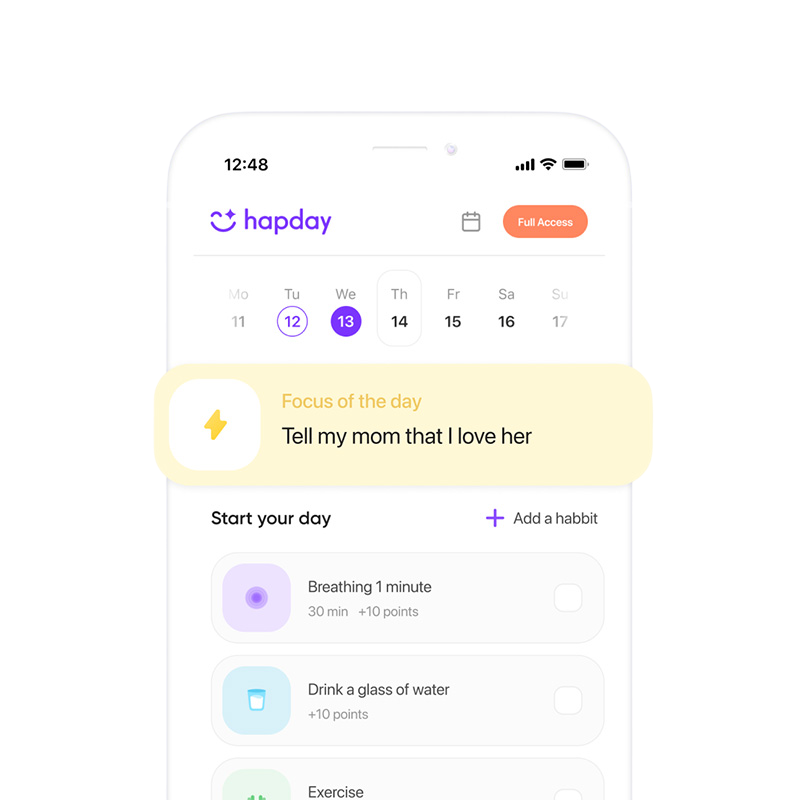
In the right hands, technology aids ADHD focus maintenance. Digital aids offer reminders, organization, and even celebrate progress.
Dr. Jamie Lin, a neuropsychiatrist, advises thoughtful tech integration:
“Apps can offload mental burdens, remind routines, and provide visually stimulating success tracking.”
— Dr. Jamie Lin, Neuropsychiatrist
Tools of The Trade
- Time Management Apps: Forest and Focus@Will excel at maintaining focus through structured breaks and concentration-enhancing music.
- Note Taking: Evernote captures fleeting ideas, stores vital documents, and organizes cluttered thoughts.
- Digital Assistants: Tools like Siri or Alexa streamline days with time-sensitive task reminders.
Physical Activity as a Focus Booster
Never underestimate physical movement’s role. Exercise boosts more than fitness; it’s a cognitive enhancer, crucial for those with ADHD.
The Brain Boost
Physical activity elevates dopamine and norepinephrine levels, vital for attention and mood regulation. A Mayo Clinic study notes moderate exercise significantly elevates executive function and working memory among those with ADHD.
Incorporating Activity
- Daily Movement: It needn’t be gym-focused. A brisk 20-minute walk clears the mind and resets focus.
- Mix It Up: Engage in activities you love—dance, swim, cycle—variety sustains interest.
- Mindfulness in Motion: Combine exercise with mindfulness. A mindful walk, with conscious environmental focus, enhances both presence and concentration.
Nutrition: Feeding the Focus
Your diet profoundly influences focus. A balanced nutritional plan directly impacts brain health and functionality.
Fueling Right
Registered Dietitian Lisa Munn explains,
“Particular nutrients enhance cognitive health. Omega-3s, proteins, and complex carbohydrates stabilize mood and sharpen focus.”
— Lisa Munn, Registered Dietitian
Dietary Tips
- Include Omega-3s: Found in fish, flaxseed, and walnuts, vital for brain health.
- Balance Blood Sugar: Keep complex carbs handy—whole grains, beans—to avoid sugar spikes affecting focus.
- Hydrate: Dehydration stealthily kills focus; always keep a water bottle handy.
Professional Guidance: When to Seek Help
Knowing when to seek help is crucial. If self-help strategies fall short, therapies and medications might be the answer. Consult neurologists or psychiatrists experienced in tailoring treatment plans to individual needs.
“Therapies like CBT and coaching can help individuals develop new focus strategies aligned with life circumstances.”
— Dr. Sarah Chen, NYU
Building a Supportive Community
You don’t have to face this alone. Finding a community of understanding peers exponentially enhances focus improvement. Local support groups, online forums, and social media communities transcend geographical barriers, offering camaraderie and shared wisdom.
Sometimes, exploring ADHD-specific coaching options like Sunrise – ADHD Coach can open new pathways. With tools for habit tracking, focus enhancement, and AI-assisted planning, Sunrise empowers your quest for improved attention.
In the journey to enhance ADHD focus for lasting attention, taking slow, steady steps is okay. Each effort progresses, each strategy an investment in your wellbeing. While ADHD presents challenges, it also ignites creativity, energy, and innovation. Harness these gifts with strategies aligned to your context, and unlock your potential.
The Bottom Line
Living with ADHD is a distinctive journey requiring empathy, strategy, and support. By understanding the science and crafting tailored systems, inclusive environments, and engaging routines, sustained focus is genuinely within reach. Don’t hesitate to seek professional assistance and community backing. Engage actively in this journey, allowing technology and nutrition to fuel your progress.
References
- National Institute of Mental Health
- American Psychological Association
- Harvard Health Publishing
- Mayo Clinic