




Table of Contents
- Understanding ADHD and Emotional Wellness
- Recognizing ADHD’s Emotional Triggers
- Creating a Routine that Respects Your ADHD
- Cultivating Emotional Awareness
- Social Connections as Emotional Anchors
- Embracing Physical Health for Emotional Benefits
- Nourishing the ADHD Brain
- Leveraging Technology for Emotional Balance
- What If It Feels Too Much?
- Conclusion: Unlocking Daily Emotional Wellness with ADHD
Understanding ADHD and Emotional Wellness
Take Maya, for instance, a 28-year-old who was caught in an emotional storm following her divorce. She soon realized her ADHD had a significant hand in her reactions. Similar to countless others dealing with ADHD, Maya battled emotional dysregulation — a feature of the disorder oftentimes brushed aside. Yet, emotional wellness within ADHD isn’t just about reigning in emotions; it’s about learning to understand and navigate them.
Research from the American Journal of Psychiatry tells us that emotional dysregulation impacts roughly 34-70% of those diagnosed with ADHD, underlining the significance of weaving emotional wellness into everyday care. The numbers are striking, aren’t they?
Recognizing ADHD’s Emotional Triggers
Ever wondered why your emotions seem to turn against you? ADHD isn’t merely a condition marked by attention deficits and hyperactivity; it’s deeply intertwined with emotional experiences. It alters the way you perceive and react to the world, and shifts in routine can amplify this response.
“ADHD affects emotional processing in the brain. It’s not just about being more emotional, but feeling emotions more intensely and reacting more quickly.”
— Dr. Sarah Chen, Clinical Psychologist, NYU
Creating a Routine that Respects Your ADHD
The chaos feels real, doesn’t it? But establishing a daily routine can offer much-needed structure. Consider it akin to sketching out a map before venturing into the unknown. This is not just task management, but an exercise in nurturing emotional health.
Why Routines Work
A study from Harvard Medical School underscores how routines lay down predictable patterns, decreasing stress and bolstering more effective responses to unexpected challenges. It’s not groundbreaking, but it’s impactful.
How to Make it Work:
- Daily Emotional Check-ins: Recognize and jot down your feelings. You may observe emerging patterns that you can anticipate and manage over time.
- Visual Timers: Apps or physical timers help allocate time for tasks, anchoring your day and minimizing anxiety over time management.
Cultivating Emotional Awareness
Emotional awareness is the bedrock of emotional wellness. It begins with recognizing your feelings — before they spiral out of control.
“Asking yourself what you’re feeling and why can defuse emotional intensity. It’s about becoming a detective of your own emotions.”
— Dr. Robert Myers, ADHD Expert
Practical Steps to Foster Awareness:
- Mindfulness Meditation: Even brief, consistent practices can vastly heighten your awareness of emotional states.
- Journaling: Dedicating five minutes to jotting down daily musings creates a dialogue with your inner self.
- Naming Emotions: Simply identifying your emotions can diminish their intensity. It sounds simple but makes a world of difference.
Social Connections as Emotional Anchors
Before understanding her own ADHD and emotional landscape, Maya often isolated herself during overwhelming times. Yet, establishing and nurturing social connections can have a grounding effect. Interacting with others can alter your focus and offer alternate views on situations.
A study from the National Institutes of Health found that robust social ties significantly enhance emotional well-being, aiding in stress mitigation.
How to Enhance Social Support:
- Schedule Social Time: Dedicate time weekly for connecting with loved ones.
- Join ADHD Support Groups: Both online and offline communities offer understanding and shared experiences.
- Communication Skills: Practice expressing needs clearly, helping friends comprehend your ADHD journey.
Embracing Physical Health for Emotional Benefits
Simply put, physical wellness impacts emotional health directly. Exercise prompts the release of neurotransmitters such as dopamine and serotonin, enhancing mood and focus.
Research indicates that regular physical activity can mitigate emotional instability in those with ADHD.
Ways to Involve Physical Movement:
- Choose Enjoyable Activities: From dancing to cycling, identify what brings joy.
- Short Bursts of Activity: Frequent, brief exercise intervals suit energy levels well.
- Integrate Movement into Daily Routines: Standing desks or walking breaks add movement seamlessly.
Nourishing the ADHD Brain
The way you fuel your body inherently affects your mind. A balanced diet does more than sustain physical energy; it stabilizes mood and focus.
The Mayo Clinic underscores the benefits of diets rich in omega-3 fatty acids, proteins, and complex carbohydrates for managing ADHD symptoms.
Simple Nutritional Tips:
- Focus on Balanced Meals: Incorporate protein-rich breakfasts and fiber for sustained energy.
- Hydration: Dehydration can trigger mood swings, so keep water handy.
- Reduce Processed Sugars: These can cause blood sugar spikes and crashes, amplifying emotional reactions.
Leveraging Technology for Emotional Balance
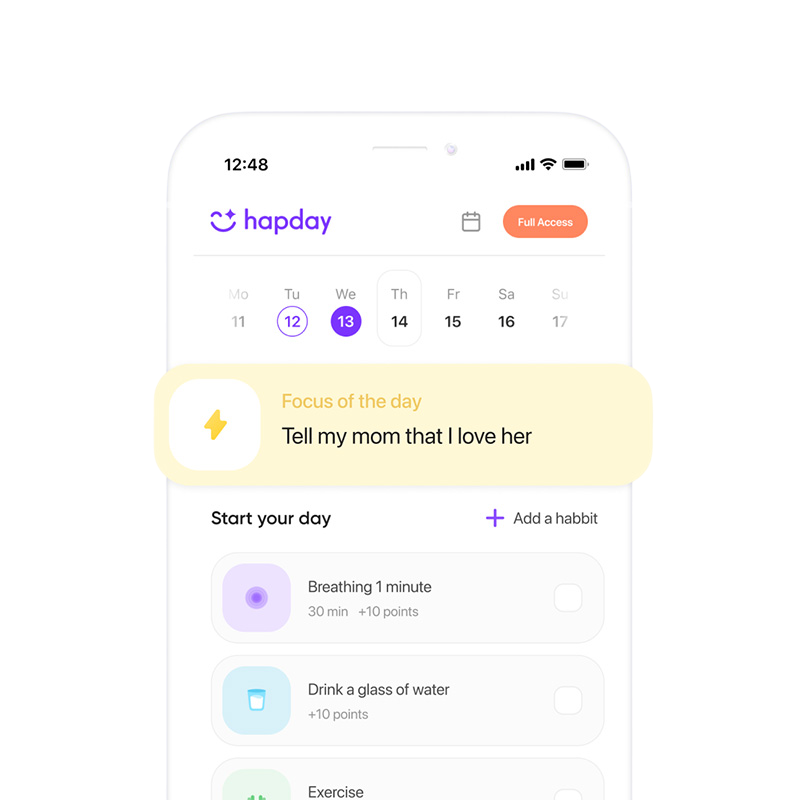
In today’s digital world, technology need not be foe. Apps crafted for ADHD offer tools to manage emotions, plan days, and track moods.
Seek out apps featuring reminders, mood tracking, and focus aids. A well-chosen app can serve as a personal coach, gently nudging and supporting you.
What If It Feels Too Much?
Despite your efforts, there will be days when everything feels overwhelming. Know that seeking help is okay. Consulting therapists or ADHD specialists provides tailored strategies for coping with emotional upheavals.
“Seeking professional support can help in finding strategies that are specifically tailored to your needs, leading to sustainable emotional wellness.”
— Dr. Sarah Chen, Clinical Psychologist, NYU
Conclusion: Unlocking Daily Emotional Wellness with ADHD
Embracing your ADHD emotional wellness is an ongoing journey, demanding kindness, patience, and perseverance. By acknowledging emotional triggers, establishing routines, and building support systems, you can transform chaos into harmonious daily experiences. Remember, you hold the power to shape your emotional landscape each day.
Feeling overwhelmed or unsure of where to begin? Explore tools designed to support ADHD management. Download Sunrise – ADHD Coach for a personalized approach to habit tracking, focus tools, and daily planning crafted for ADHD minds.
Key Takeaways
- Emotional dysregulation is a common challenge in ADHD, affecting 34-70% of individuals.
- Establishing a routine can help create emotional stability and reduce stress.
- Cultivating emotional awareness can transform overwhelming feelings into manageable experiences.
- Building strong social connections significantly enhances emotional well-being.
- Physical health and nutrition directly influence emotional health in individuals with ADHD.
The Bottom Line
Embracing emotional wellness with ADHD involves understanding your emotions, creating supportive routines, and fostering social connections. With patience and effort, you can navigate the emotional landscape of ADHD and cultivate a more harmonious daily life.