





Table of Contents
- Understanding ADHD’s Unique Productivity Struggles
- The Science: Routine Underpins Productivity
- Crafting Simple Routines to Elevate Productivity
- The Power of Morning Rituals
- Breaking Tasks into Bite-Sized Chunks
- Harness Visual Aids and Tools
- Align Routines with Passions
- Simplify Your Environment
- Regular Exercise
- Accountability: Not All Tasks Are Solo Endeavors
- Encourage Open Conversations on Your Journey
- Into the Green: Routines as Pathways to Peace
Key Takeaways
- Simple routines offer structure for individuals with ADHD, enhancing focus and productivity.
- Morning rituals and mindful planning can lead to small victories that improve motivation.
- Breaking tasks into smaller chunks and utilizing visual aids can reduce overwhelm.
- Aligning boring tasks with personal interests can boost engagement through hyperfocus.
- Regular exercise and a decluttered environment contribute to better mental clarity and productivity.
Understanding ADHD’s Unique Productivity Struggles
When Maya, 28, went through a tough divorce, everyday tasks became Herculean. Suddenly, the ADHD diagnosis she received back in college made sense.
“I’d sit to work, but then the laundry, emails, and groceries just… invaded,” she recounts. “Days vanished.”
— Maya, ADHD Advocate
ADHD brings its blend of hurdles: erratic focus, impulsivity, and lack of executive function. According to the Centers for Disease Control and Prevention, about 4.4% of U.S. adults live with ADHD. For them, boosting productivity isn’t just about ticking off tasks—it’s about reclaiming control over their spiraling lives.
The Science: Routine Underpins Productivity
“Routine provides external structure for the mind’s naturally wandering ways.”
— Dr. Sarah Chen, Clinical Psychologist
Routines create predictability, easing decision fatigue and conserving mental energy. When your brain is free of the anxiety over what’s next, you can dive deeper into tasks, boosting both focus and results.
Crafting Simple Routines to Elevate Productivity
The Power of Morning Rituals
Begin your day with intention—a simple yet powerful tool. While they can appear daunting, routines don’t need to be complex. Michelle, a professional at the height of her career, swears by her morning habits.
“Just a cup of coffee, five minutes journaling, jotting down three must-do tasks—game changer,” she claims.
— Michelle, Career Coach
Morning rituals spark small victories that trigger dopamine, crucial for concentration and motivation. Harvard Health found routine dopamine boosts can elevate mood and attention.
Steps to Take:
- Consistent Wake-Up: Rise at the same time daily, weekends included.
- Mindful Mornings: Spend a few minutes meditating.
- Plan Daily: Outline three tasks aligning with broader weekly targets.
Breaking Tasks into Bite-Sized Chunks
Huge tasks feel overwhelming, leading us down procrastination’s path. Breaking them into manageable parts keeps the momentum flowing without the overwhelm.
Reason for Its Effectiveness:
The Pomodoro Technique, created by Francesco Cirillo, splits work into intervals (usually 25 minutes) with short breaks. This approach aligns with the brain’s focus rhythms, allowing structured rest.
How to Apply It:
- Set a Timer: Maintain focus for 25 minutes.
- Break for 5 Minutes: Get up, stretch, or sip water.
- Repeat the Cycle: After four cycles, enjoy a longer break.
Harness Visual Aids and Tools
Elizabeth, a graphic designer, stands by her trusty whiteboard.
“Seeing my to-dos is essential—otherwise, it’s like trying to grasp smoke.”
— Elizabeth, Graphic Designer
Visual cues reduce cognitive load, externalizing memory. Writing tasks engages additional cognitive pathways, solidifying retention.
Ways to Use Them:
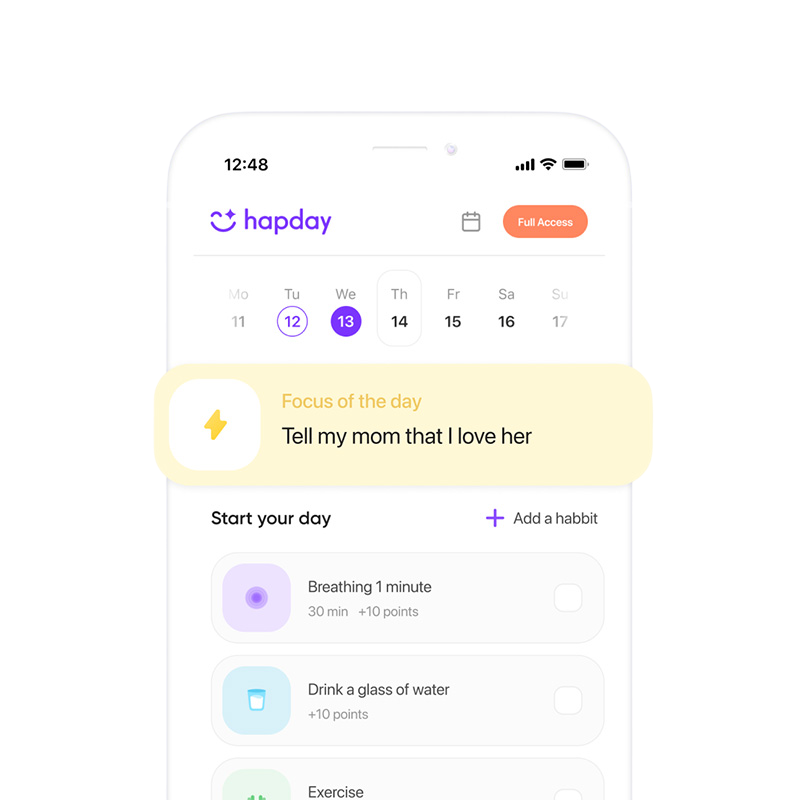
- Get a Planner: Keep it visible. Digital apps like Sunrise – ADHD Coach can be invaluable too.
- Color Coding: Differentiate tasks by priority with distinct colors.
- Sunday Reviews: Evaluate the upcoming week to mentally gear up.
Align Routines with Passions
ADHD individuals find passion a potent motivator. Binding tedious tasks to personal interests can inject fun into the mundane.
Why It Works:
Hyperfocus, an ADHD trait, allows deep immersion in appealing subjects. University of Michigan research shows integrating interests activates the reward center, making productivity feel less like a chore.
Tips to Implement:
- Infuse Tasks with Joy: Listen to music you love during work.
- Gamify Your Day: Turn tasks into challenges with a points system.
- Reward Yourself: Treat accomplishments with deserved rewards.
Simplify Your Environment
A messy space can magnify a cluttered mind. Streamlining your surroundings can foster a productive atmosphere.
The Science Behind It:
Princeton University revealed clutter competes for attention, reducing output and heightening stress. A minimalist environment supports cognitive clarity.
How to Start:
- Daily Declutter: Spend a few moments tidying each day.
- Designate Zones: Create distinct areas for work, rest, and hobbies.
- Remove Distractions: Turn off devices when focusing.
Regular Exercise
You might wonder how physical activity ties in, but it’s a game-changer.
“Exercise clears everything up,” declares Rahul, an ADHD-affected graduate.
— Rahul, Graduate Student
Scientific Backdrop:
Exercise stimulates chemicals enhancing memory and executive function. The American Psychiatric Association notes physical activity lifts focus and mood via endorphins and serotonin.
Getting Into It:
- Fixed Schedules: Opt for consistent times, such as morning jogs.
- Start Light: Brief sessions leading to more intense workouts.
- Choose Fun Activities: Engage in enjoyable activities—dance, cycle, or hit yoga mats.
Accountability: Not All Tasks Are Solo Endeavors
Sharing the responsibility with someone else can simplify things and keep you on track.
Why It Helps:
Accountability thrives on social motivation. Knowing someone else is watching can heighten commitment.
Strategies to Apply:
- The Buddy System: Partner up with someone sharing goals.
- Regular Check-Ins: Schedule to discuss progress.
- Celebrate Together: Acknowledge successes together.
Encourage Open Conversations on Your Journey
Discussing ADHD shouldn’t isolate you. Supportive discourse can offer insight and encouragement.
The Impact:
Dialogue dismantles stigma, builds community, and opens doors to swapping tips. This understanding sparks empathy, a strong motivator for perseverance.
Steps Forward:
- Join Groups: Seek out ADHD-focused online or local gatherings.
- Share Challenges and Wins: Be upfront about struggles; celebrate triumphs.
- Engage in Therapies: Cognitive behavioral or talk therapy offers powerful coping mechanisms.
Into the Green: Routines as Pathways to Peace
Routines aren’t about rigid scheduling but creating spaces where you flourish. The ultimate aim is to cultivate balance, leverage strengths, and reduce overwhelm.
Living with ADHD isn’t about succumbing to chaos; it’s about discovering innovative, personalized paths to navigate life. As you chart your productivity journey, remember you’re not traversing alone—the transformation of your daily life is within your grasp.
If you’re ready to embrace tailor-made routines, explore Sunrise – ADHD Coach: habit-tracking, focus tools, and AI-powered planning are just a click away. Check it out here.
The Bottom Line
Finding strength in routines can make a significant difference for those living with ADHD. By embracing tailored strategies that resonate with your unique needs, you can foster an environment of productivity and peace in your daily life.
References:
- Centers for Disease Control and Prevention. ADHD Statistics. Access at: https://www.cdc.gov/ncbddd/adhd/data.html
- Harvard Health Publishing. Benefits of Exercise. Find at: https://www.health.harvard.edu/mind-and-mood/the-brain-benefits-of-exercise
- American Psychiatric Association. Physical Activity & Mind. Retrieved from: https://www.psychiatry.org/patients-families/physical-activity-and-mental-health