




Table of Contents
- Understanding Your Mind’s Unique Wiring
- The Gift of Structure
- Mindfulness and the ADHD Brain
- Creative Expression as a Therapeutic Outlet
- Community Connection
- Empowering Nutrition and Exercise
- Setting Boundaries to Preserve Mental Wellness
- Embrace the Journey
On a crisp fall morning in Brooklyn, Sam found themselves lost in a familiar maze—trapped by the buzzing crescendo of unanswered emails and the looming specter of an unfinished project deadline. For Sam, living with Attention Deficit Hyperactivity Disorder (ADHD) means confronting a daily whirlwind of thoughts and emotions—a feeling of being too much yet not enough. If you’ve ever walked in Sam’s shoes, you’ll know the urgent need for strategies that nurture mental wellness.
ADHD isn’t simply about hyperactive schoolchildren or cluttered workspaces—it’s an intricate neurodevelopmental condition that affects adults’ lives just as profoundly. In the United States alone, estimates indicate that approximately 8 million adults live with ADHD. The National Institute of Mental Health reports that about 4.4% of U.S. adults grapple with ADHD regularly. For those who suspect or know they have ADHD, contending with daily tasks can sometimes feel as arduous as climbing Everest. Yet, thankfully, there are tailored self-care practices to elevate flourishing over mere survival.
Understanding Your Mind’s Unique Wiring
Ever been chided for “daydreaming” or told to “focus more”? It’s disheartening. But recognizing neurodiversity is crucial.
“ADHD isn’t a deficit; it’s a distinct attention style. Embracing this can foster profound self-compassion.”
— Dr. Sarah Chen, NYU
Why It Works
Scientific studies have linked ADHD to unique brain wiring, resulting in lower dopamine—a neurotransmitter essential for attention and motivation. When we perceive ADHD as a diversity rather than a deficiency, it becomes simpler to adapt tools truly beneficial. You’re not cramming into a neurotypical mold anymore.
The Gift of Structure
Maya, 28, was not prepared for her ADHD to inflame the chaos during her divorce. “It felt like everything was precarious,” she confessed. Yet, through creating a structured routine, she found sanctuary amidst the storm.
Why It Works
Structure curbs uncertainty for ADHD minds. Research by Dr. Carol Dweck from Stanford on mindset highlights that setting clear goals prevents overwhelm and allows steady progress. Even just knowing what’s next can tamp down anxiety, offering the stability ADHD minds crave.
How To Set It Up
- Establish morning and evening routines: Regular wake and sleep times regulate your body clock.
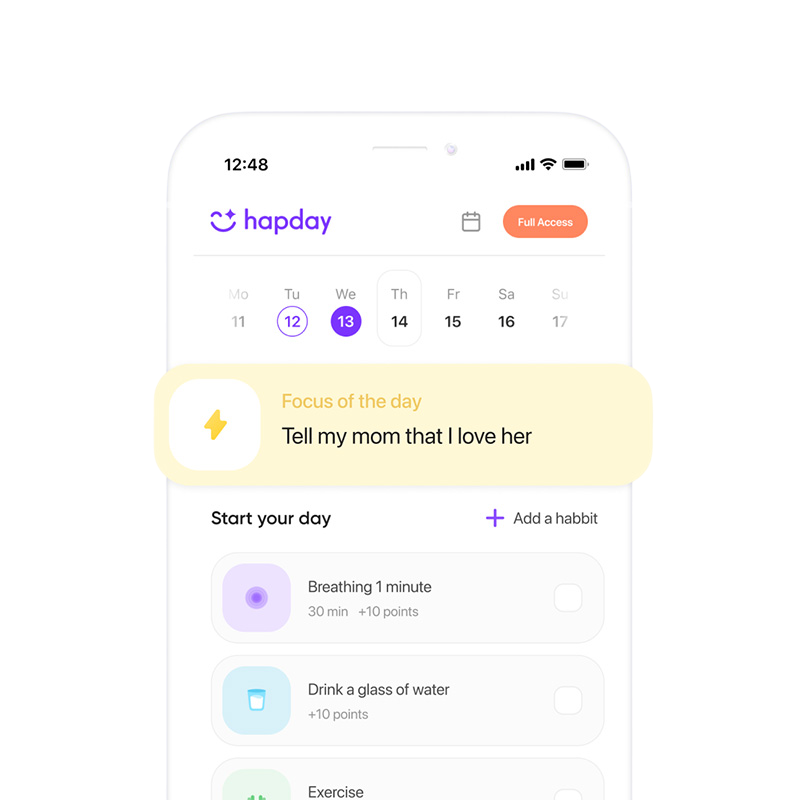
- Digital planners and reminders: Use apps that gently nudge you—Sunrise is a popular choice.
- Chunk tasks: Breaking tasks into smaller, manageable pieces guides a structured pathway to completion.
Mindfulness and the ADHD Brain
Think mindfulness means sitting silently cross-legged? It’s much more. Consider guided imagery or sensory walks fully engaging with the present moment.
Why It Works
For wandering minds, mindfulness offers grounding. Dr. Lidia Zylowska notes mindfulness’s distinct utility for ADHD, enhancing focus and reducing impulsivity. A Journal of Attention Disorders study showed notable benefits post-mindfulness intervention for ADHD adults.
How To Start
- Guided meditations: Use apps with sensory inputs specifically for ADHD.
- Breathing exercises: Simple deep-breathing techniques anchor the mind to the body.
- Accept distractions: Gently guide your attention back without judgment.
Creative Expression as a Therapeutic Outlet
Remember being so immersed in a book or craft that time vanished? That’s ‘flow’. It’s a potent tool for focus and self-expression. Engaging creatively has a calming, centering effect on ADHD minds.
Why It Works
Creativity enhances dopamine, facilitating wordless self-expression. Dr. Samantha Davis from MIT argues arts engagement acts as an emotional release, a means to organize internal chaos.
How To Cultivate It
- Journaling: Free-write daily to explore and articulate inner thoughts.
- Art and music: Dedicate weekly time to painting, crafting, or playing an instrument.
- Movement: Dance or yoga blends physical and mental stimulation for holistic wellness.
Community Connection
ADHD can feel isolating. Misunderstood, underestimated—connecting with a community shifts everything.
Why It Works
Inherently social, human beings thrive on community for validation and empathy. ADHD support groups not only provide understanding but share practical insights from fellow navigators. Harvard’s Center on the Developing Child says social bonds stimulate emotion and reduce stress.
How To Connect
- Join support groups: Seek local meetups or virtual platforms like ADAA.
- Engage with virtual groups: Platforms like Reddit’s ADHD board offer around-the-clock idea exchanges.
Empowering Nutrition and Exercise
Food and exercise fuel the mind and regulate energy dips typical of ADHD.
Why It Works
A diet rich in omega-3s paired with regular exercise augments brain health. Harvard Health Blog highlights exercise’s endorphin release, boosting mood and focus. Foods high in essential nutrients support cognitive function.
How To Implement
- Dietary journal: Track foods’ impacts on energy and focus.
- Short exercise bursts: Opt for 10-minute spurts if longer workouts are daunting.
- Stay hydrated: Dehydration worsens symptoms—keep water handy, set reminders.
Setting Boundaries to Preserve Mental Wellness
In a world that demands attention, setting boundaries preserves vital mental resources. Sam from our opening found comfort in saying ‘no’ guilt-free.
Why It Works
Boundaries prevent burnout, letting you prioritize self-care. Psychotherapist Dr. Jean Smith advises setting limits to communicate needs clearly, reducing stress and thwarting resentment. It’s choosing well-being over perfection.
How To Put Them In Place
- Spot overwhelm points: Reflect on usual energy drains, limit exposure.
- Communicate assertively: Use gentle yet firm language to mark personal space.
- Plan downtime: Treat rest plans as crucial meetings with yourself.
Embrace the Journey
Self-care isn’t about molding into societal productivity norms; it’s finding resonance with your unique mind. Each practice builds a life where ADHD enriches—not hinders—your well-being. As complex as ADHD is, knowing you’re not alone can be liberating.
Acknowledging your brain’s intricacies allows crafting self-care that nurtures, not pressures, engaging you with world authentically and fulfillingly.
Key Takeaways
- Embrace neurodiversity as a strength rather than a deficiency.
- Structure and routine provide needed stability for ADHD minds.
- Mindfulness practices can significantly enhance focus and emotional regulation.
- Creative outlets serve as effective tools for self-expression and emotional health.
- Building community connections fosters validation and support in the ADHD journey.
The Bottom Line
Each person’s experience with ADHD is unique, and personalizing your self-care practices can lead to significant improvements in mental wellness. Recognizing your individual needs and strengths can empower you to thrive.
Feeling enthusiastic to tailor your ADHD self-care routine? Try the Sunrise – ADHD Coach app for a personalized wellness step. It offers habit tracking, focus tools, and AI-powered daily planning—perfect for the ADHD brain.
REFERENCES:
- National Institute of Mental Health
- Journal of Attention Disorders
- Harvard University
- Harvard Health Blog
- Anxiety and Depression Association of America