





Table of Contents
- The ADHD Brain: A Unique Symphony
- Carving Out Focus
- Mindfulness and Melting Stress
- Feeding the ADHD Brain
- Technological Allies
- Support Systems: Not a Lone Battle
- Cultivating Movement
- The Art of Rest
- Shaping a Future-Focused Outlook
- Hope on the Horizon
Key Takeaways
- Understanding the unique structure of the ADHD brain helps tailor focus strategies.
- Cultivating a purposeful environment and organizing tasks can greatly enhance concentration.
- Mindfulness practices can help reset focus and reduce stress levels.
- Nutrition and exercise play crucial roles in optimizing brain function for those with ADHD.
- Building a supportive community can provide accountability and shared wisdom.
Picture this: you’re settled at your desk, the morning light streaming through, a fresh to-do list before you. Yet somehow — despite the clock anxiously ticking away — you’re caught in a whirlpool of TikTok diversions, meandering chores, and a flurry of thoughts. For those bearing the weight of Attention Deficit Hyperactivity Disorder (ADHD), this scene plays out with familiar regularity. Maintaining focus sometimes feels akin to juggling flaming torches on a unicycle in a storm. But here’s the good news: enhancing your ability to focus is not only possible but within reach. Think of this as your map, the starting point of a journey to harness your ADHD for daily triumph.
Life with ADHD isn’t just about understanding your brain’s quirks; it’s about embracing them — turning what seems like chaos into an unexpected ally. Whether you’re newly diagnosed or grappling with the suspicion, one thing’s certain: you’re not alone on this path. Countless others have walked it, many thriving amid what once seemed insurmountable.
“ADHD shouldn’t block success. It’s about harmony. The more you understand your own mental rhythms, the better you can dance with them.”
— Dr. Sarah Chen, Clinical Psychologist at NYU
The ADHD Brain: A Unique Symphony
Before diving into the art of focus, it’s crucial to get to grips with why our ADHD brains march to a different beat. Structurally, they diverge — regions responsible for focus and reward act distinctively. Chemical mismatches? Indeed. Dopamine and norepinephrine levels fluctuate differently, influencing attention. Does this signify a flaw? Hardly. It merely translates to a differently wired brain, one that perceives the world through its own kaleidoscope.
A 2021 study from the National Institutes of Health reveals alterations within the prefrontal cortex — integral for decision-making and personality. Hence, tasks demanding extended attention often feel like scaling Everest, minus the sherpa.
Carving Out Focus
Cultivating a Purposeful Environment
Step into a space where each item is deliberate — almost Feng Shui for the mind. This kind of environment champions focus. It’s about curating surroundings that empower rather than divert.
Why it Works: An ADHD mind reacts intensely to its physical setting. A cluttered desk bewilders, whereas simplicity helps crystallize concentration.
How to Do It: Begin by decluttering. Embrace tools like noise-cancelling headphones to hush auditory distractions. Minimize visual stimuli; organize with closed storage where feasible.
Time-Blocking and Tackling Tasks
Time — slippery and elastic — often evades those with ADHD. Two-hour jobs can stretch all day. How to rein it in? Time-blocking, paired with micro-tasking.
Why it Works: Shattering tasks into digestible bites satisfies the brain’s reward circuitry. Each mini-task completion releases dopamine, igniting satisfaction and motivation.
How to Do It: Deploy timers to segment tasks into 20- to 30-minute intervals, linked by brief respites. Sketch out precise to-dos, assigning each its slot. Pomodoro apps can prove invaluable.
Mindfulness and Melting Stress
When focus wanes, your brain might be relaying distress signals. Enter mindfulness — a tool not just for yogis, but for realigning attention.
Why it Works: Mindfulness trains the ADHD brain to self-correct distractions. The American Psychological Association states this can sharpen attention and executive functions — often areas of contention for ADHD folks.
How to Do It: Integrate short meditations into your day. Platforms like Headspace offer ADHD-specific practices. Simple exercises like deep breathing can rejuvenate between tasks.
Feeding the ADHD Brain
Brains need fuel, particularly ADHD ones. Optimal nutrients can supercharge focus and function.
Why it Works: A study from The Lancet in 2021 ties nutrient deficiencies like omega-3 shortfalls to ADHD manifestations. Nourishing your mind optimally boosts neurotransmitter productivity — the bedrock of attention.
How to Do It: Embed omega-3 sources such as salmon or walnuts into your diet. Steer clear of sugary binges, which snake energy levels. Favor protein-laden snacks to stabilize blood sugar.
Technological Allies
In our digital era, tech can be adversary or ally. Opt for the latter when seeking structure and focus.
Why it Works: ADHD-tailored tech frameworks offer organization traditional means can’t. Digital tools can guide with reminders, habit formations, and task management.
How to Do It: Consider Trello or Todoist for visually organizing tasks. Set time reminders; incorporate apps like Forest to gamify phone abstinence. Technology can scaffold focus-enhancing behaviors with routine reminders and incentives.
Support Systems: Not a Lone Battle
Take Maya, 28 — amid a tumultuous divorce, her ADHD spiraled. But support networks proffered solace. Allies and accountability mates can banish isolation, introducing shared wisdom.
Why it Works: Social scaffolds are crucial for ADHD navigation. Empathy from those familiar with your battles can thrust fresh strategies your way and bolster emotional resilience.
How to Do It: Get involved in ADHD communities, local or digital. Reddit hosts vibrant groups sharing tales and solutions. For structured reinforcement, ADHD coaching is worth exploring, providing bespoke tactics and guidance.
Cultivating Movement
Exercise isn’t just gym talk; it plays a pivotal cognitive role for ADHD brains. Physical activity can revolutionize focus.
Why it Works: Exercise elevates dopamine and norepinephrine, mitigating impulsivity and heightening attention, as backed by Harvard Health’s research.
How to Do It: Commit to regular physical practices like yoga or cycling. Mini exercise bursts, even desk dances, can work wonders.
The Art of Rest
Sleep—an oft-neglected realm for ADHD adults. Yet laissez-faire attitudes towards rest can backfire, hampering brain function.
Why it Works: Sleep replenishes neurotransmitter stores and enhances cognitive recovery processes.
How to Do It: Establish evening routines featuring calming activities, sans electronics. Consider reading or meditation to welcome sleep.
Shaping a Future-Focused Outlook
Recasting ADHD not as a limitation but an asset can metamorphose daily barriers. What if hurdles became victories? Acknowledge achievements, no matter how petite.
Why it Works: Positivity cements encouraging behaviors, establishing a virtuous cycle. Recognize progress to fortify morale and future triumphs.
How to Do It: Journal daily to record moments of focus. Celebrate each small win, contemplating elements driving success. This habit can reshape ADHD perceptions into empowerment narratives.
Hope on the Horizon
These strategies aren’t just tips; they offer momentum. Master ADHD through awareness, adaptation, and appreciation of distinct strengths. This path doesn’t promise overnight results; it’s more a journey of discovery. But you’re not alone.
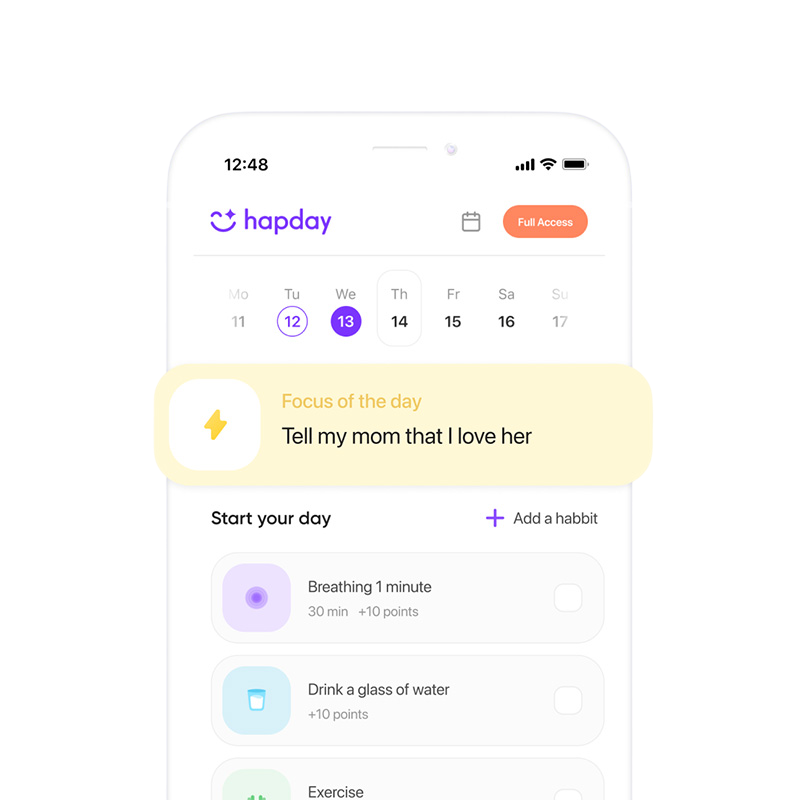
If seeking empowering tools, look to Sunrise – ADHD Coach. It’s an app combining habit trackers, focus aids, and AI-guided planning tailored for ADHD minds. Deploy it as a catalyst for success.
The Bottom Line
Tackling ADHD focus means comprehending your brain and employing syncopated strategies. Craft tailored environments, embrace technology, nurture supportive networks, and practice mindfulness. Remember, your story is in your hands. With tools like Sunrise – ADHD Coach, the horizon is yours.