





Table of Contents
- Understanding ADHD and Routine
- The Power of Personalization
- Creating Your Routine Framework
- Overcoming Common ADHD Routine Challenges
- Real-World Adaptations
- Mindset: The Heartbeat of Routine
- Digital Tools for Productivity Boost
- Looking Ahead with Resilience
Understanding ADHD and Routine
Living with ADHD might feel like being tethered to a whirlwind of thoughts and urges. But establishing and adhering to a routine can tame that chaos. The American Psychological Association (APA) touts structured routines as potent tools to ease the cognitive load, enabling clarity amidst the clamor.
“People with ADHD often grapple with a spectrum of cognitive challenges.”
— Dr. Sarah Chen, Clinical Psychologist at NYU
Dr. Edward Hallowell, a noted ADHD expert, notes that routines are like “external structures that can substitute for the underdeveloped internal systems typically associated with ADHD.”
The Power of Personalization
Take Maya, 28 — post-divorce last year, her ADHD symptoms spiked. “Suddenly, everything was too much — my life felt off-beat,” she confides. Crafting routines that matched her strengths and addressed her vulnerabilities brought solace. This personal touch is vital because what fits one person might not fit another.
Why It Works: Personalization leverages ADHD’s hyperfocus trait — the knack for intense concentration on tasks or interests. By structuring your routine around these, you harness that focus powerfully.
Tailoring Your Routine:
- Spot Your Peaks: Track energy highs and lows each day. Reserve those alert windows for focus-intensive tasks.
- Build in Flexibility: Routines need breathing room for spontaneity. Rigid plans can crumble under real-life unpredictability.
- Anchor in Interests: Root routines in your passions. It fuels motivation and makes tasks engaging.
Creating Your Routine Framework
Picture your routine as both an anchor and a springboard: steadying your day with predictability while propelling you toward goals.
Why It Works: Predictability boosts brain function and focus. The National Institute of Mental Health underscores that stable routines help lessen ADHD symptoms by reducing unexpected disruptions.
Building Your Daily Groove:
- Morning Rituals: Rise and shine consistently. Start with spirit-lifting practices, like journaling or a gentle jog.
- Task Bundling: Cluster similar tasks to maintain momentum and reduce transition hiccups.
- Time Slicing: Assign precise time blocks for activities. Use visual planners like Trello or Google Calendar for color-coded guidance.
- Mindful Breathers: Break for brief recharge sessions — try the Pomodoro Technique with 25 minutes focused work followed by a 5-minute break.
Overcoming Common ADHD Routine Challenges
Even the best-laid plans can go astray. Anticipating hiccups is half the battle.
Typical Hurdles:
- Over-schedule Syndrome: Cramming too much into your day spells burnout.
- Perfection Pressure: Seeking the “perfect” routine may stall action.
- Routine Rut: Monotony can stifle the novelty-craving ADHD mind.
Navigating Around Them:
- Prioritize Savvy: Pinpoint essential tasks. The Eisenhower Box — separating urgent from important — is a handy method.
- Embrace Flaws: Some days derail. That’s life. Refine expectations.
- Spice Things Up: Revise routines periodically, adding fresh elements. Even workspace tweaks can reinvigorate.
Real-World Adaptations
John, 35, juggles his fast-paced software developer role with ADHD management. “Hitting my sweet spot took time, but now routines are my strength,” he observes. John employs visual aids like whiteboards for task tracking and digital nudges for recurring duties — staying top-of-mind without overload.
Why It Works: Visual cues and alerts act as external nudges, lessening internal mental juggling and spotlighting priorities.
Mindset: The Heartbeat of Routine
Beyond practicalities, the right mindset toward routines can truly transform.
“It shifts the narrative.”
— Dr. Lara Honos-Webb, Clinical Psychologist
Mindset Mastery:
- Reframe Bumps: Treat disruptions as growth opportunities, not failures.
- Celebrate Steps: Recognize small victories; they fuel momentum and reinforce positivity.
- Practice Kindness: Handle yourself gently; ADHD wiring isn’t a flaw but a different design.
Digital Tools for Productivity Boost
In our tech-driven age, digital apps amplify ADHD productivity by reinforcing structured routines.
Why It Works: Tech tools offer reminders, track habits, and aid task and goal management, conserving mental energy.
App Arsenal:
- Asana or Trello for organization
- Forest for work focus
- Headspace to weave in mindfulness and stress relief
Looking Ahead with Resilience
Crafting routines for ADHD isn’t instantaneous. It’s a journey — iterative and enlightening. Each step toward structure brings a victory, enhancing control and achievement. By molding routines to fit your distinct attributes and strengths, chaos morphs into a productivity and purpose catalyst.
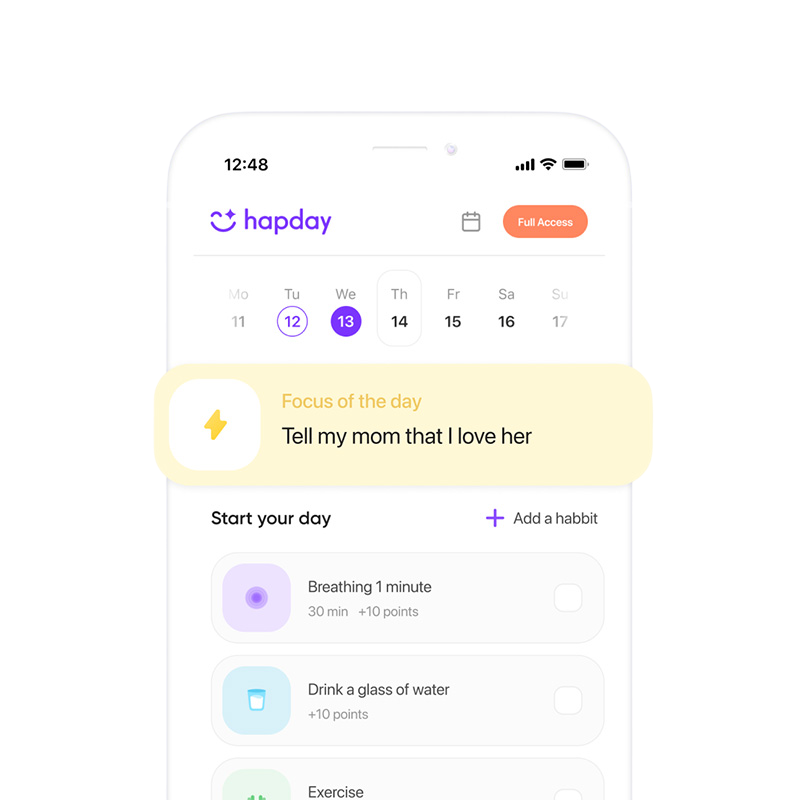
Remember, routines can transcend mere schedules. They become bastions of strength and stability in an ADHD-touched world. If seeking a companion tool for routine building, consider the Sunset app — designed to track habits, focus efforts, and aid daily management. Begin your path to more structured, gratifying living today.
Key Takeaways
- Understanding tailored routines can mitigate ADHD symptoms and boost productivity.
- Personalization leverages ADHD’s hyperfocus, making routines more engaging and effective.
- Mindset shifts toward seeing routines as empowering choices can enhance adherence and motivation.
- Digital tools can support and reinforce daily routines, managing tasks effectively.
The Bottom Line
Crafting effective daily routines can empower those with ADHD, creating clarity and enhancing productivity. By personalizing your approach and harnessing the right mindset, you can transform chaos into meaningful progress.