





Table of Contents
- The Emotional Underpinnings of ADHD
- Why Emotional Wellness Matters More Than You Think
- Assembling Your Emotional Wellness Toolkit
- 1. Embracing Mindfulness
- 2. Physical Activity As Emotional Boost
- 3. Nourishment for Body and Soul
- 4. Finding Solace in Expression
- 5. Sleeping Soundly: A Vital Wellness Ingredient
- Seeking Professional Guidance and Community Anchoring
- Progress Over Perfection
- In Conclusion
- References
Key Takeaways
- Emotional regulation is a crucial aspect of managing ADHD.
- Daily practices like mindfulness and exercise can greatly enhance emotional wellness.
- Nutrition plays a vital role in mood regulation for individuals with ADHD.
- Creative expression can serve as an effective emotional outlet.
- Professional support and community connection are invaluable for mental health.
The Emotional Underpinnings of ADHD
Emotions are often the uninvited guest in ADHD’s unpredictable symphony.
“Emotions are felt more intensely by those with ADHD.”
— Dr. Edward Hallowell, Psychiatrist
It’s not that you’re “overly emotional.” It’s like living in a different calibration—one where emotional regulation poses its unique hurdles. But understanding this difference provides some solace. The prefrontal cortex in an ADHD brain functions differently, according to a number of studies. Recognizing this neurological distinction offers direction in managing these intense emotions.
Why Emotional Wellness Matters More Than You Think
But why focus on emotional wellness? Quite simply, it affects everything: your mental and physical health, relationships, even life satisfaction.
“Emotional dysregulation is a core element of ADHD, significantly shaping life outcomes.”
— Russell Barkley, Psychologist
Addressing this isn’t just beneficial—it’s essential for overall mental well-being. Who doesn’t want a life that feels a bit less overwhelming?
Assembling Your Emotional Wellness Toolkit
Incorporating strategies tailor-made for emotional regulation can profoundly impact how you navigate life. Let’s explore some approaches to enriching emotional wellness daily.
1. Embracing Mindfulness
Yes, mindfulness might seem like the catchphrase du jour, but its powers are real. Take for instance, Maya, a digital marketer in her late twenties who navigated a rough divorce. Her discovery? A five-minute morning mindfulness practice that anchored her stormy emotions.
“Mindfulness widens the gap between impulse and action, promoting thoughtful reactions.”
— Stephanie Sarkis, Ph.D.
Why? Neuroplasticity. Mindfulness can reshape the brain, leading to better emotional regulation.
2. Physical Activity As Emotional Boost
We’ve all heard it—exercise lifts your mood. And for ADHD, physical activity also comes with the added bonus of enhancing serotonin production, enhancing mood regulation.
For Maya, even short, dynamic activities like a brisk walk or a spontaneous dance break proved transformative.
- Select activities you relish, lowering mental barriers.
- Treat workouts like important meetings—be consistent.
- Vary your routine. Flexibility is freeing!
3. Nourishment for Body and Soul
What you eat can shape how you feel. Nutrients in food help the brain regulate essential neurotransmitters affecting mood. Limiting simple carbohydrates and sugars can prevent emotional turbulence—as too many spikes aren’t helpful.
- Include high-protein foods for long-lasting energy.
- Keep hydrated; aim for 8 cups of water daily.
- Caffeine and sugar might crank up the emotional rollercoaster—consider moderation.
4. Finding Solace in Expression
Ever consider journaling or art as emotional outlets? These creative endeavors act as non-verbal vehicles to handle complex emotions. The Journal of Behavioral Health Services & Research acknowledges their positive emotional impacts.
- Keep a judgment-free journal.
- Join local art classes or grab an adult coloring book.
- Use music as a medium—listen, create, or play what resonates.
5. Sleeping Soundly: A Vital Wellness Ingredient
ADHD often dances with sleep challenges, yet good sleep remains essential for emotional wellness. A structured sleep routine could unlock profound emotional benefits.
- Develop a bedtime ritual; steering clear of screens an hour before bed helps.
- Experiment with melatonin or bedtime teas.
- Maintain a sleep schedule—yes, even on weekends.
Seeking Professional Guidance and Community Anchoring
ADHD’s journey can be taxing, making professional support invaluable. Therapists with ADHD expertise can tailor cognitive-behavioral therapy (CBT) for emotional dysregulation.
“Therapy offers customized tools, ensuring enduring efficacy.”
— Dr. Sarah Chen, Clinical Psychologist
Moreover, anchoring yourself in a compassionate community—online or offline—offers substantial benefits. Emotional validation and practical advice from those who understand first-hand are irreplaceable.
Progress Over Perfection
Boosting emotional wellness isn’t about perfecting it—it’s about embracing meaningful, incremental change. Every step forward, no matter how small, counts. When emotional wellness holds priority, its effects ripple throughout your life. Imagine a future where, despite the intensity of your emotions, strategic grounding keeps you steady. The right tools and support make this vision absolutely attainable.
In Conclusion
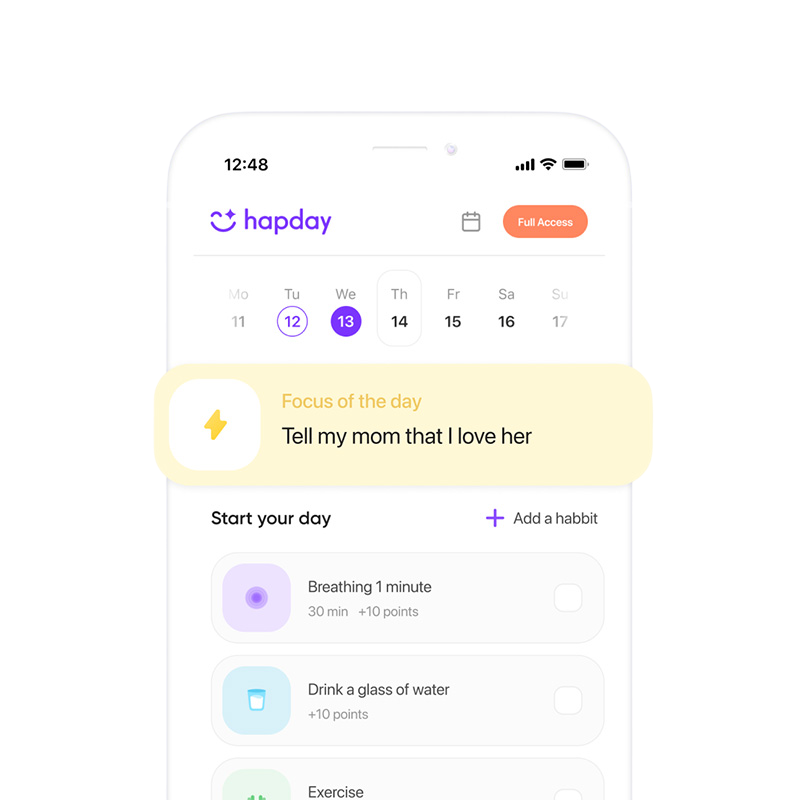
Cultivating a daily regime focused on ADHD emotional wellness requires a comprehensive strategy: mindfulness practice, exercise, proper nourishment, creative expression, and quality sleep. Combining these with professional help paints a brighter emotional horizon. If you’re wondering where to start, consider leveraging technology like the Sunrise – ADHD Coach app, which offers personalized habit tracking, focus aids, and planning tools tailored to enhance your emotional wellness journey.
References
For further reading and understanding, please visit:
- American Psychological Association
- Harvard Health Publishing
- Mayo Clinic
- National Institutes of Health
- Centers for Disease Control and Prevention
The Bottom Line
Fostering emotional wellness in your daily life as a person with ADHD is not only achievable but essential. With the combination of mindfulness, physical activity, proper nutrition, creative expression, and quality sleep, you can create a solid foundation for a more balanced and fulfilling life.