





Let’s set the scene: You’re seated at your desk, a sprawling to-do list in front of you. You’re charging ahead, eager even, but then—the list looms dauntingly long, and suddenly, you’re submerged in that all-too-familiar tide of overwhelm. Minutes slip into hours, and somehow, another day melts away, just gone. Sound familiar? If you’ve got ADHD, this passage of time might pluck at a painfully common thread for you.
ADHD—Attention Deficit Hyperactivity Disorder—is often sensationalized at the ends of extremes. It’s either an electrifying burst of synaptic energy or an incapacitating lack of focus. But what about the subtler battles? Those ones where intent seems imprisoned by an invisible barricade of inaction? It’s more than mere forgetfulness; it’s a chaotic interplay of attention, distraction, and emotional control. So, what’s the secret to unlocking productivity for those living with ADHD?
The first step is simple yet profound: empathy—and understanding the distinct neurological wiring that shapes the ADHD mind. Picture this: In 2021, the CDC estimated that about 4.4% of adults in the U.S. live with diagnosed ADHD. Imagine how many more wander undiagnosed. But here’s a twist: With the right tools, you can turn those unique brain patterns into a source of power, not turmoil.
Table of Contents
- Understanding the ADHD Brain
- Strategy 1: Structured Flexibility
- Strategy 2: The Power of Micro-goals
- Strategy 3: Mindful Transitions
- Strategy 4: Environment Enrichment
- Strategy 5: Harnessing Hyperfocus
- The Role of Technology
- Nutritional Power-ups
- Personal Reflection & Journaling
- Conclusion: Embrace Your Unique Path
Key Takeaways
- Understanding the unique neurological wiring of the ADHD brain can enhance productivity.
- Structured flexibility and micro-goals can transform overwhelming tasks into manageable steps.
- Mindful transitions and environmental enrichment foster better focus.
- Leverage hyperfocus intentionally while incorporating supportive technology.
- Balanced nutrition and self-reflection are key components to maintaining productivity.
Understanding the ADHD Brain
Before you can conquer productivity hurdles, it’s essential to unravel the peculiarities of the ADHD brain.
“ADHD often involves a dopamine deficiency, which affects motivation and reward pathways.”
— Dr. Sarah Chen, Clinical Psychologist
This doesn’t reflect a lack of determination; it’s about having different neurological appetites compared to others.
This dopamine gap influences classic ADHD traits—sustaining attention spells difficulty, impulsivity sneaks in, and hyperactivity rides shotgun. But, flipping this coin tells another story: opportunities for enhanced creativity and out-of-the-box thinking emerge. The goal? Work alongside your brain’s habitual groove.
Strategy 1: Structured Flexibility
For someone managing ADHD, rigid routines can feel more like a chokehold than an aid, yet having no framework at all can lead tasks to untangle chaotically. Enter structured flexibility—a concept offering support blended with latitude. It’s akin to a firm, stretchable net for catching your mental leaps.
Why not flirt with time-blocking? Color-coded calendars might just become your best friend. ADHD coach
“Using vibrantly distinct colors: red for urgency, blue when diving into creative depths, and green for nurturing self-care.”
— Dr. John Decarie, ADHD Coach
suggests doing just that. Visual cues spark memory and smooth transitions, transforming chaos into a navigable map.
Strategy 2: The Power of Micro-goals
Breaking tasks down into bite-sized, digestible portions might sound simplistic, yet it can be a revelation. Consider Maya’s journey—28-years-old, grappling with both graduate school demands and the upheaval of divorce. Micro-goals became her savior. Instead of conquering an entire chapter, she’d aim for just a few pages. Instead of organizing her cluttered apartment, she’d only tidy her desk.
But why does this actually work? A piece from Harvard Medical School notes how achieving these miniature targets releases dopamine in small hits—paving the way for a satisfying cycle of completing tasks. This technique turns each step into a mini-celebration for your brain.
Strategy 3: Mindful Transitions
switching gears between tasks can feel like abruptly shifting lanes on a busy highway, overwhelming at its best. How to ease this? Enter the practice of mindful transitions. This involves a simple pause—for breath, for acknowledgment of the changeover point.
In the throes of concentration, an interruption can feel akin to jolting out of a deep sleep. To manage this, set alarms ten minutes before transitions. Jot down your current focus and what’s next on the horizon. This process solidifies a narrative thread through your day, staving off that jarring sensation—what I like to call “brain-whiplash.”
Strategy 4: Environment Enrichment
When it comes to productivity, your environment plays the role of both ally and adversary. In clutter, your thoughts may mirror disorder; stripped-bare spaces might dull your eagerness. Balance is key: craft a setting that sparks engagement rather than exhaustion.
Consider Alex, a 32-year-old designer juggling life with ADHD. Her solution was clever—zoning her workspace. One corner devoted to brainstorming—teeming with sketchpads and vivid markers, another for task execution, wrapped in serene hues and minimalist design. Each zone stimulated different work modes, capitalizing on her mind’s flexibility.
Strategy 5: Harnessing Hyperfocus
Among ADHD’s mysteries is hyperfocus—a powerful, all-consuming concentration on one subject. While potentially advantageous, it easily diverts from other essential tasks. Instead of fighting hyperfocus, leverage it. Designate blocks of time for these deep-dive sessions—not as interruptions, but as intentional exercises in productivity.
Recognizing hyperfocus as a vital tool enables you to wield your brain’s natural musculature in your favor. Create “hyperfocus sessions” centered on specific projects, bounding their duration with a timer to keep other priorities on your radar.
The Role of Technology
Ah, technology—you either love it or… it runs you, doesn’t it? But ironically, it can also be a lifeline. The trick? Use it to support rather than sidetrack. There’s no need to berate your gadgets—just fold them into your routine mindfully.
Apps like Todoist or Trello come highly recommended, offering visual boards and reminders aplenty. Psychiatrist
“Game elements offer immediate feedback and rewards—a nudge through achievement-focused frameworks.”
— Dr. Emily Rosenthal, Psychiatrist
who specializes in ADHD, swears by apps that gamify.
Nutritional Power-ups
Never dismiss nourishment’s overlap with productivity. Balanced nutrition profoundly shapes energy and cognitive functioning.
“Omega-3 fatty acids alongside a protein-loaded breakfast can amplify concentration and uplift mood.”
— Leah Martinez, Holistic Nutritionist
Picture this: starting your day with Greek yogurt topped with nuts and berries, fostering stable blood sugar and consistent energy. And careful with caffeine—a hefty dose could rev up anxiety or hyperactivity.
Personal Reflection & Journaling
Sometimes, the clearest insights sprout from within. Journaling—a simple yet potent practice—redoubles self-discovery and regulation. Amidst ADHD’s symphonic dance, documenting your thoughts crystallizes clarity, frequently unearthing latent patterns or triggers.
Begin small—a couple of reflective sentences: What went smoothly? How did you feel? What might improve? This isn’t merely therapeutic; consider it a mental alignment ritual—synchronizing mood with thought.
Conclusion: Embrace Your Unique Path
Contending with ADHD is deep, labyrinthine, and punctuated by learning. Perhaps those battles with productivity have left you dispirited. Yet, reinterpreting ADHD as a navigational compass and not a limitation opens the door to vast possibilities.
As you embrace these paths, remember that chasing perfection is futile. It’s progress, however fleeting, that counts. Mold productivity into something that echoes your lived experience—because no blanket solution exists.
The Bottom Line
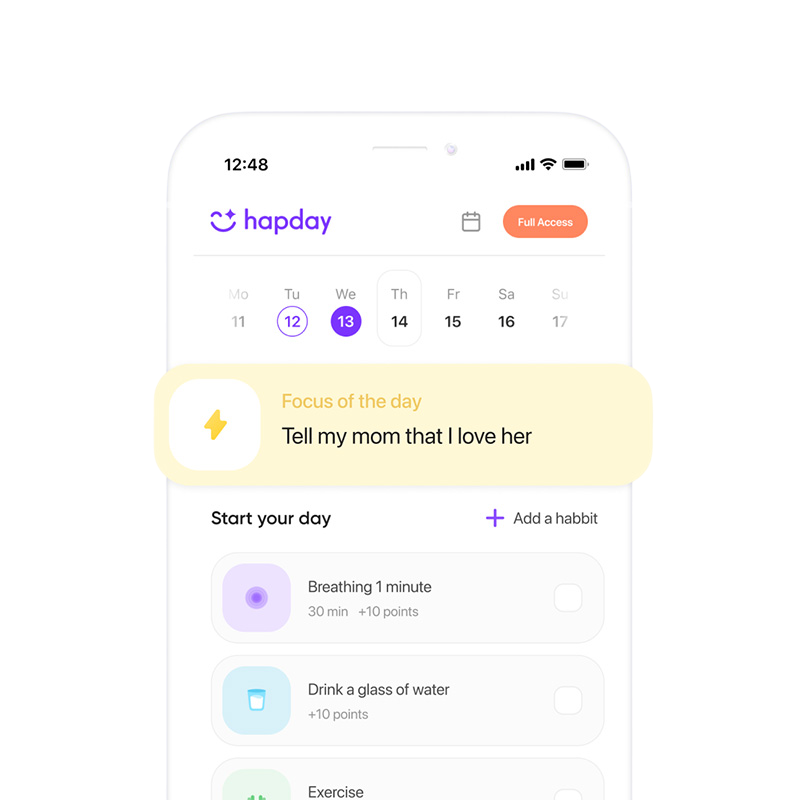
Empower your journey with Sunrise – ADHD Coach: Begin your metamorphosis with habits crafted for your ADHD rhythms—habit tracking, focus solutions, and AI-steered planning. Unveil your potential by exploring Sunrise today.
When productivity couples with empathy and creativity, a journey unfolds that rejoices in the ADHD mind’s robustness. Align purpose with curiosity, and the possibilities soar beyond bounds.
References
- Centers for Disease Control and Prevention (CDC)
- Harvard Medical School
- Mayo Clinic