





Table of Contents
- Understanding the ADHD Mind: More Than Just “Distracted”
- What Science Says About ADHD and Self-Care
- Building Your ADHD Focused Routine: Start Small, Dream Big
- The Morning Power-Up
- Mindful Moment Practice
- Chunk Your Day: The Pomodoro Technique
- Emotional Self-Care: Navigate ADHD with Kindness
- Nutrition’s Role in Daily Wellness
- Technology: Friend or Foe?
- Building a Support System: Community and Camaraderie
- Resilience and Reflection: The Long Game
- Embrace Your ADHD: Let It Define You, But Not Limit You
- Ready to Empower Your ADHD Journey?
Key Takeaways
- ADHD is more than just a focus issue; it encompasses cognitive, emotional, and behavioral patterns.
- Exercise and mindfulness can significantly improve dopamine levels, aiding attention in those with ADHD.
- Flexible routines — like the Pomodoro Technique — can enhance productivity without overwhelming the ADHD mind.
- Emotional awareness and journaling provide clarity, aiding in stress management.
- Building a supportive community can enhance resilience and motivate those on the ADHD journey.
Understanding the ADHD Mind: More Than Just “Distracted”
For outsiders, ADHD might seem just a “focus issue,” but those living with it recognize a depth far beyond distraction. It’s a symphony of impulsivity, emotional peaks, and valleys.
“ADHD isn’t simply about attention deficits; it’s about cognitive, emotional, and behavioral patterns intertwined.”
— Dr. Sarah Chen, Clinical Psychologist at NYU
Grasping this truth leads to effective self-care strategies.
What Science Says About ADHD and Self-Care
Science has much to reveal about our wandering minds. From a neurobiological angle, ADHD brains often show low dopamine levels—key for reward and motivation. This deficit can make even simple tasks Herculean without strategic self-care. Interestingly, regular exercise and mindfulness-based stress reduction have been shown to naturally elevate dopamine (as stated by Mayo Clinic). Knowing this, isn’t it about time we rethink our strategies?
Building Your ADHD Focused Routine: Start Small, Dream Big
Contrary to popular belief, routines for ADHD don’t need to be ironclad. A bit of “flexible rigidity” goes a long way. Observe when you feel most focused and productive, suggests
“Find your power hours,”
— Dr. Jessica Lee, Specialist in ADHD
noting that personal productivity peaks are unique. Use these times for demanding tasks.
The Morning Power-Up
Priming your mind each morning can change everything. Consider starting with a short cardio session—why? Exercise combats inattentiveness tied to ADHD. A study from Harvard confirms that exercise boosts dopamine, aiding attention (Harvard Health Publishing).
Mindful Moment Practice
Before diving into tasks, take a mindfulness break. It’s not about emptying your mind—it’s acknowledging thoughts without judgment. Try a five-minute breathing exercise.
“Such practices not only center your thoughts but also reduce mental clutter, boosting focus.”
— Dr. Mark L. Goldstein, ADHD Researcher
Chunk Your Day: The Pomodoro Technique
Instead of enduring long sessions, break the day into short, focused bursts. The Pomodoro Technique, which splits tasks into 25-minute intervals with short breaks, fits ADHD minds perfectly. This method matches natural focus waves, reducing burnout while enhancing productivity. Use a timer app; it helps track time without obsessing over it.
Emotional Self-Care: Navigate ADHD with Kindness
ADHD can make emotions feel like a turbulent sea. So, emotional awareness becomes a cornerstone of self-care. Journaling—a reflection on thoughts—can offer clarity. A study from the APA indicates that expressive writing reduces stress by turning chaos into words (American Psychological Association).
Nutrition’s Role in Daily Wellness
Diet directly affects ADHD symptoms. Incorporating Omega-3 rich foods—like fish and walnuts—into meals is beneficial. Research by the National Institutes of Health links these nutrients to brain health (NIH). Meal prepping is a practical approach, averting impulsive eating spurred by inattention or emotional upheaval.
Technology: Friend or Foe?
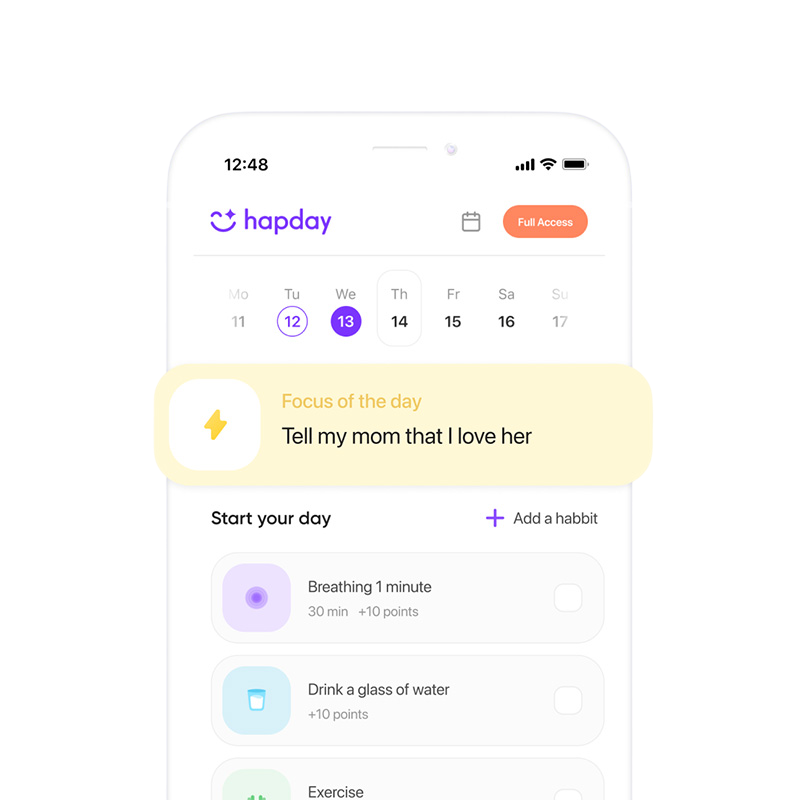
For ADHD minds, technology can cut both ways. Though distracting, it’s also organizing and focusing. Use apps designed with ADHD in mind to bring order to chaos. Track habits, manage to-dos, and plan effectively. Sunrise – ADHD Coach is an excellent tool for habit tracking and focus alignment.
Building a Support System: Community and Camaraderie
An often unseen structure supporting wellness routines is a robust community. Engaging with friends who understand or joining ADHD-focused support groups provides shared experiences and advice. As reported by the Journal of Attention Disorders, peer support can boost morale thanks to both accountability and empathy.
Resilience and Reflection: The Long Game
Remember, ADHD is a life journey, not a sprint. Practice self-compassion. Real-life demands can overwhelm—reflecting nightly on achievements fosters perspective. Celebrate small victories; they energize motivation.
Embrace Your ADHD: Let It Define You, But Not Limit You
Back to Samantha—the architect and dreamer. Her wellness journey with ADHD isn’t about flawless days. It’s embracing the ebb of her mental river. It’s understanding that focus is fluid, emotions are layered, and self-care is adaptable. Managing ADHD isn’t about being ‘normal’. It’s about shaping a life where your ADHD traits become strengths.
Ready to Empower Your ADHD Journey?
Feeling motivated to reshape your ADHD experience? Start by outlining your unique self-care roadmap. Remember, self-care isn’t a luxury—it’s essential. You deserve a routine that respects your identity and enhances your qualities.
Need guidance? Explore tools from Sunrise – ADHD Coach—offering habit tracking, focus improvement, and AI planning tailored for ADHD. Discover more here.
The Bottom Line
By intertwining practices founded on self-awareness, neuroscience, and community, daily wellness transforms from struggle to synergy, becoming a harmonious dance with ADHD.