




Table of Contents
- Understanding Emotional Turmoil in ADHD
- The ADHD Brain’s Emotional Labyrinth
- Ways to Harmonize Emotions Daily
- Embrace Mindfulness and Meditation
- Journaling as an Emotional Anchor
- Exercise: A Balm for the Mind
- Setting Boundaries—A Shield for Emotional Health
- Cognitive Behavioral Techniques: Reframing the Mind
- Final Musings
- The Bottom Line
Understanding Emotional Turmoil in ADHD
For those grappling with ADHD, the ability to manage emotions—a key life skill—is often elusive.
“ADHD can amplify emotions and lower frustration thresholds, where neurotypical individuals might maintain their composure.”
— Dr. Sarah Chen, Clinical Psychologist
The National Institutes of Health reinforces this, finding that 34-70% of adults with ADHD report emotional regulation challenges. This highlights the need for targeted strategies.
The ADHD Brain’s Emotional Labyrinth
The ADHD mind—a complex puzzle. A 2018 Harvard study draws connections to alterations in neurotransmitter systems, specifically dopamine and norepinephrine. These neurotransmitters, fundamental in emotional regulation, often stumble in their role, resulting in volatile moods. Irritations aren’t mere irritations; they’re seismic. Minor setbacks? They may feel like mountains. It’s like walking through an emotional minefield.
Ways to Harmonize Emotions Daily
So, how do you cultivate emotional serenity? Let’s explore strategies crafted with ADHD in mind.
1. Embrace Mindfulness and Meditation
Mindfulness can be a sanctuary. Take Maya, 28, who found mindfulness post-divorce—a move that transitioned her from chaos to clarity.
“Initially, I couldn’t sit still. But, focusing on the breath calmed the turmoil.”
— Maya, Mindfulness Practitioner
Why It Matters: Mindfulness can remodel brain regions linked to emotional stability. The American Psychological Association reveals such practices bolster attention and emotional stability. It thickens cortical areas associated with self-control.
Ways to Practice:
- Begin with five minutes of intentional breathing each day.
- Explore apps offering brief, ADHD-friendly meditation sessions.
- Try gratitude journaling: note three things you’re grateful for each day.
2. Journaling as an Emotional Anchor
Ever feel like your emotions are a storm? Journaling may be your lighthouse. Amidst the chaos, it offers a reflective outlet.
Why It Helps: The University of Rochester emphasizes journaling as a management tool for anxiety and depression, prevalent in ADHD.
Journaling Guidelines:
- Scribble emotions during intense episodes. Capture every nuance.
- Use prompts: “Today, I felt [emotion] when [event] happened.”
- Review entries to trace emotional patterns.
3. Exercise: A Balm for the Mind
Physical activity is not merely a workout; it’s an emotional reset. Jack, a marketing manager, turns to running when stress mounts.
“Running clears my mind. I return more centered.”
— Jack, Marketing Manager
The Science: Exercise releases brain chemicals like endorphins, natural mood lifters. Mayo Clinic advocates for physical activities to enhance emotional control.
How to Start:
- Dedicate 30 minutes, three to four times weekly, to activities like cycling or running.
- Incorporate movement breaks throughout the day—stretch, stroll, or just stand.
- Consider yoga or tai chi for mindfulness-infused exercise.
4. Setting Boundaries—A Shield for Emotional Health
Sometimes, emotional turmoil stems from failing to set boundaries. Identifying and honoring your limits is pivotal.
Why It’s Crucial: Protecting emotional health starts with clear limits.
“Boundaries serve your mental and emotional needs.”
— Dr. Lisa Olivera, Therapist
How to Define Them:
- Uncover what’s emotionally draining (long meetings, extensive socializing).
- Clearly communicate limits using “I” statements.
- Incorporate daily self-care rituals: whether reading, a bath, or a hobby.
5. Cognitive Behavioral Techniques: Reframing the Mind
CBT offers a roadmap through emotional turbulence. Feeling overwhelmed by the concept? There’s no shortage of accessible digital resources.
Why It Works: CBT reframes negative thoughts, which often underlie ADHD crises. A Journal of Consulting and Clinical Psychology study lauds its efficacy in improving emotion regulation.
Steps to Dive In:
- Pinpoint and challenge negative thoughts. Ask, “What’s the proof?”
- Craft rational counter-statements. Review them consistently.
- Apply thought-stopping techniques to dismantle negativity spirals.
Final Musings
Managing ADHD’s emotional peaks and troughs is undeniably challenging. Yet, by embedding these strategies into daily life, you can alter your emotional landscape. Remember, this journey lacks a solitary traveler, and improvement beckons with patience.
Start with a single strategy for a week. Gain confidence, then gradually adopt more tools to establish your emotional toolkit.
Key Takeaways
- ADHD often complicates emotional regulation, impacting daily life.
- Mindfulness and journaling can serve as powerful tools for managing emotional turbulence.
- Regular exercise is crucial for emotional stabilization.
- Setting personal boundaries helps protect emotional health.
- Cognitive Behavioral Techniques provide strategies to reframe negative thoughts.
The Bottom Line
By actively integrating these strategies into your routine, individuals with ADHD can cultivate a more balanced emotional environment, promoting self-awareness and empathy in their daily lives.
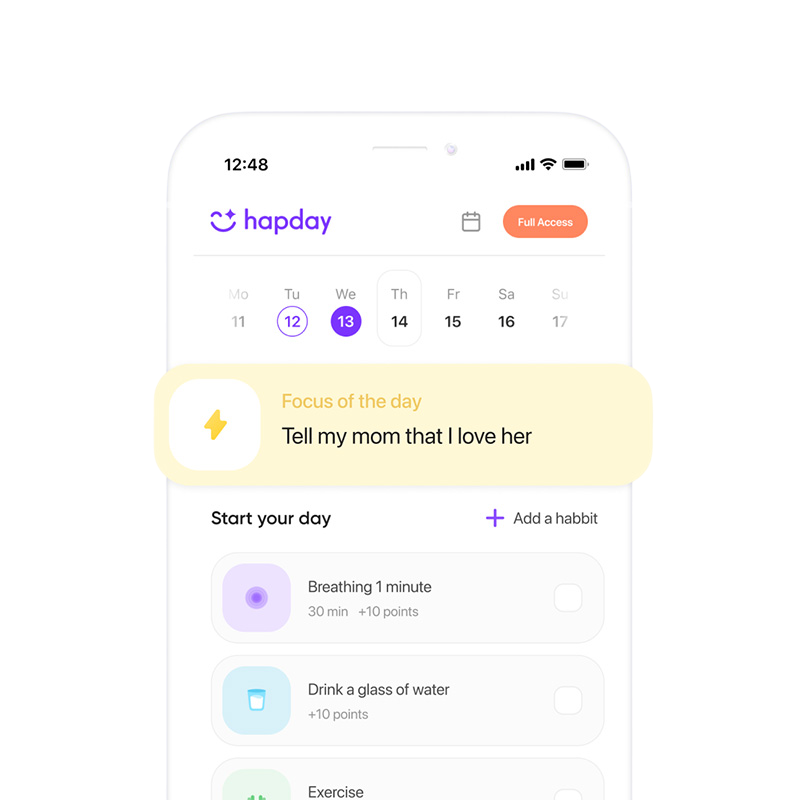
Craving more structured assistance? Sunrise – ADHD Coach could be your guide, an app with habit tracking and focus aids designed for ADHD intricacies. Seek it out in the App Store.