





Table of Contents
- Unpacking the ADHD Brain
- How ADHD Affects Productivity
- Strategy 1: Break Tasks into Smaller Pieces
- Strategy 2: Use Timers to Harness Hyperfocus
- Strategy 3: Create a Visual Workspace
- Strategy 4: Prioritize Physical Activity
- Strategy 5: Embrace Digital Tools
- Strategy 6: Establish Routines and Rituals
- Final Thoughts
Unpacking the ADHD Brain
As
“The ADHD brain often struggles with executive functioning—the mental skills that involve working memory, flexible thinking, and self-control. This can make initiating tasks or maintaining concentration particularly daunting.”
— Dr. Sarah Chen, Clinical Psychologist
puts it, our brains naturally chase after dopamine, the pleasure chemical. For those with ADHD, this yearning can spiral into distraction and impulsive behavior. The National Institute of Mental Health (NIMH) highlights that over 8 million adults in the U.S. navigate this condition daily.
How ADHD Affects Productivity
Take Lily, a 26-year-old graphic designer trapped in a procrastination loop, swamped by her tasks. “I knew what needed doing, yet initiating felt impossible,” she confides. Lily’s struggle starkly illustrates ADHD’s impact on productivity. Tasks sometimes appear unscalable, yet understanding the ADHD brain lays the groundwork for actionable, effective strategies.
Strategy 1: Break Tasks into Smaller Pieces
Visualize each task as a formidable mountain. Standing at the base, the peak is a distant speck. What if, instead, you concentrated only on the immediate steps ahead? By segmenting tasks into smaller, digestible parts, you transform a mountain into a series of manageable slopes—less intimidating, more surmountable.
Why It Works: This tactic fights against overwhelm and procrastination. Completing these smaller tasks releases dopamine, crafting a loop of positive reinforcement that propels further activity.
How To Do It:
- Decipher projects into precise, clear tasks.
- Organize these tasks on a timeline.
- Revel in the small victories to sustain motivation.
Strategy 2: Use Timers to Harness Hyperfocus
Hyperfocus—an ironic element of ADHD—where one can become so engrossed in a task that time itself evaporates. Imagine the world fading away, leaving a bubble of pure productivity. Timers act as guides here, harnessing this state while maintaining a handle on time.
Why It Works: Timers create time boundaries, infusing a sense of urgency and organization, which can prompt hyperfocus without going off the rails.
How To Do It:
- Experiment with the Pomodoro Technique: Work intently for 25 minutes, unwind for 5.
- Customize times to mirror your peak productivity periods.
- Employ physical timers or smartphone apps for cues.
Strategy 3: Create a Visual Workspace
Visual cues can be powerful allies when boosting ADHD productivity. A chaotic space adds to a cluttered mind, yet a visually organized environment becomes a roadmap steering you through tasks.
Why It Works: Visual tidiness aides cognitive processes, supporting memory and planning while cutting through distractions. A research piece from Stanford suggests visual stimuli potentiate focus and cognitive organization.
How To Do It:
- Use a color-coded system for distinct projects or tasks.
- Utilize sticky notes or whiteboards for reminders and ideas.
- Organize your space to reduce distractions—keep essential materials visible and within reach.
Strategy 4: Prioritize Physical Activity
Physical activity serves as an antidote to the restless energy inherent in ADHD. Consider Maya, who amidst a chaotic divorce, discovered daily morning jogs as her mental sanctuary. These runs turned into her mental reset, equipping her to seize the day with renewed focus.
Why It Works: Exercise escalates neurotransmitter levels, boosting concentration while curbing impulsivity and anxiety. The Mayo Clinic underscores how regular activity stimulates the brain, easing ADHD symptoms.
How To Do It:
- Implement short, frequent bursts of movement throughout the day.
- Merge exercise with social pursuits or hobbies to keep motivation high.
- Set achievable, enjoyable goals to cultivate a sustainable routine.
Strategy 5: Embrace Digital Tools
When wielded with purpose, technology can transform digital distractions into productivity allies. Tools geared for focus and organization are a boon for those with ADHD.
Why It Works: Apps and digital tools instill structure and serve as reminders, assisting in organizing thoughts and actions. Studies from Harvard note that integrating tech can significantly bolster task management for ADHD minds.
How To Do It:
- Turn to apps like Trello or Asana for organizing tasks.
- Use time-management tools like RescueTime to track and limit distractions.
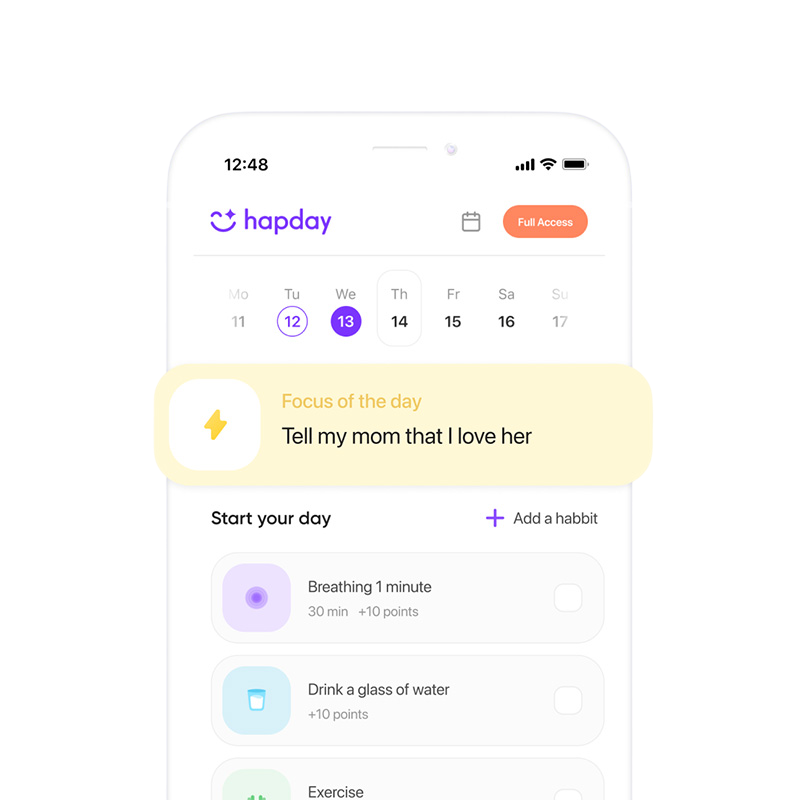
- Explore apps crafted for ADHD support, like Sunrise – ADHD Coach, which offer bespoke solutions.
Strategy 6: Establish Routines and Rituals
Daily routines act as anchors in the ADHD sea of distractions. Establishing rituals for morning and evening primes your mind for focus and efficiency.
Why It Works: Routines ease decision fatigue, allowing mental energy to pivot towards task execution rather than incessant planning. Consistent routines lend predictability, soothing ADHD minds.
How To Do It:
- Formulate consistent schedules for key activities (like meals and work hours).
- Integrate brief sessions for mindfulness or meditation to dissipate mental clutter.
- Tailor your routine to your personal energy levels and periods of peak productivity.
Final Thoughts
Simply reading about productivity hacks isn’t the magic bullet; the true alchemy lies in the trial and exploring what aligns with your unique rhythm. Think of it as crafting a personal masterpiece—enhancing ADHD productivity takes patience, creativity, and adaptation.
Key Takeaways
- Break tasks into smaller pieces to combat overwhelm and boost motivation.
- Use timers to create time boundaries that leverage hyperfocus.
- Maintain a visual workspace to enhance cognitive organization and memory.
- Engage in regular physical activity to support concentration and reduce impulsivity.
- Utilize digital tools strategically for better organization and task management.
The Bottom Line
Productivity doesn’t have to be an elusive goal for those with ADHD. With the right strategies tailored to your needs and preferences, you can navigate your daily challenges and steer toward success. Remember, small adjustments can lead to significant outcomes—embrace your journey!