





Table of Contents
- The Untamed Emotional Landscape of ADHD
- What Makes Emotional Regulation in ADHD Unique?
- Your Emotional Regulation Toolkit
- Mindfulness: Being Present Amidst the Chaos
- Pause—Your Emotional Circuit Breaker
- Exercise—A Bridging Force Between Body and Brain
- Crafting a Routine: Anchoring for ADHD Minds
- Nourishing Nutrition
- Connecting with Community
- Therapeutic Approaches: Beyond Correction
- Resilience: A Mindset for Growth
- Tech: Harnessing Tools for Support
- The Bottom Line
- References
Key Takeaways
- ADHD impacts emotional regulation significantly, often leading to turbulent feelings.
- Mindfulness and structured routines can enhance emotional control.
- Physical activity and community support are critical in managing ADHD emotional challenges.
- Therapeutic approaches like CBT can provide valuable tools for better emotional responses.
The Untamed Emotional Landscape of ADHD
ADHD goes beyond the simple image of wandering attention and scattered focus. It has significant repercussions on how one processes and regulates emotions, too. Take it from
“Challenges in emotional regulation with ADHD root from how the brain perceives stimuli. Emotions can be intensely palpable because there’s a diminished filter.”
— Jennifer Knight, Licensed Therapist
Imagine raw power lines—exposed, sparking unpredictably at the slightest touch. That’s akin to emotional responses in ADHD. Realizing why reigning in emotions is difficult marks the initial move toward managing them. The National Institute of Mental Health identifies emotional dysregulation as crucial to ADHD, where the prefrontal cortex’s function is pivotal.
What Makes Emotional Regulation in ADHD Unique?
The prefrontal cortex stands as a focal character—it governs planning, decision-making, and moderating social behavior. In ADHD, this area doesn’t operate quite the same, affecting emotion management. Harvard Medical School sheds light on neurotransmitter imbalances that heighten emotional reactivity.
During her divorce, Maya, 28, experienced insuppressible waves of sadness and anger.
“It was like being caught in a storm.”
— Maya, ADHD Client
For those with ADHD, these intense emotions are not fleeting; they are all-consuming and require strategic management.
Your Emotional Regulation Toolkit
There’s hope: Improving emotional regulation isn’t about stifling emotion, but channeling it constructively. Let’s delve into science-backed strategies to foster well-being.
Mindfulness: Being Present Amidst the Chaos
Mindfulness, although ancient, enjoys the backing of modern neuroscience. It’s about anchoring in the present moment. Jon Kabat-Zinn, through his work at the University of Massachusetts, found mindfulness could dampen general anxiety and refine emotional responses. This method invites your brain to embrace discomfort without critique and relinquish it without clinging.
Pause—Your Emotional Circuit Breaker
Imagine you’re on the cusp of a meltdown. Dr. Sarah Chen, a clinical psychologist, suggests activating “the pause” technique:
“Pause, close your eyes, breathe, and probe what’s truly happening emotionally.”
— Dr. Sarah Chen, Clinical Psychologist
This moment creates space for executive functions to kick in. Consider it as your brain CEO steering the meeting before chaos ensues.
Exercise—A Bridging Force Between Body and Brain
Movement serves as a formidable force. According to Mayo Clinic, consistent physical activity unleashes endorphins and quells cortisol, balancing mood and reducing stress. Exercise isn’t merely for the body; it is pivotal for mental clarity.
Crafting a Routine: Anchoring for ADHD Minds
Routine provides a calming balm for ADHD minds. Predictability reduces external chaos, a catalyst for emotional dysregulation. Renowned ADHD expert Dr. Russell Barkley notes that structure alleviates emotional demands, sparing resources for improved regulation.
Nourishing Nutrition
Your diet significantly influences mood and brain health. Evidence suggests diets rich in omega-3s and low in sugar benefit neurotransmitter function. A balanced diet supports mental health and boosts energy.
Connecting with Community
Isolation is not your journey. Linking with those who understand ADHD offers empathy and practical wisdom. Shared activities enhance oxytocin, promoting emotional harmony.
Therapeutic Approaches: Beyond Correction
Therapy isn’t about fixing; it equips you with needed tools. Cognitive Behavioral Therapy (CBT) addresses emotional regulation, altering automatic thoughts and reactions.
Resilience: A Mindset for Growth
Perceiving dysregulation as opportunity rather than downfall is key. Psychologist Dr. Carol Dweck’s growth mindset reframes challenges into learning experiences, reducing emotional flare-ups.
Tech: Harnessing Tools for Support
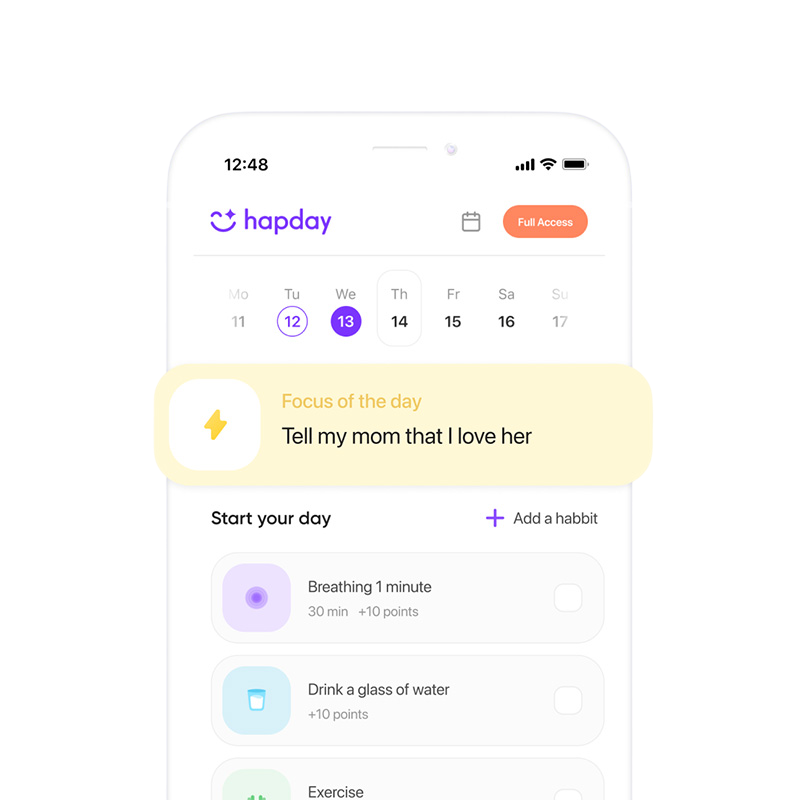
Today’s tech provides tools tailored to ADHD emotional regulation. From mindfulness to productivity apps, technology organizes and supports ADHD management.
The Bottom Line
In the pursuit of better emotional regulation in ADHD, perfection isn’t the goal but progress. It’s about weaving strategies into a lifestyle tapestry, each thread essential for the emotional landscape you aspire to create. Empower yourself to seize control of your emotional journey. Embrace technology like Sunrise – ADHD Coach, designed to bolster routines and focus strategies for those navigating ADHD challenges. Visit their app to explore more.
References:
- American Psychological Association
- National Institute of Mental Health
- Harvard Medical School
- Mayo Clinic
- NIH
- CHADD