





Table of Contents
- Understanding ADHD Emotional Dysregulation
- Start with Self-Awareness
- Build an Emotional Toolkit
- Establish Strong Routines
- Utilize Technology for Support
- Engage in Cognitive Behavioral Therapy (CBT)
- Connect with Others for Support
- The Bottom Line
- References
Understanding ADHD Emotional Dysregulation
Look around, and you’ll find plenty of mentions about ADHD and emotional dysregulation—it’s a hot topic in academic circles. As per the National Institute of Mental Health, those with this condition often grapple with whirlwind mood swings, heightened emotional sensitivity, and intense reactions to stress. Individuals living with ADHD frequently struggle to rein in their emotions, causing rifts in everyday life and work that can feel insurmountable.
“It’s akin to having a malfunctioning brake system in your car. Emotional impulses flare up unchecked, leading to emotional derailments.”
— Dr. Sarah Chen, Clinical Psychologist
Yet, amid such challenges, how does one confront ADHD emotional dysregulation in the everyday grind? Here’s a glimpse into what both research and practical wisdom suggest.
Start with Self-Awareness
Spotting the initial spark of overwhelming emotion is often the stepping stone towards managing them. Emotional dysregulation can amplify social misunderstandings or blow minor setbacks out of proportion. By fostering self-awareness, you can brace yourself for these emotional storms.
Why This Works
Self-awareness is crucial because it puts you in the driver’s seat—allowing the brain to respond rather than simply react. A study from 2021 by Harvard Health articulated that mindfulness techniques can markedly improve emotional regulation by nurturing a stronger connection between the amygdala and the prefrontal cortex, the brain’s key players in emotional response and decision-making.
How to Develop Self-Awareness
- Mindful Journaling: Reserve a few minutes daily to jot down your emotional reactions. What sparked them? Which scenarios led to emotional highs? Over time, patterns will reveal themselves.
- Breathing Techniques: Delve into deep-breathing exercises. It triggers the parasympathetic nervous system, mellowing intense emotional states.
- Seek Feedback: Occasionally, those around us can spot our patterns better than we can. Ask trusted companions or therapists for their perspective.
Build an Emotional Toolkit
In the realm of emotional management, having a diverse array of tools is indispensable. Adapt different strategies as required by the situation.
Why This Works
An emotional toolkit offers flexibility, much like bringing both a flashlight and matches when camping. You’re ready for both the foreseeable and the unexpected.
How to Build Your Toolkit
- Cognitive Behavioral Techniques (CBT): CBT aids in challenging and changing detrimental thoughts and behaviors. For instance, if a friend cancels plans, instead of thinking “they don’t care,” try reframing it to “perhaps something urgent came up.”
- Time-Outs: Grant yourself the grace to pause if emotions become overwhelming. Brief breaks can prevent escalation.
- Physical Activity: Introduce movement into your routine. Exercise releases endorphins, offering an antidote to stress and boosting one’s mood.
Establish Strong Routines
Those with ADHD often find solace in established routines. Consistency can serve as a solid cornerstone that fosters emotional stability.
Why This Works
Routines breed predictability, easing the brain’s burden in navigating daily uncertainties. Research by the Mayo Clinic underscores that maintaining consistent daily routines can significantly lower stress, enhancing emotional regulation.
How to Establish Routines
- Morning Rituals: Kick off your morning with reliable activities like meditation or breakfast—setting a calm, steady tone.
- Scheduled Breaks: Plan breaks to ward off burnout. Regular intervals offer moments for emotional recalibration.
- Sleep Hygiene: Emphasize the importance of sleep; irregular sleep cycles can worsen emotional dysregulation.
Utilize Technology for Support
In today’s digital age, technology can open doors to innovative solutions for managing ADHD and related emotional challenges.
Why This Works
Apps offer structure, reminders, and tools to bridge attention gaps and streamline emotional regulation. Digital support serves as a continuous aid that aligns with personal aspirations.
How to Harness Technology
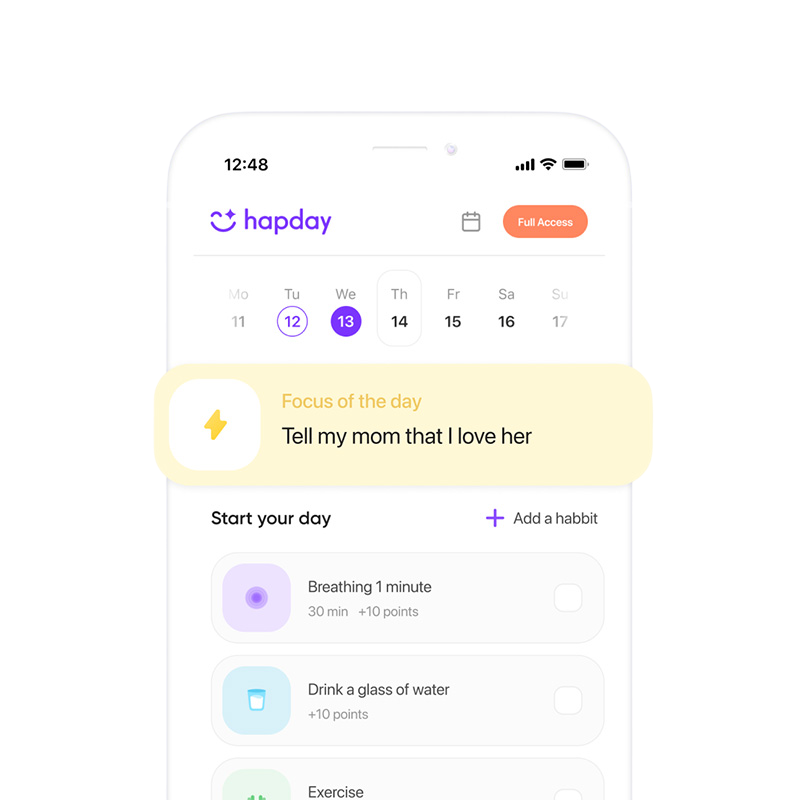
- Use Planning Apps: Programs like Sunrise – ADHD Coach offer habit-tracking and focus tools, crafted with ADHD habits in mind. They can help organize days and tackle potential emotional triggers.
- Alarm Systems: Set reminders for routine chores, reducing unpredictability and its accompanying stress.
- Tracking Emotions: Digital journals are a simple way to log emotional patterns and watch your progress evolve.
Engage in Cognitive Behavioral Therapy (CBT)
CBT remains among the most potent therapies for ADHD-related emotional dysregulation. Through structured sessions, CBT aids in altering negative thought patterns that can lead to emotional upheavals.
Why This Works
CBT operates on the principle that emotions and thoughts share a deep bond. By reshaping thoughts, it changes emotional reactions. The American Psychological Association highlights CBT’s high effectiveness rate in soothing symptoms of emotional dysregulation by instilling healthier thought patterns.
Implementing CBT Strategies
- Work with Therapists: Find a therapist who specializes in ADHD. Consistent sessions can foster change and offer a nurturing environment.
- Self-Directed CBT: Online CBT workbooks guide you through exercises that can be completed independently.
- Group Therapy: Engaging with peers in similar situations offers a blend of diverse perspectives and shared experiences.
Connect with Others for Support
Connection is a cornerstone of emotional health. Sharing our stories with others opens doors to empathy and collective growth.
Why This Works
Humans are inherently social creatures. Neuroscience reveals the release of oxytocin—a bonding hormone—during connection, which can help stabilize moods.
How to Foster Connections
- Join ADHD Support Groups: These gatherings offer a sanctuary where individuals facing similar challenges can connect. Sharing strategies and stories can validate your journey.
- Discuss More Openly: Converse with close friends or family about ADHD’s impact on your emotions. Understanding from loved ones can quell feelings of isolation.
- Online Communities: Platforms like Reddit or specific Facebook groups can be a treasure trove of virtual connection and advice.
As Nick found himself among the subway throng, he gradually slowed his pace. A few deep, intentional breaths—a trick from his emotional toolkit—and a moment of introspection helped him grasp that perfection wasn’t the goal. These techniques provided the pause needed to regain his composure. While the path to managing emotional dysregulation isn’t straightforward, with awareness, strategies, community, and even a bit of tech, it’s entirely navigable.
Key Takeaways
- Emotional dysregulation due to ADHD can lead to overwhelming emotional reactions in daily life.
- Self-awareness and mindfulness can empower individuals to manage their emotional responses effectively.
- Building a diverse emotional toolkit helps adapt to various emotional situations.
- Establishing consistent routines fosters emotional stability and reduces stress.
- Technology and support systems play vital roles in managing ADHD-related emotional challenges.
The Bottom Line
You possess the power to navigate your emotional landscape with more ease, steering through daily life with ADHD in tow. Whether it’s through solid routines, digital aid, or fostering connections, these approaches urge you toward emotional responsibility and well-being. Ready to take the next step? Consider downloading Sunrise – ADHD Coach to embark on structuring your path with the guidance you deserve. Remember, each day presents an opportunity to hone these skills for a brighter, more resilient tomorrow.
References
- National Institute of Mental Health
- Mayo Clinic
- Harvard Health
- American Psychological Association