





Table of Contents
- The Complex Emotional Landscape of ADHD
- Building Self-Awareness
- Practical Strategies for Day-to-Day Regulation
- Cognitive Behavioral Techniques (CBT)
- Nurturing Emotional Intelligence
- Building a Supportive Environment
- Nutritional Support for Emotional Regulation
- Staying Open to Adaptation
- Embracing Emotional Growth
- Moving Forward with Confidence
- The Bottom Line
Key Takeaways
- Emotional dysregulation is a core aspect of ADHD, affecting how emotions are processed and responded to.
- Identifying emotional triggers and practicing mindfulness can significantly improve self-awareness and emotional responses.
- Incorporating physical activity and establishing routine boundaries are effective strategies for daily emotional regulation.
- Cognitive Behavioral Therapy (CBT) can offer personalized strategies for managing emotional dysregulation.
- Building a supportive environment and nurturing emotional intelligence are crucial for managing ADHD-related challenges.
The Complex Emotional Landscape of ADHD
ADHD isn’t just about being scatterbrained or overly energetic; it deeply intertwines with emotional experiences.
“Emotional dysregulation is as integral to ADHD as hyperactivity or inattention, yet it’s often ignored.”
— Dr. Edward Hallowell, ADHD Expert
This aspect of ADHD brings with it heightened sensitivity and often leads to more intense emotional responses.
At its core, emotional regulation in ADHD revolves around managing responses to emotions in ways that are socially accepted and adaptable to different settings. The amygdala, the brain’s emotional epicenter, often acts like an overzealous alarm system, complicating how emotional stimuli are processed, as detailed by Harvard Health. But is there a way to improve this regulation day after day?
Building Self-Awareness
Identifying Emotional Triggers
Pinpointing emotional triggers is a critical step toward better regulation. Certain circumstances or people might regularly provoke strong emotional reactions. Keeping a journal of these occurrences can be incredibly telling.
“Writing down your emotional triggers helps predict outcomes and prepares you for more adaptive responses.”
— Dr. Sarah Chen, NYU
Recognizing these triggers lets the prefrontal cortex—a brain area responsible for regulation and impulse control—do its job more effectively. This promotes a more balanced response, as noted by the National Institute of Mental Health.
Mindful Observation
Embracing mindfulness helps bolster emotional awareness, enabling you to face your emotions with interest rather than judgment. Mindfulness exercises can re-anchor you in moments of emotional overwhelm. Tools like Headspace offer guided meditations aimed specifically at improving emotional regulation.
Practical Strategies for Day-to-Day Regulation
Setting Routine Boundaries
Creating daily routines acts as a safety net to curb impulsivity and stabilize emotional swings. Try mixing structured work, frequent breaks, and self-care, keeping to the schedule as best you can.
According to the habit loop theory, routines establish predictable outcomes, lending a much-needed sense of control—vital for those wrestling with emotional unpredictability, as explored by the American Psychological Association.
Incorporating Physical Activity
Exercise isn’t just for physical health; it’s a significant mood booster, too, especially vital for managing ADHD. Regular physical activity releases endorphins and reduces adrenaline and cortisol levels—essentially winding down the body’s stress response. Aim for at least 30 minutes of moderate exercise most days.
A study featured in the Journal of Attention Disorders revealed that individuals with ADHD who maintained a regular exercise routine reported reduced symptoms of emotional dysregulation.
Cognitive Behavioral Techniques (CBT)
CBT strategies have proved effective for addressing emotional dysregulation in ADHD. Techniques such as cognitive restructuring—replacing distorted thoughts with more balanced patterns—are foundational. Working with a therapist trained in ADHD-specific CBT can help tailor approaches to your unique emotional landscape.
CBT fosters changes in the brain’s automatic responses by altering the underlying neural pathways involved in emotional control, as noted by the National Institutes of Health.
Nurturing Emotional Intelligence
Emotional Intelligence (EI)—some call it the “inner compass”—involves understanding and managing your emotions constructively. Skills like empathy, self-regulation, and social abilities enhance your interactions with yourself and others. Time spent in self-reflection and feedback from trusted acquaintances can advance these skills.
Building a Supportive Environment
Cultivating a Support Network
A nurturing social circle can buffer against emotional dysregulation. Sharing your journey with those who respect your experiences can be transformative. ADHD support groups—offline or online—can connect you with others who truly comprehend your struggles.
Therapeutic Interventions
Engaging with a therapist or ADHD coach provides personalized insights and strategies—shedding light on emotional and behavioral patterns that often seem elusive.
Nutritional Support for Emotional Regulation
Diet impacts more than just body weight. A balanced diet enriched with omega-3 fatty acids, vitamins, and minerals supports both brain health and emotional balance. Foods like salmon, walnuts, and leafy greens are pivotal in this quest.
Research has shown a connection between omega-3 intake and reduced ADHD symptoms, including emotional dysregulation, as reported by Mayo Clinic.
Staying Open to Adaptation
Life, with all its unpredictability, doesn’t come with a script—especially for those with ADHD. Stay flexible; adapt your strategies as challenges arise. If today’s approach needs changes tomorrow, that’s perfectly okay.
Embracing Emotional Growth
Enhancing emotional regulation isn’t linear—each small step contributes to heightened awareness and resilience. You’re curating a toolkit tailored to your emotions, lifestyle, and personal demands. See it as a practice, not a destination—a continuous journey toward emotional well-being.
Moving Forward with Confidence
As Maya discovered, improving emotional regulation with ADHD involves patience, experimentation, and self-compassion. Celebrate each small triumph toward emotional clarity and find solace in knowing you’re not journeying alone.
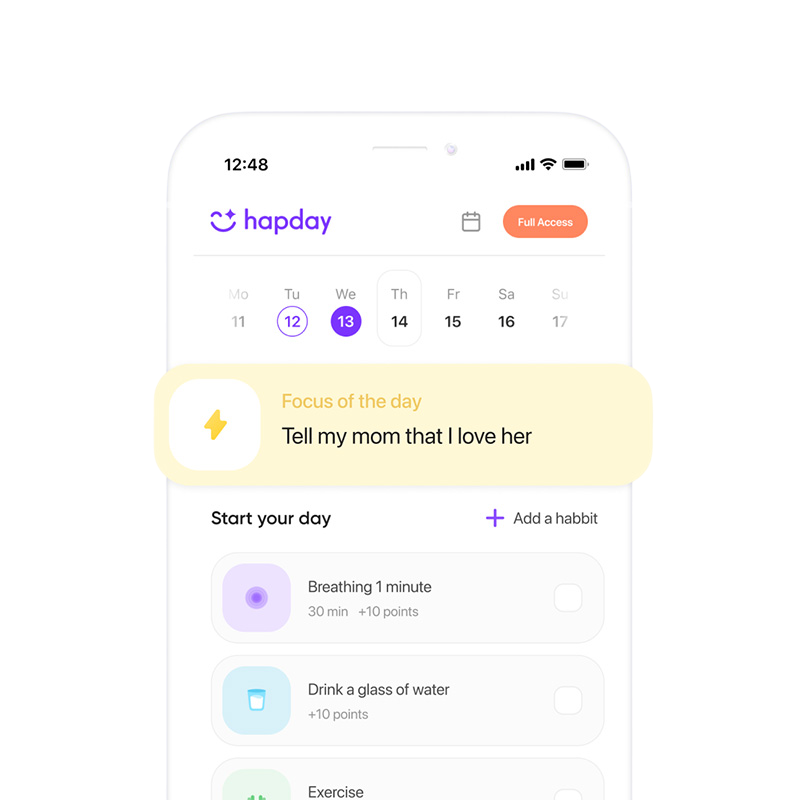
Taking proactive steps in emotional regulation is empowering, and numerous ADHD tools can help integrate effective daily practices. Tools like Sunrise – ADHD Coach can weave habit tracking, focus tools, and customized routines into your daily life. Why not take that step today?
Remember, understanding and managing your emotions isn’t a weakness—it’s your superpower. Each day brings new chances to listen to the language of your heart. Keep striving forward—every step is a leap toward balance and fulfillment.
The Bottom Line
Improving emotional regulation with ADHD is a journey that involves understanding your emotions, utilizing effective strategies, and nurturing your emotional growth. It’s about building a toolkit that allows you to navigate the complexities of your emotional landscape with confidence and resilience.