




Table of Contents
- Understanding the ADHD Mind
- Embracing Structure with Flexibility
- Leveraging Technology Wisely
- The Power of Externalizing Information
- Setting Realistic Expectations
- Activating Interest-Based Motivation
- Connecting with Support Networks
- Physical Activity as a Catalyst
- Leveraging Creative Freedom
- Risk-Taking within Safe Boundaries
- Conclusion: Embrace Your Unique Path
Key Takeaways
- Understanding the unique wiring of the ADHD brain is essential for effective productivity strategies.
- Implementing personalized schedules and time-blocking can create manageable workflows.
- Leveraging technology and productivity apps can minimize distractions and enhance focus.
- Connecting with support networks fosters accountability and motivation.
- Incorporating exercise and creative freedom can improve overall productivity and satisfaction.
Understanding the ADHD Mind
Before we plunge into strategies, it’s crucial to first grasp that the ADHD brain isn’t wired like everyone else’s.
“ADHD isn’t just about attention—it’s fundamentally about self-regulation and executive function.”
— Dr. Russell Barkley, Clinical Psychologist
So, forget traditional productivity methods. What’s needed are fresh approaches that align with your distinct processing style.
Ever notice how everyday tasks seem overwhelming, but new, exciting challenges utterly captivate your focus? This illustrates the need to harness interest-based motivation—a cornerstone concept in managing ADHD.
Embracing Structure with Flexibility
Creating structure is vital—yet for those with ADHD, inflexible routines can quickly become stifling. So, how do you make room for flexibility in your workflow?
A Personalized Schedule: Meet Maya, a 28-year-old marketing wiz. She was handed a major project at work and knew her usual planning tactics wouldn’t cut it. Enter time-blocking. Maya crafted “interest pockets,” chunks of time assigned to engaging tasks, peppered with micro-breaks, letting her mental circuits reset.
Why This Works:
Time-blocking helps you break tasks into bite-sized timelines. The Pomodoro Technique is gold here: 25 minutes of intense focus, a 5-minute chill time. For those with ADHD, who naturally sprint in bursts of focus, this combats fatigue. Back in 2021, the National Institute of Mental Health endorsed this approach.
Leveraging Technology Wisely
Your gadgets—constant companions and distractions alike. But in the right hands, they morph into crucial allies.
Apps for Attention: Utilize tools like RescueTime to track your digital habits, while Focus@Will rolls out music tracks curated to boost concentration.
How to Implement:
- Set fixed times for checking emails and messages so you’re not forever derailed.
- Apps like Forest, which grows a virtual tree as long as you stay on task, deter incessant phone surfing.
The Power of Externalizing Information
Keeping track of tasks mentally? It’s unsustainable. Writing them all down? Tedious. Here’s a middle ground.
Sticky Notes and Visual Boards: Robbie, a 35-year-old graphic designer, is a die-hard fan of his Kanban board. It breaks tasks into “To Do,” “In Progress,” and “Done,” freeing his mind from the clutter of remembering and focusing on materializing ideas.
Scientific Backing:
The American Psychological Association has highlighted how offloading information cuts cognitive load, honing focus on actual task execution.
Setting Realistic Expectations
The buzzing swarm of ideas in your mind needs taming with realistic, achievable goals, through big and small planning.
Micro-Goal Strategy: Karen, a writer, would often fail to complete articles. Setting bite-sized daily word count goals, she slowly tackled projects, her progress steady and deliberate.
Execution:
- Start by mapping out a major weekly goal and breaking it into daily targets.
- Applaud small victories—they ignite motivation.
Activating Interest-Based Motivation
In typical productivity models, passion tends to be undervalued—yet, it’s critical for someone with ADHD.
Dopamine-Inducing Activities: Dive into tasks you’re genuinely curious about. Combine stimulating tasks with mundane ones to maintain consistent flow.
Neuroscience Insight:
“Tasks tied to interest spike dopamine—attention’s and pleasure’s key neurotransmitter.”
— Dr. Nora Volkow, National Institute on Drug Abuse
Connecting with Support Networks
Feeling isolated can kill productivity. Connections breed accountability and foster motivation.
ADHD Peer Groups: Lucas found camaraderie in a local ADHD support group where members set weekly objectives. This community—more than just support—became a bedrock for staying motivated.
Why This Is Crucial:
Belonging to such groups eases the frustration often coupled with ADHD. Shared experiences normalize challenges, making them easier to surmount.
Physical Activity as a Catalyst
Did you know? Movement can significantly sharpen your focus. Time to creatively infuse exercise into your routine.
Active Breaks: Sarah, a city planner, weaves simple yoga stretches into her workday and notes renewed focus afterwards.
Underlying Science:
Exercise ramps up brain-derived neurotrophic factor (BDNF)—a protein linked to cognition and mood, say experts at Mayo Clinic.
Leveraging Creative Freedom
Traditional workplaces seldom highlight creativity—a domain where ADHD folks often shine.
Innovative Projects: Dive into challenges demanding inventive solutions. Avoid shying away from flipping conventional methods on their head.
Risk-Taking within Safe Boundaries
ADHD and risk-taking? They’re often in cahoots. Channel this into constructive outcomes.
Calculated Challenges: Joshua, a software developer, thrives on high-stakes projects. By meticulously planning riskier ventures, he keeps enthusiasm high and momentum ticking.
Conclusion: Embrace Your Unique Path
Navigating productivity with ADHD isn’t about fitting a mold—it’s about validating and nurturing the pieces that make you distinct. The aim isn’t to quiet your lively mind, but to direct its vitality into fulfillment. You might falter sometimes—and that’s okay. Perseverance, self-kindness, and nimbleness are your greatest allies.
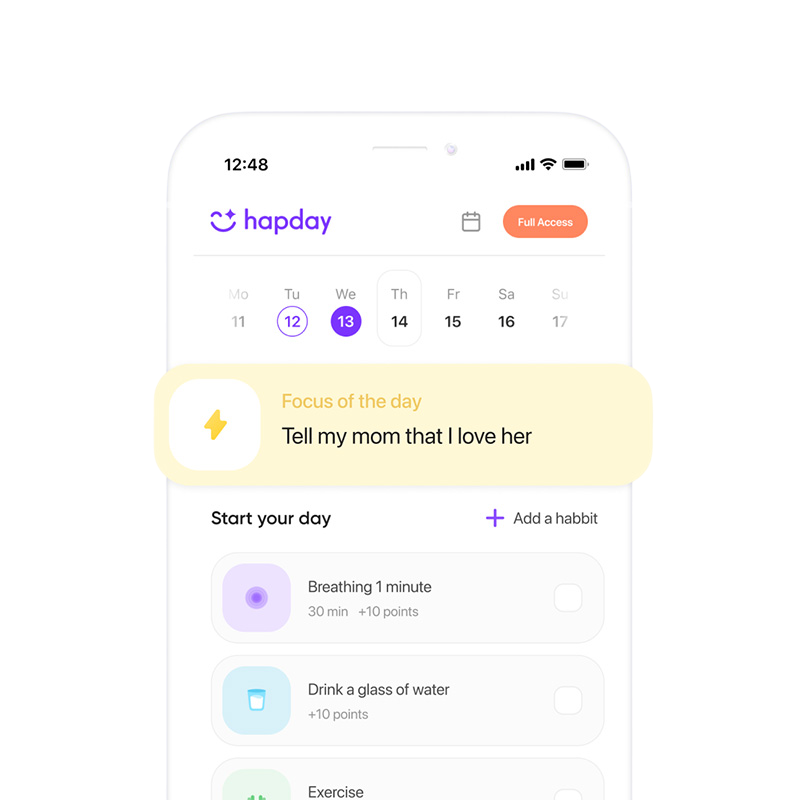
Ready to steer your productivity voyage? Begin your journey with Sunrise – ADHD Coach. This app equips you with personalized habit tracking, AI-aided daily planning, and focus tools tailor-made for the ADHD mind.
With apt strategies and tools, your productivity can flourish, transforming each day into a thriving canvas of achievement and satisfaction.
The Bottom Line
Managing productivity with ADHD involves understanding your unique cognitive styles and optimizing your environment and strategies to support those strengths. With the right approaches, individuals with ADHD can unlock their potential and thrive in their daily lives.