





Table of Contents
- Understanding the ADHD Mind: Why Focus Feels Like a Moving Target
- Crafting an ADHD-Friendly Space: Minimizing Interruptions in Your Environment
- Task Management: Deconstructing Daunting Projects
- Fueling the ADHD Brain: The Importance of Diet and Movement
- Embracing Digital Tools: Using Technology for Better Focus
- Practicing Mindfulness: Anchoring the Wandering Mind
- Seeking Guidance: Therapy and Coaching
- Concluding Thoughts: Taking Charge of Your Focus Journey
Key Takeaways
- Understanding the unique brain wiring of ADHD can help tailor effective strategies for focus.
- Creating an organized, calm environment is crucial for reducing distractions.
- Breaking tasks into smaller steps can alleviate feelings of overwhelm and enhance productivity.
- A nutrient-rich diet and regular physical activity can significantly improve focus in individuals with ADHD.
- Incorporating mindfulness practices can foster better concentration and mental clarity.
Understanding the ADHD Mind: Why Focus Feels Like a Moving Target
We need to first grasp the mechanism behind ADHD and focus before diving into tactics. The National Institute of Mental Health outlines ADHD as a neurodevelopmental disorder marked by persistent inattention, hyperactivity, and impulsivity. It’s not just a fleeting fancy; it’s a neurological reality (NIMH).
“Individuals with ADHD experience a unique brain wiring, which heightens sensitivity to stimuli. Combine that with dopamine imbalances, and focusing on everyday tasks can become Herculean.”
— Dr. Sarah Chen, Clinical Psychologist at NYU
So, how do we take these insights and mold them into practical daily habits?
Crafting an ADHD-Friendly Space: Minimizing Interruptions in Your Environment
At the heart of sustainable focus lies a nurturing environment. Creating ADHD-friendly spaces means reducing distractions and understanding sensory triggers.
- Declutter and Organize: Mess breeds mayhem. For Maya, a 28-year-old navigating her post-divorce life, chaos on her desk mimicked chaos in her mind. An organized, clean workspace, complete with labeled folders, transformed her focus in unexpected ways.
- Manage Sound: The hustle and bustle can be muffled with noise-canceling headphones or ambient music. Apps like Noisli bring soothing soundscapes that gently hold your attention.
- Zoning in on Focus: Dedicate distinct areas for work and relaxation. It signals to one’s brain the activity at hand.
Science concurs. Research from the Journal of Neuroscience reveals that structured settings do enhance attention, especially for those with ADHD. It’s not just about aesthetics; it’s foundational for genuine focus.
Task Management: Deconstructing Daunting Projects
For those with ADHD, sprawling tasks loom large, ushering in procrastination. The solution? Break them into bits.
- Harness Timers: Dr. Emily Smith from The ADHD Coaching Institute believes in the magic of timers. “Deadlines invigorate the ADHD mind—create artificial ones if you have to,” she suggests. Techniques like the Pomodoro (25-minute work sprints with intermissions) foster a rhythm of focus.
- Visual To-Do Lists: Vibrant visual cues keep one accountable. Platforms like Trello or Todoist make task management come alive, lessening the oppressive weight of detail.
Cognitive behavioral research highlights how dismantling tasks into smaller steps aids systematic focus, softening the blow of mental overload.
Fueling the ADHD Brain: The Importance of Diet and Movement
We often hear it — “You are what you eat.” For those with ADHD, diet plays a pivotal role in focus.
- A Nutrient-Rich Approach: Foods packed with omega-3s — think fish or flaxseed — are brain-nourishing powerhouses. Harvard Health links these nutrients directly to cerebral health and focus enhancement (Harvard Health).
- Embrace Exercise: Even brief spurts of activity can shift the focus needle. The CDC notes that movement initiates dopamine release, vital for attention and learning. For Sarah, a brisk morning walk did wonders—like polishing the haze off her mental lens.
Embracing Digital Tools: Using Technology for Better Focus
The digital era, with its dilemmas, also offers aids for focus, especially beneficial for the ADHD populace.
- Focus-Enhancing Apps: Explore apps like Forest or Focus@Will. They leverage gamification and music to maintain concentration while also visually tracking progress.
- Digital Reminders: Tools such as Google Keep or Evernote can capture fleeting thoughts, decluttering one’s mental arena and aiding concentration on present tasks.
Incorporating these aids into daily routines can significantly scaffold focus efforts amidst life’s whirlwind.
Practicing Mindfulness: Anchoring the Wandering Mind
Mindfulness stands out as a remedy for diverted attention. Research published in Psychiatry Research: Neuroimaging points out how mindfulness increases brain gray matter linked to learning and focus (NIH).
- Guided Meditations: Apps like Headspace guide one in mindfulness, training the ADHD brain to remain here and now without prejudice.
- Simple Breath Work: Breathing anchors a skittering mind, calming the autonomic nervous system and enhancing concentration.
Jake, at 35, found solace in daily ten-minute mindfulness practices, granting him clarity and patience amidst demanding workdays.
Seeking Guidance: Therapy and Coaching
Professional guidance often becomes indispensable.
- CBT: Mayo Clinic’s research underscores the value of Cognitive Behavioral Therapy in managing ADHD symptoms, restructuring counterproductive thought cycles (Mayo Clinic).
- Expert Coaching: ADHD-specific coaches offer bespoke strategies and necessary accountability to implement focus-enhancing techniques effectively.
Concluding Thoughts: Taking Charge of Your Focus Journey
ADHD may sometimes seem like an impasse, yet myriad pathways extend toward a more focused, empowered life. Understanding the brain’s unique choreography and adopting tailored strategies — from creating structured environments to leveraging technological advances — can transform ADHD into a stepping stone for daily victories. Each small achievement marks progress.
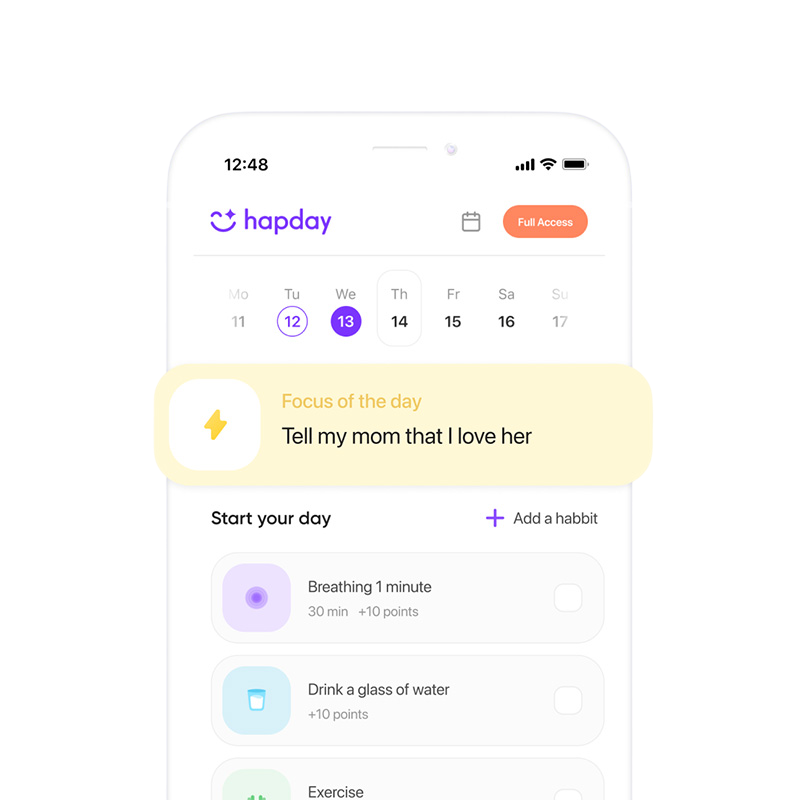
If you’re poised to step forward, consider the Sunrise – ADHD Coach app. Tailored for ADHD, it amalgamates habit tracking, focus tools, and customized daily planning. Ready to channel your focus intentionally? Start today with Sunrise’s insights into your grasp.
The Bottom Line
Overcoming the focus hurdles of ADHD demands persistence and tailored strategies, from organizing environments to nourishing your brain and embracing mindfulness. With deliberate approaches, the potential to convert these challenges into pathways to everyday triumphs expands.
References
- National Institute of Mental Health (NIMH)
- Harvard Health
- Centers for Disease Control and Prevention (CDC)
- American Psychological Association (APA)
- Mayo Clinic
- National Institutes of Health (NIH)