




Table of Contents
- Understanding ADHD Burnout
- Recognizing the Signs
- Practical Tips for Daily Recovery
- Prioritize Rest and Sleep
- Set Realistic Goals
- Establish Boundaries
- Practice Mindfulness
- Implement a Balanced Diet
- Seek Support
- Utilize Technology Wisely
- Regular Physical Activity
- Cultivating Self-Compassion
- Embracing a New Path
Understanding ADHD Burnout
ADHD burnout goes beyond typical tiredness. It’s that relentless exhaustion coupled with an overwhelming sense of despair. According to data from the Attention Deficit Disorder Association, those with ADHD face heightened burnout risks due to the constant struggle to maintain focus in a neurotypical world that doesn’t quite get it. Can you imagine pushing against that current every single day?
Burnout shows itself through reduced concentration, plummeting productivity, and an uptick in emotional sensitivity. It’s the byproduct of always having to tamp down ADHD symptoms, tirelessly striving to meet conventional behavior and productivity standards.
Recognizing the Signs
You can’t tackle ADHD burnout without first spotting its clues. Symptoms differ from person to person; however, they frequently include:
- Chronic fatigue: That unshakeable tiredness that sleep alone doesn’t solve.
- Emotional overload: When everyday tasks feel insurmountable.
- Impaired functioning: Struggles with memory, attention, executive function.
- Social withdrawal: When simple interactions become too exhausting.
Understanding these as burnout indicators is essential; it lays the groundwork for effective recovery methods.
Practical Tips for Daily Recovery
Recovery from ADHD burnout necessitates practical, sustainable adjustments. Let’s check out a few valuable tactics:
Prioritize Rest and Sleep
High-quality sleep is paramount for managing ADHD symptoms. You know, back in 2021, the Journal of Attention Disorders noted how rest could notably boost cognitive functions and emotional regulation. Craft a bedtime routine—perhaps cozying up with a book or meditating—and design a calming, distraction-free sleep space.
Set Realistic Goals
Protect yourself from overwhelm by setting achievable, short-term goals. Break tasks into bite-sized steps. Ever heard of SMART goals? They ensure clarity and structure with their focus on being Specific, Measurable, Achievable, Relevant, and Time-bound.
Establish Boundaries
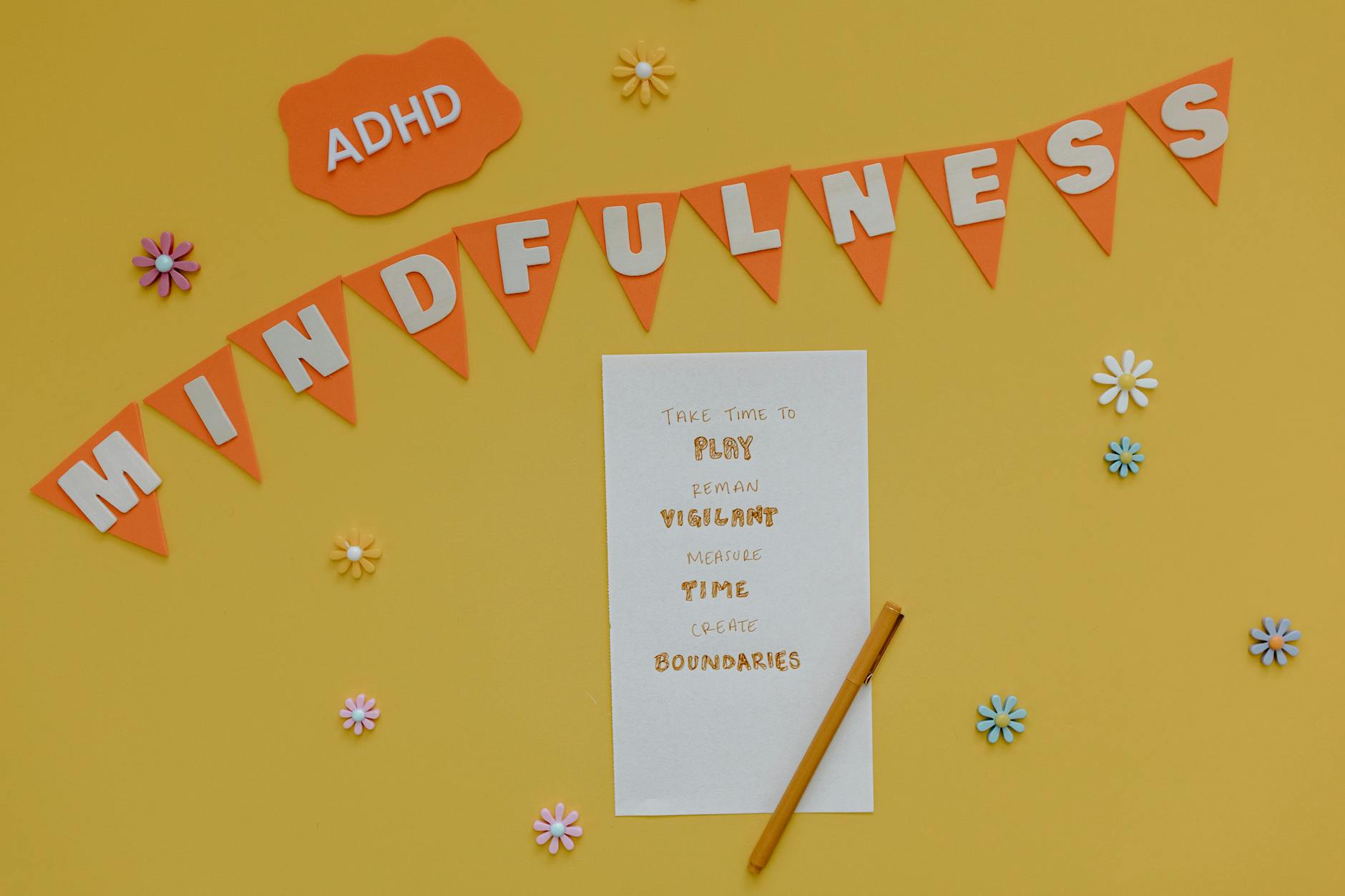
Learning to say no might be your secret weapon against ADHD burnout. Overcommitment intensifies symptoms, so carve out boundaries to prioritize tasks that align with your energy reserves and passions. It’s okay to defend your limits.
Practice Mindfulness
Mindfulness offers numerous benefits, from stress reduction to enhanced concentration. Dr. Lidia Zylowska, back in 2008, highlighted its advantages in her work. Consider yoga, meditation, or simple breathing exercises. Need guidance? Apps like Headspace provide structured mindfulness sessions. Worth a try, isn’t it?
Implement a Balanced Diet
Nutrition intricately influences ADHD symptoms. A diet enriched with omega-3 fatty acids, lean proteins, and fiber could uplift concentration and energy levels, as shown in research from Nutritional Neuroscience. Steering clear of processed foods and sugar-packed snacks can stave off mood swings and energy crashes.
Seek Support
If the going gets rough, reaching out for professional help is a wise move. Counseling or therapy can equip you with essential burnout management skills. Also consider joining support groups, such as CHADD, either in person or online. There’s strength in numbers, and connection.
Utilize Technology Wisely
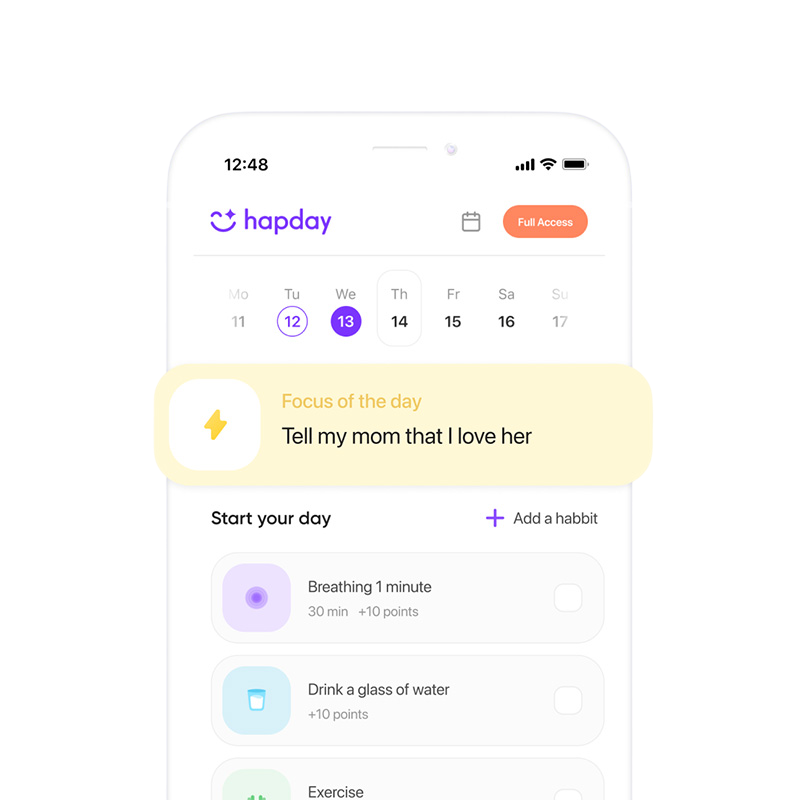
Why not let technology be a friend, not a foe? Utilize planners, reminders, or focus-enhancing apps like Forest to manage ADHD symptoms effectively without losing track.
Regular Physical Activity
Exercise is crucial. It elevates dopamine levels, enhancing mood and concentration. Did you know that research published in Neurochemistry International links regular exercise with neurotransmitter regulation? So, find what you love—be it dancing, yoga, or just a simple walk—and make it a habit.
Cultivating Self-Compassion
Beyond these actionable steps, nurturing self-compassion is imperative. Accepting ADHD as a part of your identity means working with it, not attempting to erase or fight it. A compassionate outlook encourages resilience, turning perceived ADHD limitations into avenues for growth.
Embrace the baby steps forward. Celebrate those victories, no matter how small they seem, and keep in mind: ADHD doesn’t determine your value.
Embracing a New Path
Getting past ADHD burnout calls for action, time, and a willingness to find what suits your path best. Building a nurturing environment, both within and around you, aids in navigating ADHD’s challenges effectively. Weaving these tips into your routine can guide you from burnout towards a more balanced and fulfilling life.
Take charge of your ADHD journey with these recovery tools. Each stride away from burnout—a step worth celebrating, don’t you think? Share your journey with our community below, we’d love to hear your stories!
References:
- Zylowska, L., Ackerman, D. L., Yang, M. H., Futrell, J. L., Horton, N. L., Hale, T. S., … & Smalley, S. L. (2008). Mindfulness Meditation Training in Adults and Adolescents With ADHD: A Feasibility Study. Journal of Attention Disorders, 11(6), 737-746.
- Nederkoorn, C., Houben, K., Hofmann, W., Roefs, A., & Jansen, A. (2010). Control Yourself or Just Eat What You Like? Weight Gain Over a Year is Predicted by an Interactive Effect of Response Inhibition and Implicit Preference for Snack Foods. Health Psychology, 29(4), 389-393.