




Table of Contents
- Understanding the ADHD Emotional Brain
- Harnessing Mindfulness for Emotional Regulation
- Cultivating Self-Compassion
- The Power of Routine
- Building an Emotional Toolkit
- Seeking Professional Guidance
- Lean on Support Networks
- Practical Strategies for Emotional Wellness
- The Way Forward: Thriving with ADHD
Understanding the ADHD Emotional Brain
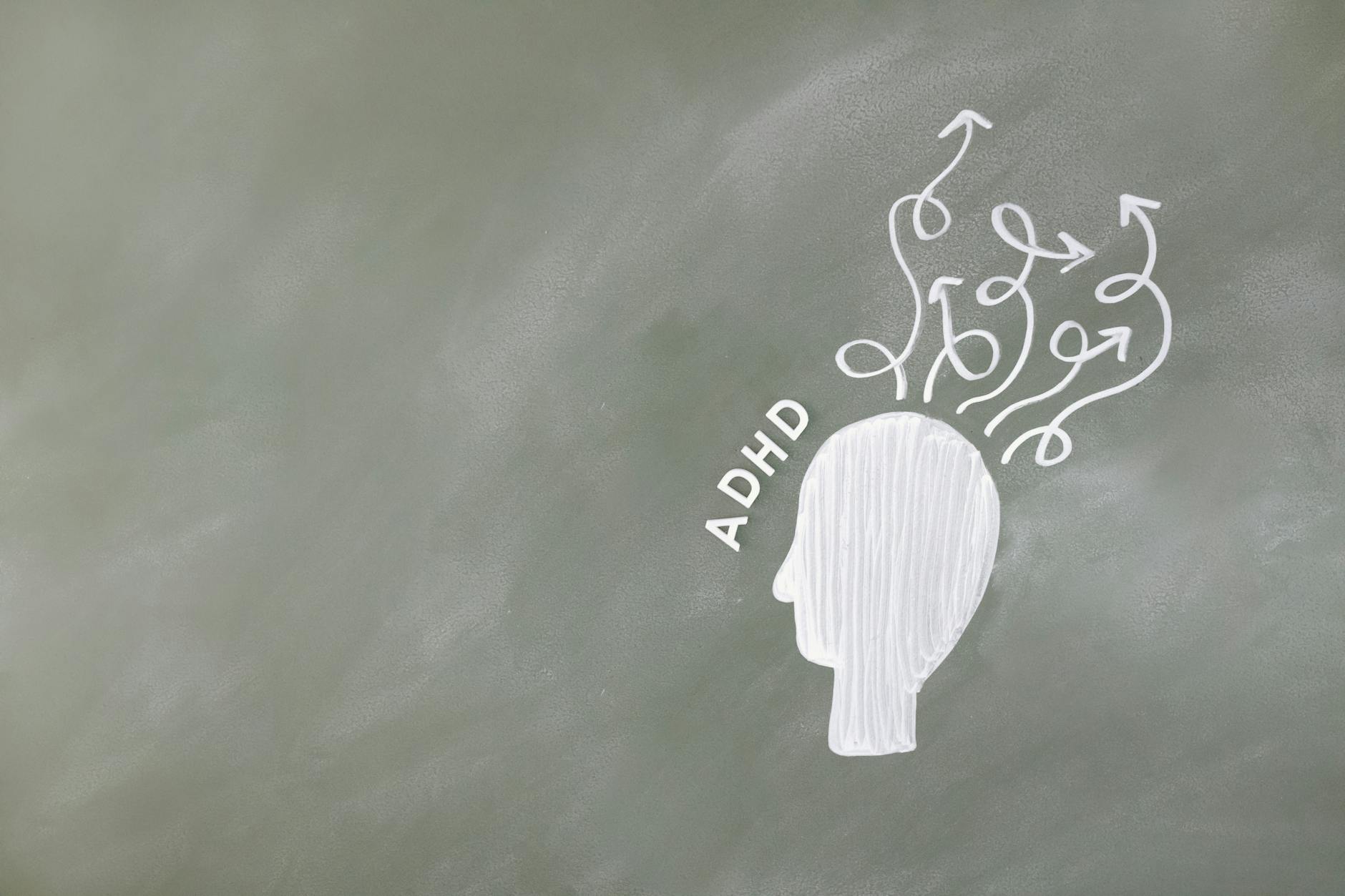
Before diving into solutions, we must first explore why ADHD profoundly affects emotions. Here lies a tale of the brain.
“ADHD involves unique neurobiological wiring,”
— Dr. Sarah Chen, Clinical Psychologist
She notes how the prefrontal cortex — the area responsible for emotional regulation and other executive functions — works differently in individuals with ADHD.
Research, including findings by the National Institute of Mental Health, highlights that adults with ADHD often experience amplified emotional sensitivity and reactivity. It’s more than just feeling deeply; it involves reacting to emotions with an unparalleled intensity that complicates tasks, relationships, and self-esteem.
Harnessing Mindfulness for Emotional Regulation
Ever felt caught in an emotional whirlwind? You’re not alone. Mindfulness, however, offers a ray of hope.
“Mindfulness doesn’t just help manage emotions; it transforms our engagement with them,”
— Dr. Lisa Brown, Mindfulness Coach
She elaborates on how mindfulness can rewire our response to emotional triggers, promoting a calm and thoughtful approach.
Scientific studies underscore this, noting that regular mindfulness practice enhances emotional regulation and diminishes stress — with the American Psychological Association emphasizing such benefits. For those with ADHD, this means creating intervals of pause, permitting emotions to settle before steering actions.
Implementing Mindfulness:
- Start Small: Devote just five minutes a day. Focus on your breath, acknowledging thoughts without judgment.
- Guided Meditations: Utilize apps like Headspace or Calm for tailored meditations to ground your practice.
- Mindful Journaling: Conclude the day with a brief reflection on your emotional landscape — a practice known to foster emotional clarity.
Cultivating Self-Compassion
Maya, a 28-year-old teacher and recent divorcee, shared how self-compassion pulled her from a cycle of self-criticism.
“I raced through life as if proving my worth every minute,”
— Maya, Educator
Learning self-compassion, she unearthed the freedom to be imperfect.
Self-compassion involves treating oneself with kindness during setbacks and recognizing that struggles are a universal human experience. The expansive research by Dr. Kristin Neff connects self-compassion to emotional resilience and mental well-being.
Embrace Self-Compassion:
- Affirmation Practice: Exchange self-criticism for affirmations of kindness like, “I’m doing my best, and that’s enough.”
- Perspective-Taking: Shield yourself by pondering, “What advice would I give a friend in this situation?”
- Compassionate Body Scan: Combine mindfulness and self-kindness by guiding attention through your body, adopting an affirming approach.
The Power of Routine
Establishing a predictable daily routine can serve as an emotional anchor. While an ADHD mind craves stimuli, amid chaos, a routine offers stability. Both personal anecdotes and research suggest that routines alleviate constant emotional overwhelm by setting a framework on which daily life can unfold smoothly.
Building a Supportive Routine:
- Start with Sleep: Prioritize a regular sleep schedule since sleep disturbances intensify emotional dysregulation, as evidenced by the CDC.
- Morning Ritual: Incorporate calming activities such as stretching or savoring a quiet cup of coffee.
- Regular Breaks: Scheduled breaks enhance focus and provide emotional resets throughout the day.
Building an Emotional Toolkit
Another potent strategy involves crafting a personalized emotional toolkit — a collection of quick interventions and comforts. This toolkit empowers emotional wellness by preparing proactive responses to inevitable stressors.
Crafting Your Kit:
- Music and Sound: Compile playlists with tracks that soothe or invigorate.
- Sensory Aids: Items like stress balls or weighted blankets can offer immediate physical comfort.
- Call a Friend: Social connections are crucial. Whether through quick chats or planned meet-ups, friends offer perspective and support.
Seeking Professional Guidance
Never underestimate the value of expert support. Therapy and coaching provide tailored strategies for emotional regulation. Cognitive-behavioral therapy (CBT), particularly effective for ADHD, bolsters emotional awareness and coping mechanisms.
“Therapy offers a space for exploration and growth,”
— Dr. Alex Martinez, ADHD Therapist
Lean on Support Networks
Finally, don’t traverse this path alone. Embrace support groups, both in-person and online, where shared experiences and coping strategies abound. The ADHD community offers a wealth of empathy and insight — an invaluable resource on this journey.
Practical Strategies for Emotional Wellness
- Digital Detox: Limit screen time to stave off information overload and emotional burnout.
- Diet and Exercise: Regular physical activity and a balanced diet significantly influence mood stabilization, as noted by Harvard Health.
- Gratitude Journaling: A daily gratitude practice enhances happiness and emotional resilience by refocusing attention on positivity.
The Way Forward: Thriving with ADHD
Emotional wellness with ADHD might seem like an uphill journey, yet with the right tools and outlook, it transforms into a fulfilling journey of self-discovery and growth. Remember, it’s perfectly okay to take one mindful step at a time. Progress, however small, fosters emotional resilience and deeper self-awareness.
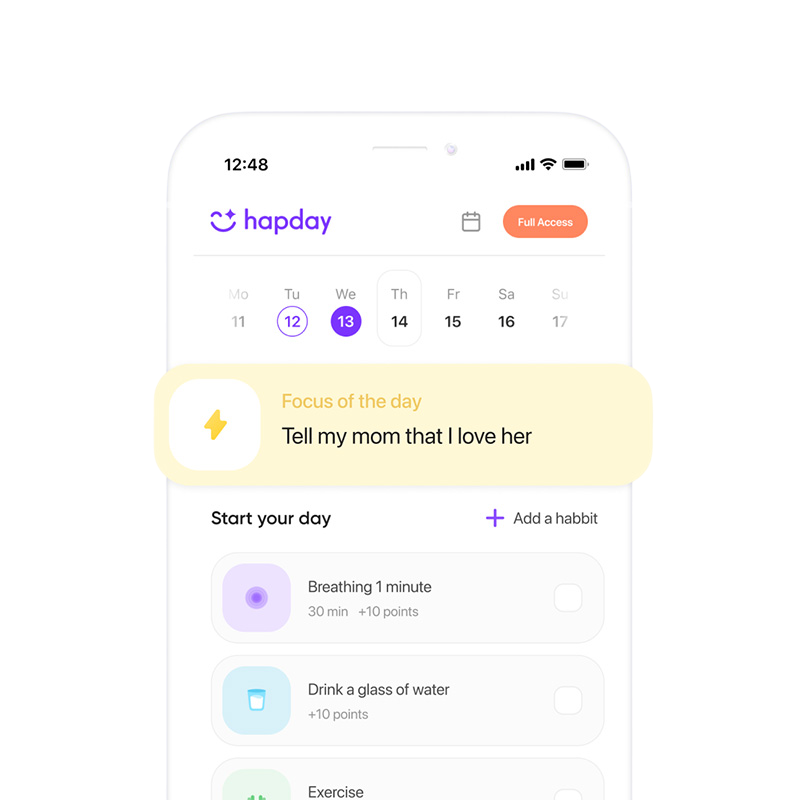
As you embark on cultivating your emotional wellness, consider Sunrise — ADHD Coach. This app provides personalized coaching, habit tracking, and AI-powered tools to streamline your journey.
Key Takeaways
- Understanding the ADHD emotional brain is crucial for navigating feelings.
- Mindfulness can effectively enhance emotional regulation.
- Self-compassion is essential for reducing self-criticism and fostering resilience.
- Establishing a routine helps to provide stability amidst emotional chaos.
- Building a personal emotional toolkit can offer valuable support during challenging times.
The Bottom Line
Embracing emotional wellness with ADHD involves understanding your unique experiences, establishing mindfulness practices, and fostering self-compassion. With support and the right strategies, thriving with ADHD is not just possible; it can be profoundly rewarding.