




Table of Contents
- Understanding ADHD and Procrastination
- Effective ADHD Focus Strategies
- Understanding Procrastination Triggers
- Overcoming Emotional Hurdles
- Seeking Professional Support
- Conclusion
Understanding ADHD and Procrastination
Attention Deficit Hyperactivity Disorder (ADHD) is a neurodevelopmental condition impacting both adults and children, marked by symptoms like inattention, hyperactivity, and impulsivity. Procrastination is a significant challenge within ADHD, often arising from difficulties with executive function. What is this exactly? It’s the collection of mental skills that help us plan, focus, remember instructions, and juggle tasks. Acknowledging these challenges is crucial to overcoming procrastination. Remember back in 2018, the Janssen et al. study? It showed that those with ADHD often have unique procrastination patterns due to impaired self-regulation and time management. Recognizing these patterns allows us to tailor strategies to bolster productivity and sharpen focus.
Effective ADHD Focus Strategies
-
Break Tasks into Manageable Steps
All or nothing, right? Wrong. This mindset can be overwhelming. Break tasks into smaller, actionable steps. The Pomodoro Technique—25 minutes of focused work followed by a 5-minute break—can be a lifesaver. Keeps the mind fresh. -
Leverage Technology Wisely
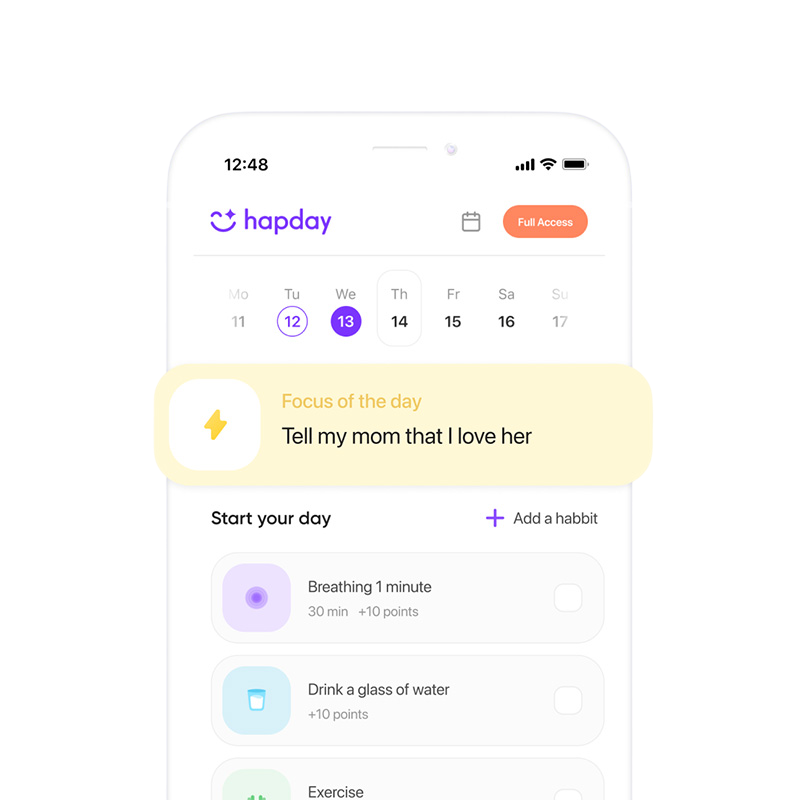
We’ve all been distracted by tech, but it can also be a powerful ally. Apps like Forest and Trello are designed to aid focus, turning task management into engaging activities. Ever tried them? -
Create a Simplified To-Do List
Endless lists? Not helpful. Prioritizing tasks ensures focus on what truly matters. Organize lists by daily, weekly, and monthly priorities to sustain clarity and motivation. -
Establish Consistent Routines
A Wilson et al. (2017) study found that consistent routines can enhance focus and behavioral outcomes in adults with ADHD. Regular sleep, exercise, and meal schedules can work wonders. -
Mindfulness and Meditation
Mindful practices? They can boost attention and decrease impulsivity. 2017 Mindfulness Journal research showed improved self-regulation and focus through mindfulness meditation. Even five minutes daily can center the mind. -
Environment Optimization
Your workspace matters. Minimizing distractions through noise-canceling headphones, decluttering, or adding soothing elements like plants can enhance focus.
Understanding Procrastination Triggers
Certain conditions exacerbate procrastination for individuals with ADHD. Understanding and recognizing these triggers are vital. Daunting task loads, fear of failure, or lack of interest? These need to be identified to proactively devise counter-strategies.
Overcoming Emotional Hurdles
Emotional dysregulation is common in ADHD. Anxiety and stress from piled-up tasks can lead to procrastination. Techniques like Cognitive Behavioral Therapy (CBT) often come to the rescue. Remember what Berking et al. (2018) said? CBT interventions have shown success in reducing symptoms and enhancing emotional regulation.
Seeking Professional Support
Sometimes, external help is necessary. Therapy and coaching provide personalized guidance and detailed plans based on individual needs. Professional support can offer clarity and direction in tackling ADHD-specific hurdles.
Conclusion
While ADHD brings unique challenges, especially regarding procrastination, these obstacles are not insurmountable. By adopting effective ADHD focus strategies—structured routines, mindfulness, and wise use of technology—we can enhance productivity and focus. The journey to overcoming procrastination is deeply personal, and it’s entirely okay to seek professional support when needed.
Turn those challenges into opportunities. Embark on your journey to a more productive, focused life today.
References:
- Janssen, I. et al. (2018). ADHD in adults and its association with procrastination. PubMed.
- Wilson, J. et al. (2017). Daily routines and focus improvement. SAGE Publications.
- Mindfulness Journal Study (2017). Mindfulness meditation and ADHD. Springer.
- Berking, M. et al. (2018). Emotional regulation and ADHD: A CBT approach. Cambridge Core.