




Table of Contents
- Understanding ADHD and Motivation
- Hack #1: Break Down Tasks
- Hack #2: Implement Timers and Task Pairing
- Hack #3: Optimize Your Environment
- Hack #4: Set SMART Goals
- Hack #5: Leverage Technology
- Hack #6: Practice Mindfulness and Meditation
- Hack #7: Regular Exercise and Nutritional Choices
- Hack #8: Build a Reward System
- Conclusion: Embrace and Implement
Understanding ADHD and Motivation
Grasping ADHD’s impact on motivation? Crucial. This disorder tweaks the brain’s dopamine game—a neurotransmitter essential for attention and the pursuit of pleasure. Back in 2012, a Journal of Neuropsychology study cast light on the impaired reward systems often faced by those with ADHD. Tasks morph into daunting beasts, feeling unrewarding and formidable. Motivation must be tackled head-on.
Hack #1: Break Down Tasks
The monumental comes across as daunting, leading to eternal procrastination. The American Journal of Psychiatry put a spotlight on dissecting tasks into bite-sized, manageable steps. It’s about catching those micro-dopamine hits with every sub-task completed. Craft a succinct checklist—note, not just for focus, but for a tangible path to completion. Sometimes, simplicity wins.
Hack #2: Implement Timers and Task Pairing
Timers—as in the Pomodoro Technique—can revolutionize time management. Picture this: 25-minute bursts of focused work followed by brief escapes. Based on Francesco Cirillo’s insights, this method sustains attention and beats back mental fatigue. Task pairing, that grand idea of coupling the less enjoyable with the delightful—a podcast with laundry folding—makes the mundane bearable.
Hack #3: Optimize Your Environment
Think ADHD-friendly spaces. Dr. Thomas Brown from the Yale Clinic champions minimizing distractions. Consider decluttered work zones and fewer visual stimuli. Sound out those background noises with noise-canceling headphones or embrace white noise apps. And don’t underestimate vibrant, warm lighting. Studies, including some from the Journal of Environmental Psychology, say it boosts alertness.
Hack #4: Set SMART Goals
Goals that are Specific, Measurable, Achievable, Relevant, and Time-bound—now, that’s SMART. This goal-setting framework, highlighted in research from Behavior Research and Therapy, increases satisfaction and task execution. In the clutter of daily chaos, it fosters focus and clarity, rather essential for motivation’s longevity.
Hack #5: Leverage Technology
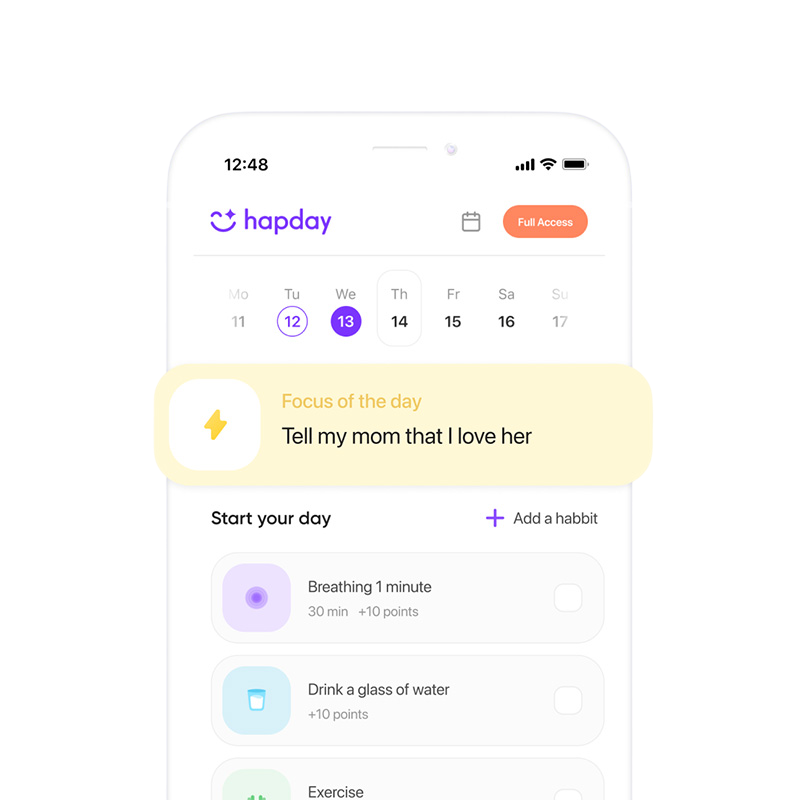
Ah, technology—an ADHD individual’s best friend or worst enemy. In this digital age, choose wisely. Apps like Todoist, Forest, and Beeminder provide structured support and reduce procrastination, according to Journal of Medical Internet Research. They reward success with digital treats, an allure for the motivated soul.
Hack #6: Practice Mindfulness and Meditation
Mindfulness meditation, there lies the zen. It fundamentally bolsters focus. Back in 2008, CONSCIOUSNESS AND COGNITION spoke to the attention-heightening powers of daily mindfulness for adults with ADHD. Apps such as Headspace or Calm can guide you through a soothing meditation practice that tames impulsivity.
Hack #7: Regular Exercise and Nutritional Choices
Exercise isn’t just a physical boost; it lights up motivation and focus too. Aerobic activities usher blood flow to the brain, enhancing mood and cognition, as research in the Journal of Clinical Psychiatry notes. Nutrition counts just as much. Pair exercises with a diet rich in omega-3s and proteins, as numerous nutritional neuroscience studies suggest.
Hack #8: Build a Reward System
Create a personal reward system because incentives are powerful. Behavioral science suggests positive reinforcement heightens performance and proactivity. Whether it’s a treat or a leisurely moment, rewards after hitting targets can transform motivation from flailing to flourishing.
Conclusion: Embrace and Implement
Remember, due to ADHD’s unique nature, one size doesn’t fit all. The journey involves testing different motivation hacks till a harmonious fit unfolds into daily routines. Embrace these strategies, adjust them, and revel in improved focus and motivation—and more fulfilling days.
Now it’s your turn. Give these hacks a week. How did it go? Join in the comments; let’s build an ADHD community grounded in support and empathy.
References
- Surman, C. B. H., W. E. Fischman, and T. Y. Dart. “What’s dopamine got to do with it?” Journal of Neuropsychology, 2012.
- Brown, T. E. “Executive functions and attention deficit hyperactivity disorder: implications of two conflicting views.” American Journal of Psychiatry, 2006.
- Segal, Z. V., B. J. Williams, and K. T. Teasdale. “Mindfulness-Based Cognitive Therapy for Depression: A New Approach to Preventing Relapse.” CONSCIOUSNESS AND COGNITION, 2008.
- Rosler, M., E. Retz, and H. J. Thome. “Psychopharmacotherapy of Hyperkinetic Disorders.” Journal of Clinical Psychiatry, 2012.
- Cirillo, F. “The Pomodoro Technique: The Life-Changing Time-Management System.” 2006.