




The first laugh by the coffee machine snaps your attention like a rubber band. A stapler pops. Someone narrates their weekend. Slack pings again. Your cursor blinks at the end of a half-finished sentence that was so clear two minutes ago. If you live with ADHD, you probably know this tug-of-war well—wanting deep work while your senses light up like Times Square. You’re not broken. You’re human, with an ADHD nervous system doing exactly what it’s wired to do. There are ways to reclaim your brain even in the loudest open-plan office. And yes, they’re practical.
Table of Contents
- Introduction
- Why noise hits differently when you have ADHD
- ADHD Focus Strategies: build a soundscape you can live in
- Rethink attention: focus sprints with built-in recovery
- Shape the visual and spatial environment to dampen distractions
- ADHD Focus Strategies for social noise: scripts and boundaries that feel human
- On-the-spot reset tools for overwhelm
- ADHD Focus Strategies for tech boundaries
- Fuel the system: sleep, movement, and breaks matter more than you think
- Medication and accommodations: legitimate tools, not last resorts
- Body doubling and shared focus
- Your personal playbook: stitch these pieces together
- A final word on self-trust
- The Bottom Line
- Summary + CTA
- References
Key Takeaways
- Mask unpredictable office noise with consistent sound (pink/brown noise, steady music) and good isolation.
- Work in short, timeboxed sprints with real breaks to reduce task-switching costs.
- Use clear scripts and visual signals to set humane boundaries around interruptions.
- Protect attention by decluttering visuals, taming tech notifications, and honoring sleep/movement.
- Consider medication and workplace accommodations as valid tools to enable your best work.
Introduction
Open offices bombard attention—especially for ADHD brains that are responsive to novelty and change. Instead of “toughing it out,” you can change inputs, pace, and boundaries to reduce distraction and protect your energy. This guide shows practical ways to make a noisy office workable.
Why noise hits differently when you have ADHD
ADHD involves differences in attention regulation, working memory, and impulse control. Sudden shifts in sound, light, or movement can feel “louder” to the brain—like the volume knob keeps nudging upward without your consent. The National Institute of Mental Health notes that distractibility is a core feature, rooted in neurobiology rather than willpower. In my view, open offices ask too much of an already taxed nervous system.
Noise itself is a stressor. The World Health Organization has warned for years that environmental noise elevates stress hormones and carries long-term health risks. Harvard Health points to persistent noise raising blood pressure and triggering fight-or-flight—conditions that don’t pair well with spreadsheets or strategy decks. Add ADHD’s responsiveness to novelty and you get a perfect storm.
“The ADHD brain tags novelty and unpredictability as high-value. Every giggle, ringtone, and swivel-chair squeak can act like a notification your brain thinks it should check. This isn’t a character flaw; it’s a very responsive orienting system.”
— Dr. Aisha Morgan, Board-Certified Psychiatrist
If this sounds familiar, the goal isn’t to “tough it out.” It’s to change inputs, pace, and boundaries so your brain has fewer reasons to swivel toward every sound. Back in 2021, updated WHO guidance on environmental noise made the same case: adjust the setting, reduce the harm.
ADHD Focus Strategies: build a soundscape you can live in
Why it works: Sudden or meaningful sounds yank attention because your brain is wired to notice surprise. Masking those peaks with consistent, low-level sound turns sudden into predictable. Many people with ADHD report that steady pink or brown noise—or deliberately chosen music—lowers the “startle” factor and pushes office hum into the background. Even if noise-cancelling can’t erase all sound, it can shrink low-frequency rumble enough to reduce fatigue. My bias here: sound is the fastest lever most offices overlook.
“Active noise-cancelling handles steady low-frequency noise—HVAC, traffic, background chatter—while passive isolation blocks higher-frequency bursts like keyboard clacks. You don’t have to spend a fortune; fit and consistency matter most.”
— Daniel Park, AuD, Audiologist
- Try “color” noise. Pink and brown noise are softer and less hissy than white noise. Test a 50–60 dB level (about quiet conversation) so it masks without overwhelming.
- Curate task-specific playlists. For writing, pick instrumental beats at a consistent tempo. For admin tasks, gentle lo-fi. If lyrics snag your attention, avoid them.
- Use adaptive gear. Over-ear noise-cancelling headphones with transparency modes let you mix awareness with masking. On louder days, pair earplugs with over-ears.
- Cue your brain with a sound ritual. The same “focus” track at the start of each work sprint reinforces a habit loop: this sound = time to work.
Real-world example: Jamal, 31, a software engineer, hit a wall in his open office. After testing a few apps, he settled on brown noise at low volume under noise-cancelling headphones. He added a 10-minute pre-code playlist he only plays when he’s about to build. “By the third day, my brain started ‘sliding’ into code mode when the playlist started,” he says. “The office didn’t change. My inputs did.” That’s the trick: control what you can, consistently.
Rethink attention: focus sprints with built-in recovery
Why it works: ADHD brains tend to sprint, not marathon. Short, time-bound bursts with a visible endpoint harness urgency and reduce the dread of “sit here and be perfect for three hours.” The American Psychological Association has repeatedly found we don’t truly multitask; we switch, and every switch adds a cognitive tax that slows output and boosts errors. By committing to one target for 25–40 minutes and guarding it from interruptions, you reduce switch cost while giving your dopamine system a clean reward on the other side. If you can see the finish line, you’re far more likely to run.
- Pick a sprint length your brain believes. Common cycles: 25/5, 40/10, or 52/17. Start smaller, lengthen if it remains doable.
- Choose one target per sprint: finish three slides, process 10 emails, outline a proposal section.
- Stack your sound plan. Headphones on; pink noise or your sprint playlist; notifications off or bundled to break time.
- Park stray thoughts. Keep a capture list on paper. When you remember the lightbulbs you need, dump it and return to task.
- Reward the switch. Breaks are not optional. Stretch, hydrate, step outside—movement resets attention.
“We design for frictionless starts. If you make the first two minutes of a sprint unbelievably easy—headphones on, one document open, one line to write—you sidestep perfectionism and let momentum carry you.”
— Tara Nguyen, ADHD Coach and Occupational Therapist
Shape the visual and spatial environment to dampen distractions
Why it works: Visual clutter competes for working memory. An ADHD brain already juggling noise doesn’t need a desk piled with “shoulds.” Simplifying what’s in your line of sight reduces novelty hits and protects attention bandwidth. Even micro-changes matter: a portable privacy panel, a different seat orientation, or a single-task desk setup.
- Declutter to default. Sweep everything non-essential off your desk into a bin. Only return what you used this week.
- Face away from high-traffic zones if possible. A different desk angle—or a laptop stand that narrows your field of view—cuts motion in your periphery.
- Use a visual “focus flag.” A small desk sign or colored cube signals “heads down” time to coworkers without awkwardness.
- Carry a pop-up shield. Foldable desk dividers or even a spare hoodie on a chair back can reduce motion in your view.
ADHD Focus Strategies for social noise: scripts and boundaries that feel human
Why it works: Interruptions from people can be trickier than random sounds. They’re meaningful—and you want to be approachable. Clear, kind boundaries reduce the social friction of saying no in the moment, which can feel hard with ADHD impulsivity. Rehearsed scripts externalize the effort so you’re not inventing words while your attention is under siege.
Try these:
- With teammates: “I’m on a 30-minute focus sprint and want to give you my full attention—can I swing by at 11:30?”
- With your manager: “Noisy days knock out my deep work. Could we block two quiet chunks on my calendar each week so I can deliver better drafts faster?”
- With yourself: “I finish this paragraph, then I check Slack.” Put the agreement on a sticky note in view.
Example: When Maya, 28, went through her divorce while ramping up at a new job, she found herself saying yes to every desk-side chat because she didn’t want to seem cold. After practicing one sentence—“I want to hear this; can we talk at 2?”—she noticed fewer mid-sprint derailments and less resentment. “It felt weirdly powerful to be warm and clear,” she says. Open-plan setups can reduce real collaboration; boundaries help you reclaim the part that actually matters.
On-the-spot reset tools for overwhelm
Why it works: Noise doesn’t just distract; it can tip your nervous system into threat mode. Breathwork and grounding exercises dial down that sympathetic surge. Over time, mindfulness practices are associated with lower stress reactivity and improved attention regulation. A 60-second reset can change the trajectory of a whole day—it’s first aid, not fluff.
Try a three-step reset:
- 4-4-6 breath: Inhale 4, hold 4, exhale 6, repeat 4 times. Longer exhales tell your body it’s safe.
- 5-sense scan: Name 5 things you see, 4 you feel, 3 you hear, 2 you smell, 1 you taste. This anchors attention to the present.
- Micro-move: Walk to fill your water, do 10 slow shoulder rolls, or step outside for 60 seconds. Movement discharges stress chemistry.
ADHD Focus Strategies for tech boundaries
Why it works: Your phone and computer are noise machines even when they’re silent. Visual alerts, badges, and background tabs all ping your novelty radar. The research on task switching is blunt: every glance costs you. Protecting your sprints from digital noise is as important as blocking office chatter.
- Batch notifications. Set do-not-disturb during sprints, and allow only critical callers through.
- Use one-tab mode. Keep a single active window in full-screen during deep work.
- Create a “landing page.” When you open your browser, route to a blank page or a document—not your inbox or the news.
- Schedule inbox windows. Two or three 15-minute checks beat constant grazing.
Fuel the system: sleep, movement, and breaks matter more than you think
Why it works: Sleep and movement influence attention, emotional regulation, and sensitivity to sensory input. Public health agencies repeatedly recommend at least seven hours for adults; too little sleep worsens attention lapses and irritability. Regular exercise, even short bouts, can improve mood and cognitive function by nudging the brain chemicals that underwrite attention and motivation. Rule of thumb: physiology before productivity.
- Defend a wind-down window. Dim lights, park your phone, and repeat the same 15-minute routine each night.
- Move before mental marathons. Even a brisk 10-minute walk can prime attention.
- Eat steady. Protein and fiber at lunch blunt energy crashes that magnify noise sensitivity. Hydration helps more than most of us admit.
Medication and accommodations: legitimate tools, not last resorts
Why it works: For many adults, ADHD medication reduces distractibility and improves sustained attention. Stimulants and certain nonstimulants can be effective when prescribed and monitored by a clinician. If you’re medicated, timing doses so they cover your deepest work windows can help you ride out office chaos more smoothly. Tools that work are worth using.
Workplace accommodations also exist for a reason. ADHD is covered under disability law, and reasonable adjustments—quiet rooms for deep work, noise-cancelling headphones, flexible scheduling, or a seat away from high-traffic areas—can be requested without drama. No wonder many teams perform better with targeted quiet. Learn your rights and options.
- Ask for “quiet blocks.” Two 90-minute windows per week in a conference room can transform output.
- Request seat adjustments. Near a wall, away from the break room, or beside fewer pass-throughs.
- Document what helps. Track which changes boost your deliverables; this gives your manager clear ROI.
“Accommodations aren’t about special treatment; they’re about equal access to your best work. If reducing noise helps you produce higher-quality results, that’s a benefit to everyone.”
— Dr. Elena Ruiz, Clinical Psychologist
Body doubling and shared focus
Why it works: Many ADHD brains lock in better when someone else is quietly working nearby. The social presence acts like scaffolding: less room to drift, more friction against impulsive task-switching. It’s also a gentle accountability loop.
- Book a shared-focus slot with a colleague. State targets at the start, check in at the end.
- Try virtual co-working. Camera on or off, chat muted, goals posted in the chat box.
- Combine with your sound plan. Headphones on; brief check-ins only at the edges.
Your personal playbook: stitch these pieces together
Rather than one silver bullet, think of ADHD Focus Strategies as a layered defense:
- Sensory: noise-cancelling + masking sound + visual simplification
- Time: realistic sprints + recovery breaks + tech boundaries
- Social: clear scripts + body doubling + scheduled availability
- Systemic: sleep + movement + hydration + medication (if appropriate)
- Structural: accommodations + seat/location tweaks + quiet rooms
Build it like a DJ sets a room: start with the baseline (sound), add a rhythm (time), bring in supporting vocals (social cues), and adjust the levels as the day changes. The smartest playbook is the one you’ll actually use.
A final word on self-trust
You might be feeling like the world wasn’t designed for your brain. In many ways, it wasn’t. But your brain also wasn’t designed to grind under fluorescent lights beside a popcorn machine of conversations. You’re allowed to engineer your environment. You’re allowed to ask for what helps. And you’re allowed to experiment until you find the small set of practices that let you do remarkable work.
ADHD Focus Strategies only matter if they respect your lived experience: that starts with compassion and builds with data. Start with one tiny change—a pink noise track, a 25-minute sprint, or a two-sentence boundary—and give it a week. Your attention is not fragile; it’s responsive. Shape the inputs, and watch it respond.
The Bottom Line
Noisy offices amplify ADHD challenges—but steady masking sound, realistic sprints, clear boundaries, and body-based resets can reclaim focus. Support your physiology, use tools that work (including medication and accommodations), and layer strategies you can repeat. Small, consistent changes beat heroic willpower.
Summary + CTA
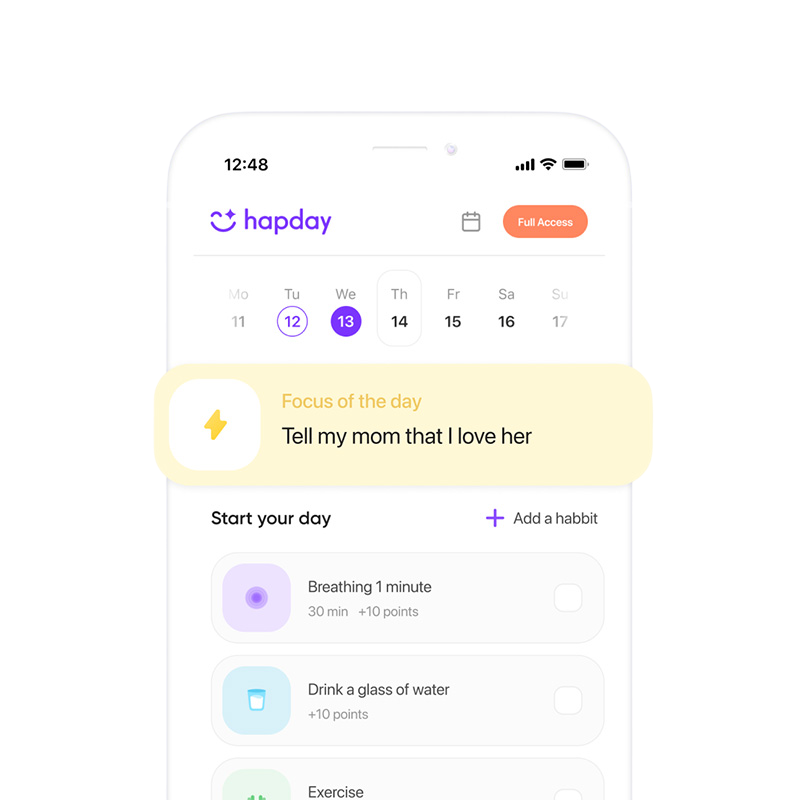
Open offices don’t have to run your day. Layer sound-masking, timeboxed sprints, clear scripts, and body-based resets to protect attention and energy. Anchor the routine to your physiology—sleep, food, movement—and use accommodations or medication if they help you deliver your best. Want a structure that actually sticks? Download Sunrise – ADHD Coach for habit tracking, focus timers, and AI daily planning: https://apps.apple.com/app/adhd-coach-planner-sunrise/id1542353302
References
- National Institute of Mental Health (NIMH) — ADHD Overview and Treatments
- World Health Organization — Noise and Health
- Harvard Health Publishing — Why noise is bad for your heart
- American Psychological Association — Multitasking: Switching costs
- Centers for Disease Control and Prevention — How Much Sleep Do I Need?
- National Heart, Lung, and Blood Institute (NIH) — Sleep Deprivation and Deficiency
- Harvard Health Publishing — Exercise improves memory and thinking skills
- National Center for Complementary and Integrative Health (NIH) — Mindfulness Meditation: What You Need To Know
- Mayo Clinic — ADHD symptoms and causes
- ADA.gov — Employment and the ADA