





Table of Contents
- Unraveling ADHD Brain Fog
- Why Does It Happen?
- Spotting the Signs of ADHD Brain Fog
- Practical Strategies to Clear ADHD Brain Fog
- The Power of Mindful Rituals
- Connection and Support
- When to Call in Professionals
- Stepping into Tomorrow
- The Bottom Line
- References
Unraveling ADHD Brain Fog
ADHD brain fog is more than a fleeting feeling of being “off”—it’s an intricate entanglement of mental fatigue, lapsing memory, and clouded cognition.
“ADHD brain fog transcends distraction, embedding itself deeper into the brain’s executive capacities.”
— Dr. Andrew Kline, Psychiatrist
It’s a bit like trying to navigate through a mental swamp.
Why Does It Happen?
To effectively tackle brain fog, you have to understand its roots. ADHD is tangled within atypical neurotransmitter dynamics, involving dopamine and norepinephrine—vital for focus and alertness. The National Institute of Mental Health elaborates on this: these imbalances can disrupt information flow, leading to that pesky, bewildering fog.
Spotting the Signs of ADHD Brain Fog
Is it mere tiredness or something more? ADHD brain fog often dons a few unmistakable features:
- Erratic memory: Perfectly clear on last week’s random detail but drawing a total blank on breakfast.
- Struggles with task juggling: Flitting from one task to another might feel like climbing Everest, leaving trails of half-done chores.
- A wandering mind: When focus is all you crave, your thoughts drift away—leading to prolonged stares at screens or blank pages.
Maya, a 28-year-old designer from Portland, illustrates this vividly:
“One moment I can conquer worlds with my focus; the next, I’m puzzled over sending a simple email.”
— Maya, Designer
Practical Strategies to Clear ADHD Brain Fog
Let’s wander through some time-tested strategies to ward off the fog and reclaim clarity.
Embrace Self-Compassion
First things first—brain fog doesn’t diminish your worth or skills. Practicing self-kindness lifts the fog’s impact.
“Self-compassion lowers stress in the brain, easing brain fog and promoting growth over guilt.”
— Dr. Lisa Brown, Clinical Psychologist
Craft a Structured Environment
Orderly spaces can unclutter your mind. Commit to routines—dedicate zones for work and repose. Planners and digital aides can be allies in charting your day.
Harness Technology’s Edge
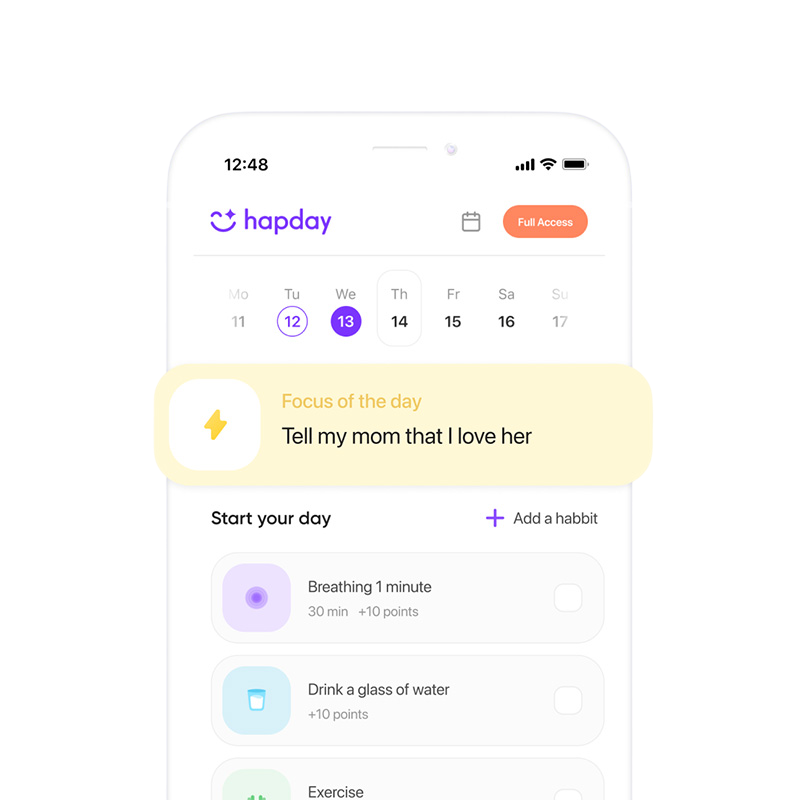
Productivity apps—tailored for ADHD—beckon with reminders, timers, and personalized plans. Tools like Trello or Todoist compartmentalize unwieldy tasks into digestible fractions.
Optimize Sensory Settings
The fog feeds on sensory chaos. Refine your backdrop with white noise, soothing tunes, and unobtrusive illumination.
By tempering stimuli, you concentrate better, bolstered with memory retention.
Nutrition and Physical Activity
Fuel your mind with focus-enhancing foods like nuts, leafy greens, and omega-rich fare. Regular movement spikes blood flow—attuning cognitive functions.
The Power of Mindful Rituals
Incorporate mindfulness—meditation and breathwork—as cornerstones for clarity amidst chaos. Over time, they stretch focus and stabilize emotions.
“Brief daily meditations reanchor the mind, balancing emotional and cognitive fog symptoms.”
— Dr. Sarah Chen, NYU
Many apps curate tailored mindful experiences for ADHD.
Dedicate mornings to guided meditations, attuning breath-focus to prime the mind for the day.
Connection and Support
Tethering with those who relate can ground you profoundly. Whether in shared circles or soulful conversations, community breeds companionship and pragmatic wisdom.
Shared empathy and guidance quash isolation and lower brain fog’s frequency.
Maya found solace—and productivity—through such a group:
“Exchanging tricks and knowing I’m understood by peers transformed everything.”
— Maya, Designer
When to Call in Professionals
Should brain fog persistently disrupt, consider professional intervention. A psychologist or psychiatrist focused on ADHD can tailor strategies or, if needed, suggest medication.
ADHD meds, like stimulants and non-stimulants, enhance dopamine and norepinephrine signaling, mitigating the fog.
Stepping into Tomorrow
Navigating life with ADHD isn’t about banishing the fog—it’s learning to dance with it. By embracing bespoke strategies and fostering strong networks, clarity becomes a friend, not a fleeting visitor.
Taking bold strides—acknowledging the fog, wielding technology, and nurturing balanced routines—strengthens your grip on daily life. In time, you will discover the symbiosis of these tools with your unique mind.
If this resonates, consider Sunrise – ADHD Coach. The app, steeped in ADHD-friendly design, tracks habits, empowers focus, and provides AI-driven plans to quash brain fog. It’s available here: Sunrise on the App Store.
Key Takeaways
- ADHD brain fog involves mental fatigue, memory lapses, and clouded cognition.
- Understanding neurotransmitter dynamics helps tackle brain fog.
- Structured environments and technology can alleviate ADHD challenges.
- Mindfulness and connection with others can enhance clarity.
- Seek professional advice when brain fog disrupts daily life.
The Bottom Line
Learning to navigate ADHD brain fog requires a mix of self-compassion, structured approaches, and community support. By employing effective strategies and seeking help when needed, you can regain control over your daily life and enhance your clarity.
References