





Picture this. It’s 7 a.m., and your alarm buzzes insistently — but the siren song of your warm bed pulls you back, its embrace almost impossible to resist. Snooze… just five more minutes, right? Maybe more. For anyone wrestling with ADHD, mornings like these can seem like skirmishes — battles that demand a clever game plan. Navigating the day with ADHD isn’t just about doing; it’s about forging strategies tailored to your unique challenges.
To truly thrive with Attention Deficit Hyperactivity Disorder, recognizing the pivotal role of self-care is essential. It’s what steadies the day, fostering productivity and a balanced mind. So, let’s dive into some self-care strategies — blending expert opinions, factual insights, and a splash of real-life anecdotes.
Table of Contents
- Recognize and Embrace Your Brain’s Unique Wiring
- Building a Routine: The Backbone of Wellness
- Mindfulness and Meditation: Calming the Mental Chatter
- Nutrition: Feeding the Brain
- Physical Activity: More than Just Fitness
- Community and Connection: You Are Not Alone
- Sleep: The Ultimate Recharge
- Time Management: Practical Tools for ADHD Minds
- Closing the Loop: Finding Your Path to Wellness
- The Bottom Line
Key Takeaways
- Understanding ADHD as a unique brain wiring can empower individuals to develop tailored self-care routines.
- Building structured routines helps in managing decision fatigue and enhances focus.
- Mindfulness and meditation can reduce ADHD symptoms by improving attention and emotional regulation.
- Nutrition plays a crucial role in managing ADHD symptoms; a balanced diet can significantly improve brain function.
- Establishing community connections provides motivation and accountability to those coping with ADHD.
Recognize and Embrace Your Brain’s Unique Wiring
Meet Jessica. At 32, this freelance designer was newly diagnosed with ADHD, sparking feelings of confusion and isolation. Discovering that your brain functions differently from the norm? It can be a rollercoaster of doubt and discovery. Yet, the realization that ADHD’s a neurological variance—and not a flaw—offers a profound sense of empowerment.
“Once you grasp that your brain processes information uniquely, you can start forming self-care routines that truly align with your natural way of functioning. This understanding really cuts down on stress and boosts motivation.”
— Dr. Sarah Chen, Clinical Psychologist at NYU
Building a Routine: The Backbone of Wellness
Routines — they sometimes sound dull, even stifling, particularly when sticking to them isn’t straightforward. Nonetheless, they’re foundational to ADHD self-care, acting as a safeguard against the chaos of decision-making that’s all too common for those of us scrapping for focus.
Why It Works: Routines sharply cut through decision fatigue. A study from Brown University pinpointed how structured environments lift cognitive focus. Isn’t that something?
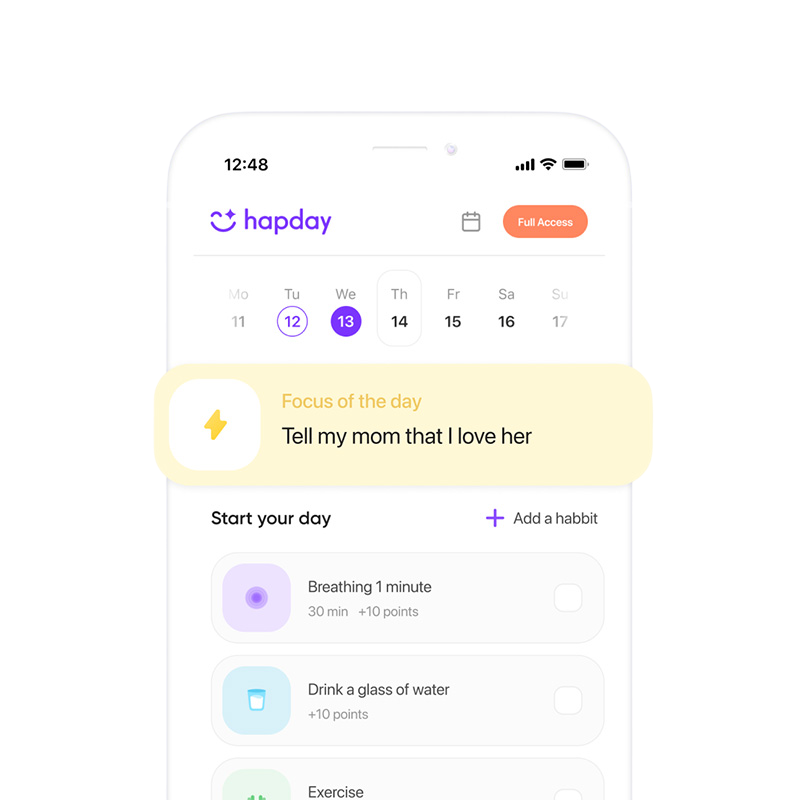
How to Implement: Begin small. Craft a morning ritual—possibly starting with a gentle stretch, a steamy shower, and a nutritious breakfast. Use visual props or digital helpers to track your steps, giving yourself a nod of appreciation as each action solidifies into a habit.
Mindfulness and Meditation: Calming the Mental Chatter
Skeptical about meditation? Sure, it’s advised frequently. But for good reason. Take Maya, who, at 28, faced the dual challenges of a recent divorce and managing ADHD. Meditation became her refuge, guiding her to serenity amidst life’s tumult. It offers an oasis to pause, collect errant thoughts, and soothe emotions.
The Science Behind It: Consistent mindfulness has shown to lessen ADHD symptoms, sharpening attention and curbing impulsivity. A credible nod from the National Institutes of Health reinforces this.
Mindfulness Practice Suggestions: Start with brief, guided meditations easily found online. Dedicate a sliver of morning time or end your evening with focused breathing. Pair reminders with daily rituals—say, your morning brew—to maintain these practices.
Nutrition: Feeding the Brain
Ever hit that dreaded mid-afternoon slump, when focus and energy vanish like a mirage? Nutrition is a vital yet often overlooked aspect of ADHD self-care. Missing nutrients can intensify ADHD symptoms, underscoring the need for a diet that truly nourishes.
Why Nutrition Matters: Nutrients like Omega-3s positively influence mood balance and mental function. Mayo Clinic throws its weight behind this claim, too.
Diet Tweaks for Better Focus: Infuse your meals with more fish, nuts, whole grains, and vibrant greens. Think balance, not restriction. Fuel your body and brain with the goodness it deserves.
Physical Activity: More than Just Fitness
Exercise isn’t only about staying in shape. When it comes to ADHD, it’s the endorphins—the body’s own happiness cocktail—that make activity vital for managing mood and energy.
Exercise and ADHD: Regular activity pumps up dopamine levels, enhancing attention and curbing hyperactivity, as highlighted by the American Psychological Association.
Get Moving: Choose something you adore—be it cycling, dancing, or yoga. Regularity trumps intensity here. Aim to move a little more than yesterday.
Community and Connection: You Are Not Alone
Feeling connected is monumental. Living with ADHD can sometimes feel isolating, but having a community alters that narrative significantly. Those reminders that you’re not alone—priceless.
“Social support offers two powerful gifts: motivation and accountability. Having allies in your journey nurtures resilience and optimism.”
— Dr. Laura Fields, Cognitive-Behavioral Therapist
Join the Conversation: Whether through support groups, virtual communities, or sympathetic friends, surrounding yourself with understanding souls can provide uplifting advice and camaraderie.
Sleep: The Ultimate Recharge
For those with ADHD, sleep struggles—like insomnia—can amplify symptoms, creating a vicious cycle. Crafting a restful environment isn’t just wise; it’s transformative.
Sleep Science: Quality shut-eye is vital, affecting mental performance, emotional health, and general well-being, as the Centers for Disease Control states.
Rest Well Tips: Commit to a regular bedtime, create a dark, serene room, and steer clear of screens an hour before bed. Devise a wind-down routine, perhaps with light reading or meditation, to signal the brain it’s rest time.
Time Management: Practical Tools for ADHD Minds
If time seems to slip through your fingers, you’re not alone. Poor time management can become a source of guilt and stress. But mastering time not only charges productivity; it enhances life satisfaction.
Seeing Time Tangibly: Visual timers and time-blocking can overhaul your life. They make time tangible and aid in setting achievable, clear objectives.
Tools to Try: Explore customizable digital timers or calendar apps. Break tasks into bites, making them more digestible and less daunting.
Closing the Loop: Finding Your Path to Wellness
Embracing self-care practices suited to ADHD? It’s a highly personal journey. As you meander through your unique path, keep in mind: each act of self-care honors your well-being. These strategies aim to help you not just cope, but truly flourish—a chance to radiate authenticity every day.
Maya echoes this sentiment, “Not every day is flawless, but each one offers a fresh beginning. By understanding and caring for my needs, I’ve unearthed a new kind of equilibrium with my ADHD.”
Step into your wellness venture with bravery and self-love. Whether building new habits, staying active, or practicing mindfulness, each step fortifies your arsenal for thriving with ADHD.
Ready to weave these strategies into your life? Consider using the Sunrise – ADHD Coach app, crafted for ADHD minds. With features like habit tracking and AI-aided daily planning, you’re well-equipped to seize the day.
The Bottom Line
Self-care is not merely a luxury, but a necessity for individuals with ADHD. Implementing these strategies can pave the way for a more fulfilling and vibrant life, allowing you to thrive despite challenges. Continuously adapt and explore what works best for you, embracing each step in your journey towards wellness.