





Table of Contents
- Understanding ADHD’s Impact on Focus
- Crafting an ADHD-Friendly Environment
- Exploring Time Management Hacks
- Meditation and Mindfulness
- Relying on Visual Aids
- Leveraging Tech to Stay on Task
- Nutrition and Exercise: A Viable Support
- Building Your Support Network
- Reflective Thoughts
Key Takeaways
- Understanding ADHD can help tailor focus strategies that work best for you.
- Creating an organized workspace reduces distractions and enhances clarity.
- Techniques like the Pomodoro Technique promote effective time management.
- Mindfulness practices can improve attention and are beneficial for cognitive health.
- Building a supportive community provides motivation and practical insights.
Understanding ADHD’s Impact on Focus
Before diving into solutions, it’s essential to know why ADHD disrupts focus.
“Individuals with ADHD experience different brain activity in regions linked to attention regulation and impulse control.”
— Dr. Sarah Chen, NYU
This affects their sustainment of focus, particularly on unengaging tasks.
Research—such as that from the National Institute of Mental Health—points to the pivotal role of neurotransmitters like dopamine and norepinephrine in attention regulation. Without them in optimal balance, maintaining focus can be a Herculean feat.
Understanding these mechanics is crucial because it validates the experience. It’s not about trying harder; it’s about working with your ADHD brain, using strategies that naturally align with its unique wiring.
Crafting an ADHD-Friendly Environment
The environment where you work or study matters immensely. Ethan, a 22-year-old college student, discovered that by reshaping his environment (instead of himself), his concentration improved tenfold. Cluttered desk? Cluttered mind. Simplify your space to minimize distractions and see how clarity can emerge from order.
WHY IT WORKS: Tailored environments cater to individual sensory preferences, reducing the likelihood of overwhelm, as suggested by the American Psychological Association.
HOW TO IMPLEMENT: Begin with a clutter-free zone specifically for your tasks. Noise-canceling headphones work wonders for those sensitive to sound, while apps offering serene soundscapes can facilitate deeper focus.
Exploring Time Management Hacks
Time—it’s apt to slip through the fingers of those with ADHD. Maya, balancing the role of a single mom and a high-pressure job, found structure in the Pomodoro Technique, which segments work into manageable bits with frequent, scheduled breaks.
WHY IT WORKS: This method respects the ADHD brain’s need for novelty and periodic shifts, dividing labor into short stretches (traditionally 25 minutes) followed by a short respite.
HOW TO IMPLEMENT: Use a timer for concentrated work bursts, followed by brief breaks.
Meditation and Mindfulness
Though meditation might initially seem out of reach, its benefits for focus are compelling. Emily Fletcher, renowned meditation instructor, and author argues that just a few mindful moments daily can noticeably enhance concentration.
“Mindfulness practices can actually increase gray matter in areas tied to emotion and executive function.”
— Harvard Health
WHY IT WORKS: Skills often underdeveloped in those with ADHD can be enhanced through mindfulness.
HOW TO IMPLEMENT: Apps like Headspace and Calm offer guided sessions. Integrating brief but regular mindfulness exercises can strengthen your “attention muscles,” permitting you to stay engaged longer.
Relying on Visual Aids
Visual cues are lifesavers for tracking progress and recalling tasks. Amy, a graphic designer, relies on her post-it systems and color-coded lists. “It sounds simple,” she confides, “but having a vivid, visual layout helps me make sense of my duties.”
WHY IT WORKS: Visual triggers serve as memory extensions, compensating for often weaker working memory capabilities common in ADHD, as indicated by CDC research.
HOW TO IMPLEMENT: Employ planners or digital tools that offer a streamlined view of daily tasks. Consistent color codes can denote urgency levels, crafting a path through your day’s workload.
Leveraging Tech to Stay on Task
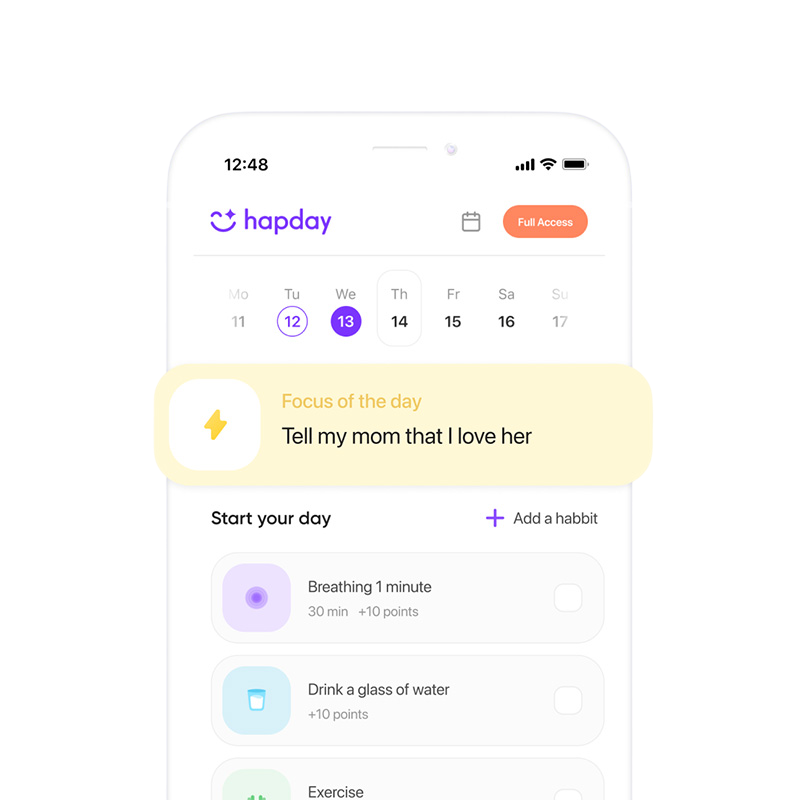
In our digital age, technology can both distract and aid focus. Technology expert Alex Li, creator of the ADHD app Sunrise, notes the potential in digital tools to foster concentration when used thoughtfully.
WHY IT WORKS: Apps built with ADHD user needs in mind reinforce habits, trace goals, and provide task reminders—aiding focus sustainably.
HOW TO IMPLEMENT: Try out platforms that gamify tasks—like Todoist or Habitica. Completing tasks earns in-app rewards, boosting motivation.
Nutrition and Exercise: A Viable Support
Quick to dismiss the age-old advice of diet and exercise impacting focus? Consider this: Dr. Alan Wolfe notes that our nutritional choices are foundational for neurotransmitter health, with physical activity crucial for boosting dopamine—a key neurotransmitter for attention.
WHY IT WORKS: Omega-3 fatty acids promote cognitive health, with regular exercise enhancing dopamine and norepinephrine levels, integral for attentiveness.
HOW TO IMPLEMENT: Add omega-3-rich foods like fish or flaxseed to your meals, and pursue consistent physical activity—like walking or biking—to observe benefits firsthand.
Building Your Support Network
Last but vital, amassing a support system offers unparalleled resources for managing ADHD. Conversations with those sharing your experiences can produce practical insights and increase motivation.
WHY IT WORKS: Studies cited by the National Library of Medicine confirm that social support mitigates stress, improving focus and mental clarity.
HOW TO IMPLEMENT: Seek out ADHD support groups or participate in online forums. Sharing challenges and advice within a kindred community often yields new perspectives and hope on tough days.
Reflective Thoughts
Having ADHD doesn’t resign you to half-finished projects and unending distractions. By grasping your specific neurodivergent design, you can integrate strategies perfectly suited to your mind’s rhythm. Altering your setting, embracing mindful moments, or even immersing in strategic app usage are tangible steps to mastering your focus.
The Bottom Line
With the right strategies and support, individuals with ADHD can take control of their attention and lead productive, fulfilling lives. Embrace techniques that cater to your unique needs, and remember, you are not alone on this journey.
Next Steps: Sunrise’s tailored ADHD app could be your ideal daily companion. It offers features designed to maintain habit consistency, efficient task management, and a plan that embraces an ADHD-friendly approach to life. Explore Sunrise – ADHD Coach now.
References
- National Institute of Mental Health
- American Psychological Association
- Harvard Health Publishing
- Centers for Disease Control and Prevention
- American Heart Association
- National Library of Medicine