





Table of Contents
- Understanding ADHD: The Science Behind the Struggle
- The Importance of Tailored Strategies
- Creating a Conducive Environment
- Structuring Your Day for Success
- Mindful Techniques for Mental Clarity
- Nutritional Neuroscience: Fueling Focus
- Technology as an Ally
- Building Resilience Through Challenges
- Celebrating Long-Term Progress
Key Takeaways
- Tailoring focus strategies to individual needs can significantly enhance productivity for those with ADHD.
- Creating a structured yet flexible day aids in maintaining focus and harnessing creativity.
- Mindfulness practices and regular movement breaks can effectively improve concentration.
- Nourishing the body with brain-friendly foods and hydration supports cognitive function.
- Utilizing technology wisely can help manage distractions and enhance focus.
On any given Wednesday morning, you might find Sam, a 31-year-old graphic designer with ADHD, attempting to dive headfirst into his work. Determined to conquer his looming to-do list, he sits at his cluttered desk, resolved and ready. But, within ten minutes, he’s scrolling through social media, caught adrift like a leaf in the wind. Been there? Many of us have. Navigating the vortex of distraction is tough, but you don’t have to remain lost. With effective ADHD focus strategies, chaos can transform into everyday clarity.
Understanding ADHD: The Science Behind the Struggle
Before we leap into solutions, let’s unravel why the ADHD brain dances restlessly, craving change and excitement. The National Institute of Mental Health (NIMH) defines ADHD with clear precision: patterns of inattention, impulsivity, hyperactivity. But to live it? That’s different.
“The ADHD brain is like an explorer, always chasing the next big discovery—a genius yet easily distracted.”
— Dr. Sarah Chen, Clinical Psychologist at NYU
The Importance of Tailored Strategies
Generic advice? Useless, honestly. When you’re ADHD-brained, you tread a path less traveled. Tailoring strategies to your unique brain chemistry makes all the difference—as did for many before us, including yours truly.
Creating a Conducive Environment
Imagine your workspace akin to a garden. Only in the right environment can focus truly flourish.
Organize Your Physical Space
Clutter isn’t just clutter; it’s a battleground. A Princeton University study reveals clutter competes for attention, draining performance and hiking stress. Streamlining your space soothes the mind—designate zones for specific activities, like a nook for deep work or an area for casual brainstorming. In decluttering the physical, the mental chaos begins to settle.
“Less visual noise can mean more clarity.”
— Dr. Jane McNulty, ADHD Coach
Digital Detox
Our devices, talk about love-hate relationships—they’re both tools for productivity and traps for procrastination. Website blockers like Freedom, or apps like Forest, which offers a visual reminder of productivity through virtual tree planting, can set boundaries.
Why This Works: ADHD minds chase immediate satisfaction. These tools provide immediate, tangible proof of focus maintained—boosters for the psyche.
Structuring Your Day for Success
Routine may ring dull, but think of it as structured spontaneity and watch focus unlock.
Time Blocking with Flexibility
Time blocking is about carving “blocks” for different tasks. Yet, flexible boundaries are key. Unlike rigid routines, flexible blocks allow hyper-focused efforts, breaks, and bursts of creativity.
True Story: Enter Maya, a 28-year-old writer with ADHD facing deadlines with dread. She embraced two-hour writing blocks followed by peaceful yoga. The blend kept her sharp and creatively energized.
How to Apply: Commence your day by pinning down three must-do tasks. Still, grant yourself liberty to shift around tasks if focus fades or interest wanes.
Mini-Deadlines: A Motivator
ADHD brains run on excitement and urgency. Manufacture this urgency by setting bite-sized deadlines—draft part of that report by morning, write the introduction by 10 AM, for instance.
Why It’s Effective: The thrill of meeting these smaller goals fires up the ADHD brain with expectancy-driven dopamine, priming it for concentration.
Mindful Techniques for Mental Clarity
Mindfulness needn’t demand hours of stillness. Simple practices tether attention and sharpen clarity.
Mindful Breathing and Body Scans
While sitting in silence isn’t feasible for everyone, mindful breathing offers peace. Each breath grounds you, ushering presence into the moment.
“Doing a body scan—from head to toe—can pacify emotions and draw back your energy.”
— Dr. Sarah Chen, Clinical Psychologist at NYU
Movement Breaks
Physical movement is non-negotiable. Harvard Medical School highlights how exercise elevates brain function, raising critical mood regulators like dopamine.
How to: Work for 50-minute stretches, followed by 10-minute dance breaks or brisk walks. Physical clarity nurtures mental focus, after all.
Nutritional Neuroscience: Fueling Focus
The link between what we eat and how we feel is almost palpable. Fuel focus by nurturing your body.
Brain-Friendly Foods
Stock up on omega-3-rich delicacies like salmon, walnuts, leafy greens, and berries. According to Johns Hopkins Medicine, these nutrients maintain brain cell vitality.
Case in Point: Mark, another young professional, revved up his salads with greens and lean protein, experiencing an afternoon productivity surge.
Why This Works: A balanced diet nourishes neurotransmitter flow, central to focus and mood balance.
Hydration’s Hidden Power
Sure, it’s simple advice—but dehydration can throw a wrench in your focus machinery. Even mild cases impact cognitive prowess.
Technology as an Ally
While tech can be distracting, it can also stand as a formidable focus ally when harnessed wisely.
App-Assisted Focus
Complexities dissolve with digital aides like Todoist, Trello, or Sunrise – ADHD Coach. These task boards visually streamline priorities, carving clear paths amidst mental whirlwinds.
How It Helps: They create visual compartments for tasks, fostering one-task-at-a-time attention rather than grappling with an unwieldy whole.
Smart Alerts and Silence Modes
Apps like Offtime or Moment let you govern notifications. Are you aware how much these interruptions hijack focus?
Building Resilience Through Challenges
Resilience isn’t just about dodging challenges, but embracing them as stepping stones.
Reframing Frustration
Every stumble fuels exasperation—an ADHD mainstay. Turn the tables: see these as growth opportunities to unravel your mind’s intricacies.
Why This Works: Cognitive reframing nurtures a growth-oriented mindset, fortifying emotional resilience amid ADHD’s persistent storms.
Accountability Partners
Attach yourself to someone who knows the ADHD journey—a confidant or coach can furnish accountability. Routine check-ins fuel encouragement and drive.
Life Snapshot: Tom, a software engineer, linked up with a colleague to swap weekly goals, forging mutual motivation and camaraderie in facing the daily grind.
Celebrating Long-Term Progress
Progress isn’t always instant; its beauty unravels over time. Acknowledge minor victories too.
Track and Acknowledge Achievements
Journaling daily wins heightens a sense of achievement. Log even the modest feats—a task finished, a deadline met, an hour of focus sustained.
Why Recognition Matters: Your growth there, set in ink, strengthens neural pathways, catalyzing repeat triumphs over distraction.
The Bottom Line
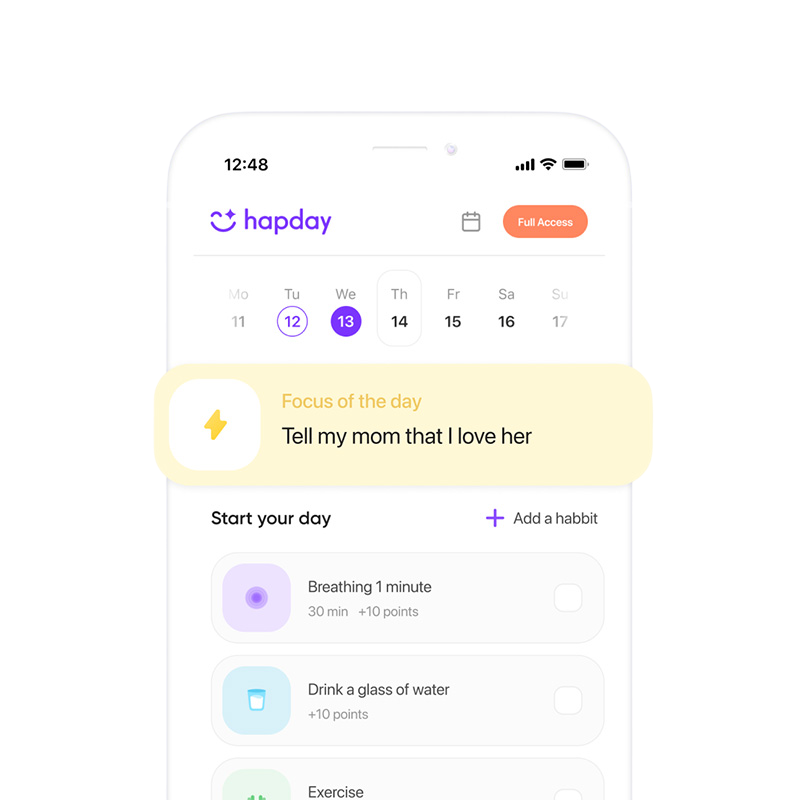
As you step forward, lean on these dynamic strategies to harmonize your days. You’ll soon find ADHD is not just a challenge but an incubator for innovation and creativity. It’s about finding your rhythm and playing it adroitly. For a touch of tech-savvy support, Sunrise – ADHD Coach stands out. Offering habit tracking, focus tools, and AI-equipped planning, it synergizes with ADHD’s natural flow. Be it fine-tuning your surroundings, embracing mindful techniques, or tweaking nutrition, you’re crafting clarity—step by intuitive, thoughtful step.