





Table of Contents
- Understanding ADHD and Self-Care
- Recognizing the Emotional Landscape of ADHD
- The Why: Self-Care’s Importance for ADHD
- The How: Practical Self-Care Practices
- Building a Personal ADHD Toolkit: Tailoring Practices to You
- Final Thoughts: Embracing Your Self-Care Journey
Key Takeaways
- ADHD affects many adults, often going undiagnosed, making personal self-care essential.
- Implementing practical self-care routines can significantly enhance focus and emotional stability.
- Self-care practices like sleep, exercise, nutrition, mindfulness, and structured routines can empower those with ADHD.
- Each individual should tailor self-care strategies to fit their unique needs for the best results.
- Celebrating small wins along the self-care journey is vital for fostering motivation and self-efficacy.
Understanding ADHD and Self-Care
ADHD — it’s more than just occasional forgetfulness or the impulse buys that derail a budget. According to a report by the CDC, about 6.1 million children in the U.S. have been diagnosed with ADHD. Many adults, however, remain in the shadows, undiagnosed, yet wrestling with its challenges.
“For adults with ADHD, crafting a self-care routine isn’t just beneficial; it’s essential. It’s less about rigid schedules and more about nurturing an environment where your mind can flourish.”
— Dr. Sarah Chen, NYU
Recognizing the Emotional Landscape of ADHD
Rollercoaster emotions often characterize life with ADHD. Frustration over an unruly mind, anxiety with every missed deadline—these aren’t rare; they’re routine. Recognizing these feelings not as failures but components of an ADHD narrative is empowering. Take Joyce, for instance, 32 years old and grappling with guilt over missed deadlines. Over time, she reframed her emotional responses as guides, pointing out which self-care practices could offer solace.
The Why: Self-Care’s Importance for ADHD
Research consistently highlights how self-care enhances focus and emotional stability—critical for those with ADHD. Albert Bandura’s concept of self-efficacy underlines this; believing in your ability to manage situations significantly impacts success. Engaging in self-care, you reinforce this belief—and with it, your motivation.
“For ADHD individuals, self-care doesn’t just ease stress; it builds resilience, transforming chaos into structured calm.”
— Dr. Robert Haick, Neuropsychologist
The How: Practical Self-Care Practices
- Prioritizing Sleep for Cognitive Clarity
- Why: Sleep is the brain’s tidying-up time—crucial for attention and emotional regulation.
- How: Craft a calming pre-sleep routine: dim lighting, no screens, perhaps a book or meditation.
- Mindful Movement: Exercise for Focus and Mood
- Why: It boosts mood, sharpens concentration, and eases anxiety.
- How: Find enjoyable activities, whether yoga or brisk walking, aiming for 30 minutes most days.
- Nutritional Balance and Brain Food
- Why: A balanced diet supports steady energy and focus.
- How: Opt for proteins, complex carbs, and Omega-3s—think whole grains, lean meats, and greens.
- Mindfulness and Meditation: Finding Calm
- Why: Mindfulness helps recognize distractions, fostering focus.
- How: Start small—five minutes of mindful breathing, increasing as comfort grows.
- Structured Routines for Mental Organization
- Why: Structure reduces stress, minimizing daily decision fatigue.
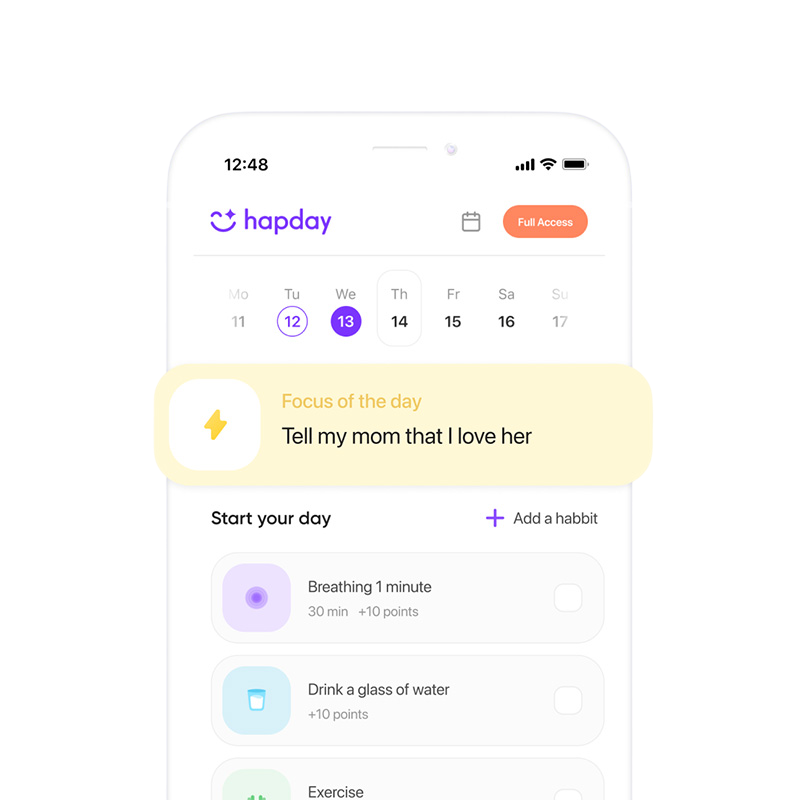
- How: Use planners or apps to visualize daily tasks, highlighting priorities.
Building a Personal ADHD Toolkit: Tailoring Practices to You
Remember, self-care isn’t a cookie-cutter concept—especially with ADHD. Experiment, see what clicks, and adjust. Maya, 28, knows this well. After her divorce, she found herself in a fog. Through trial and error, she discovered morning yoga and journaling infused her days with much-needed clarity.
Final Thoughts: Embracing Your Self-Care Journey
As you enhance your self-care habits, don’t forget to celebrate the small wins. Maybe you got out of bed on time, tackled that lingering project, or just took a pause amidst chaos. Every step is progress on this journey.
You deserve to manage emotions and focus with ease—even amidst the whirlwind of ADHD. By carving out time for self-care, you’re paving the way for a balanced, fulfilling life, embracing the unique challenges ADHD presents.
The Bottom Line
Embracing self-care can empower individuals with ADHD to better manage their symptoms and navigate daily challenges. With personalized practices, you can transform the chaos into calm, fostering a more organized and fulfilling life.
Ready to take control of your ADHD journey? Discover Sunrise – ADHD Coach, an app designed to help you build and sustain your self-care habits. Download the ADHD coaching app here and start your journey to mindful living today.
References
- Statistics from the CDC spotlight the prevalence of ADHD.
- Insights from Dr. Sarah Chen and Dr. Robert Haick on self-care’s impact on ADHD.
- National Sleep Foundation recommendations on sleep for adults.
- Research from the American Psychological Association on mindfulness and ADHD.
- Dr. John Ratey connects exercise to ADHD management.
Armed with this guide, begin integrating self-care into your life, personalizing each practice for a mentally enriching tomorrow.