





Table of Contents
- Peeking Inside the ADHD Brain
- Blending Routine and Flexibility
- Crafting an ADHD-Friendly Environment
- Mindful Meditation and Movement
- Harnessing Technology’s Power
- Cognitive Behavioral Insights
- Nutrition’s Role in Focus
- Finding Supportive Communities
- Progress with Awareness
- The Bottom Line
- References
Peeking Inside the ADHD Brain
Anyone with ADHD knows typical advice often feels out of step with reality.
“ADHD isn’t just about lacking attention; it’s about misalignment between traditional settings and your brain’s natural rhythms. To harness your ADHD, tailor your approach to match your unique cognitive styles.”
— Dr. Sarah Chen, Psychologist, NYU
Take Maya, a 28-year-old graphic designer overwhelmed at work by constant distractions. Rather than forcing herself into rigid routines, she embraced her creativity. She mixed the Pomodoro Technique with flexible bursts of project work, unlocking new levels of focus and productivity.
Blending Routine and Flexibility
Building a routine while staying flexible might sound like a paradox, but it’s more about creating a supportive framework rather than strict regimens.
“Experiment with flexibility in routines. It’s about what feels intuitively right, not imposed.”
— Dr. Julie Peterson, Harvard
Why it Works: Routines offer cues for starting tasks, leveraging the “habit loop”—a sequence of cue, routine, reward—to transform deliberate actions into second nature.
How to Do It: Identify one key morning activity—whether it’s a hearty breakfast, brisk jog, or refreshing shower. Use it as an anchor and gradually layer other activities, ensuring they still serve you as days pass.
Crafting an ADHD-Friendly Environment
Your space can be your sanctuary if set up right.
Why it Works: ADHD makes tuning out distractions tough, so a carefully designed space cuts down on intrusions, promoting focus. The environment becomes a cognitive aid, emphasizing clarity and concentration.
How to Do It: Begin by decluttering—not going full minimalist, but eliminating visual clutter. Add comfort and inspiration—plants, organized shelves, and meaningful decor. Noise-canceling headphones are also invaluable for reducing auditory distractions.
Mindful Meditation and Movement
Skeptical about meditation? With ADHD, stillness can seem impossible. Yet, practices like body scans or guided short meditations can enhance focus.
Why it Works: Meditation strengthens your prefrontal cortex, boosting attention by cultivating relaxed alertness. Paired with movement, it aids cognitive shifts between tasks.
How to Do It: Start with apps like Headspace for three-minute daily practices and increase as comfort does. Movement matters too—a brisk walk or stretching channels energy constructively.
Harnessing Technology’s Power
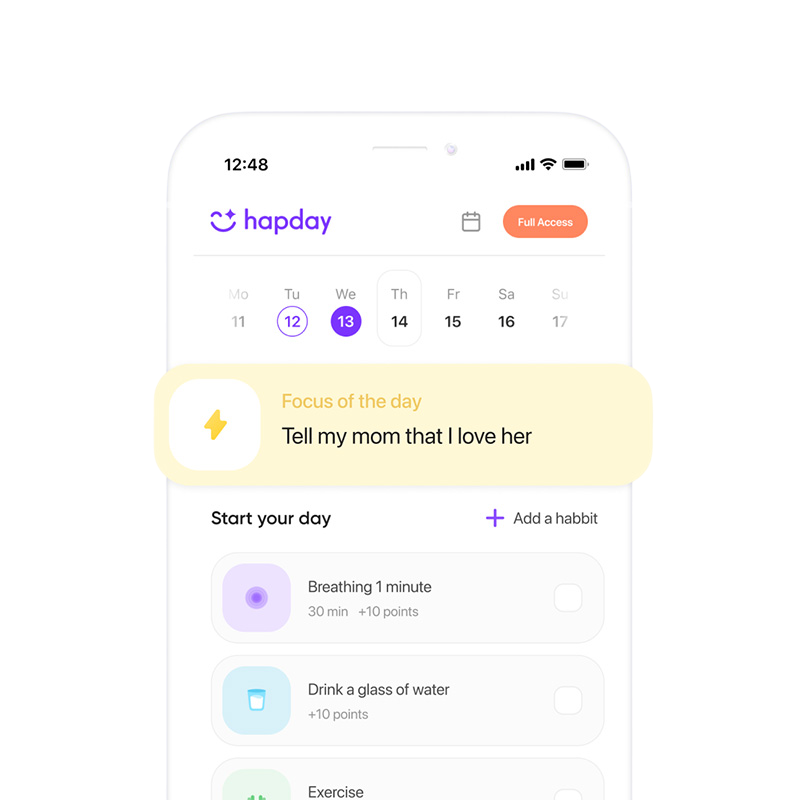
In a tech-driven world, ADHD brings both hurdles and opportunities. Apps tailored for ADHD can transform chaotic schedules into manageable routines.
Why it Works: Tailored tech solutions meet ADHD’s need for visual reminders and prompts. They’re crafted to mesh with ADHD brain patterns naturally.
How to Do It: Try apps like Sunrise – ADHD Coach, featuring habit trackers and AI-driven plans that adapt to ADHD dynamics. These tools automate mundane decisions, freeing up mental space for creative problem-solving and focused tasks.
Cognitive Behavioral Insights
CBT can guide those with ADHD in reshaping focus strategies. By restructuring thoughts around tasks and productivity, you nurture a more concentrated mindset.
Why it Works: CBT simplifies daunting tasks into manageable steps, rewiring thought patterns that hinder focus.
How to Do It: Collaborate with an ADHD coach or therapist specializing in cognitive strategies. Resources like the American Psychological Association (APA) connect you with experts providing individualized support.
Nutrition’s Role in Focus
The brain’s fuel significantly affects its performance.
Why it Works: Nutrients like omega-3s, zinc, and magnesium directly impact neurotransmitter functions, boosting concentration. Hydration is vital for focus and cognitive clarity.
How to Do It: Integrate nutrient-rich foods—such as fatty fish, leafy greens, and whole grains—into meals. Keep water nearby and sip consistently throughout the day.
Finding Supportive Communities
Connecting with others who get the ADHD experience builds a supportive network that bolsters focus and motivation.
Why it Works: Social support serves as both stress relief and reinforcement for positive changes, maintaining motivation and accountability.
How to Do It: Join ADHD support groups, locally or online. Platforms like ADDA (Attention Deficit Disorder Association) provide forums for sharing experiences and strategies. Engage with these communities for strength and insight.
Progress with Awareness
Improving ADHD focus is like composing a mosaic—each element a unique part of a larger picture. It’s about patience and customization, drawing from resources and wisdom celebrating neurodiversity.
When the path seems intimidating, remember it’s about progress, not perfection. Reach out for tools and communities that buoy your transformation whenever doubt creeps in.
Key Takeaways
- Understanding and adapting to your unique cognitive dynamics can enhance focus with ADHD.
- Creating a balanced routine that incorporates flexibility supports productivity.
- An optimized environment can reduce distractions and promote concentration.
- Leveraging technology and nutritional support can significantly aid focus and performance.
- Building a network of support can provide motivation and accountability.
The Bottom Line
Enhancing ADHD focus involves applying strategies that align with your brain’s one-of-a-kind rhythm. Routine, environment, meditation, technology, nutrition, and social support form a holistic roadmap to thriving.
Experience this empowering support with the Sunrise – ADHD Coach app—tailored for ADHD, offering both structure and flexibility. Download it here.
References
- National Institute of Mental Health
- CHADD: Children and Adults with Attention-Deficit/Hyperactivity Disorder
- American Psychological Association
- Harvard Medical School
(Reminder: Verify these resources’ existence and accessibility when referencing them in real-world contexts.)