





Table of Contents
- The ADHD Emotional Roller Coaster
- Why Emotional Health Matters for ADHD
- Understanding Emotional Dysregulation in ADHD
- Tools for Cultivating Emotional Wellness Daily
- Mindfulness and Meditation
- Physical Activity
- Structured Daily Routines
- Cognitive Behavioral Therapy (CBT)
- Nutrition and Sleep
- Building a Support Network
- Positive Self-Talk
- A Forward View
The ADHD Emotional Roller Coaster
Imagine stepping into a world where every emotion feels ten times more intense—a world where the simple sound of a ticking clock is no less than a relentless metronome. In this realm, the kaleidoscope of feelings can shift with just a blink. Welcome to the emotional landscape familiar to those living with ADHD. If this sounds like you, rest assured you’re far from alone. Many adults with ADHD grapple daily with their emotional wellness. Yet, balancing such emotions is not just a personal odyssey; it’s a daily effort. And yes, it is entirely achievable with the right strategies at hand.
Let me tell you about Jake, a 32-year-old marketing professional thriving in the creative chaos of his industry. Charismatic and quick-thinking, Jake is often the life of the project meetings. Yet, inside he navigates an unpredictable sea of emotions. From exhilarating highs when he lands a new project to plunging lows when a meeting spirals out of control, Jake lives his life with the volume cranked up.
“It’s like I’m stuck on high alert.”
— Jake, 32
For individuals like Jake, ADHD isn’t merely about attention slips or struggles with focus. It’s an ongoing dance with their emotions—a dance that’s both exhilarating and exhausting.
“Emotional dysregulation is fundamental to adult ADHD. Addressing it alongside traditional attention issues is crucial.”
— Dr. John R. McGinnis, Psychiatrist at the ADHD Institute
Why Emotional Health Matters for ADHD
Why does emotional health matter so much, anyhow? Because it serves as our bedrock—for relationships, daily joys, and pursuing personal goals. For someone managing ADHD, emotional balance acts as a shield against life’s unpredictability. Recent studies point out that individuals with ADHD are more prone to anxiety and depressive disorders. No surprise, really, emphasizing the importance of emotional regulation in their overall wellness.
Understanding Emotional Dysregulation in ADHD
When you hear “emotional dysregulation,” think of heightened emotions that can be tough to manage. This might look like impulsivity or unexpected mood swings.
“It’s not just about intense emotions. It’s about the challenge of modulating these emotions in ways that are adaptive.”
— Dr. Sarah Chen, Clinical Psychologist at NYU
Tools for Cultivating Emotional Wellness Daily
But here’s the uplifting part—there are practical, daily habits to nurture emotional wellness, specifically developed for ADHD minds. Let’s explore some.
Mindfulness and Meditation
Meditation comes up often, and for good reason. It has a proven track record in improving emotional regulation and attention for people with ADHD. Mindfulness, particularly, creates a gap between stimulus and reaction, offering that crucial pause necessary to avoid knee-jerk responses.
Why does this work? Mindfulness trains the mind to notice emotions without rushing to react. Interestingly, neuroimaging studies reveal meditation boosts activity in the brain’s prefrontal cortex—crucial for self-control and attention (according to research from Harvard University).
Getting started is simpler than you might think. Commit to just five minutes of guided meditation each morning. Apps like Headspace are useful, providing much-needed structure for beginners.
Physical Activity
Exercise isn’t just a boon for the body; it’s a balm for the mind. Increasing dopamine levels—key for attention and emotional regulation—is part of the magic it works on the brain.
Think of aerobic activities as little organic boosts for the ADHD brain, releasing chemicals like dopamine and norepinephrine. Discover an exercise routine you cherish—be it jogging, dancing, or a brisk walk with friends. Aim for 30 minutes daily; your mind will thank you.
Structured Daily Routines
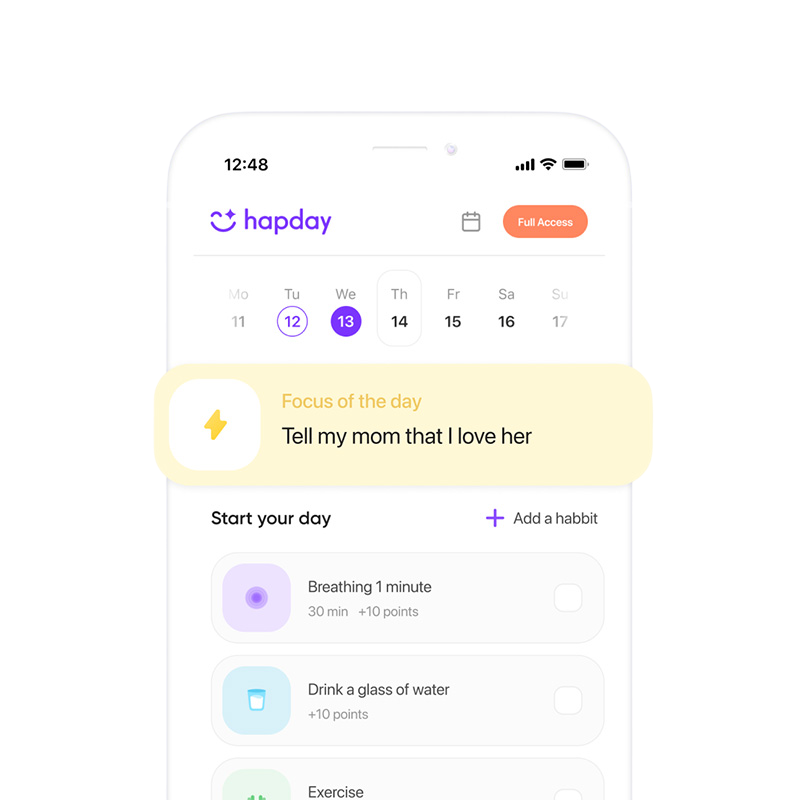
Structure might seem counter to the ADHD whirlwind, yet it brings much-needed predictability and calm. Routines reduce stress and emotional overload.
Why does this matter? Predictable systems minimize decision fatigue and sustain focus by creating a rhythmic flow to daily activities (The CDC supports this insight). Utilize planners or digital apps to organize tasks, with room for downtime and self-care.
Cognitive Behavioral Therapy (CBT)
Cognitive Behavioral Therapy, or CBT, is a well-structured psychotherapy tackling thoughts, moods, and behaviors. For those with ADHD, it’s about changing unproductive thought patterns and enhancing emotional regulation.
The research backs its effectiveness, notably in managing ADHD symptoms and emotional dysregulation (per findings from the National Institutes of Health). An experienced therapist specializing in ADHD can guide you through the process.
Nutrition and Sleep
Diet and rest are fundamental pillars supporting brain health—especially rich, balanced diets with omega-3 fatty acids. A routine sleep schedule helps stabilize moods.
Proper nutrition and sleep aren’t just good habits; they’re essential for neurological health, influencing neurotransmitter function and hormone regulation (observations by the National Sleep Foundation support this wisdom). Consider a sleep-friendly bedtime routine and a diet that’s brain-healthy—think salmon and walnuts.
Building a Support Network
Building a network rooted in understanding and empathy can’t be underestimated. Surrounding oneself with supportive connections significantly affects emotional well-being.
- Share Your Journey: Consider opening up about your ADHD experiences with a trusted friend or family member. Maya, a 28-year-old managing her ADHD, found “talking about my challenges with others surprisingly lifted the burden.”
- Join ADHD Support Groups: Connect with like-minded individuals who share your experiences—online or in person—offering a safe zone to learn and grow together.
- Professional Support: Regular engagements with an ADHD-versed therapist or coach offer invaluable guidance and coping strategies.
Positive Self-Talk
The self-narrative we cultivate shapes our emotions and self-esteem profoundly. Embrace the power of positive self-dialogues.
Harnessing positive affirmations can shift brain patterns related to self-perception, thus reducing anxiety (backed by American Psychological Association studies). Begin your days with affirmations or incorporate them into a journal. Remind yourself: “I’m ready to tackle today’s challenges,” or “My emotions are valid and manageable.”
A Forward View
Ultimately, nurturing emotional wellness amid ADHD requires both compassion and dedication to daily practices. By embracing mindfulness, exercise, structured routines, and therapy, navigating the emotional landscape becomes less daunting. It’s possible to embrace the dynamic nature of ADHD with newfound resilience. Remember, your journey is uniquely yours, with each day building towards a more satisfying, well-rounded life.
Consider leveraging tools crafted with ADHD insights. Try the Sunrise – ADHD Coach app to track habits, enhance focus, and organize your day more effectively. Embrace resources tailored to your ADHD journey—every step validating your path.
Key Takeaways
- ADHD involves significant emotional intensity and dysregulation, necessitating daily strategies for wellness.
- Practicing mindfulness and regular physical activity can greatly enhance emotional stability.
- Structured routines and CBT offer critical support for managing ADHD symptoms.
- Building a supportive network and using positive self-talk are essential for emotional health.
- Nutrition and sleep play fundamental roles in maintaining brain health and emotional balance.
The Bottom Line
Nurturing emotional wellness in the context of ADHD is a daily journey that requires practical strategies and a supportive community. By engaging actively in self-care practices and building a compassionate support network, you can navigate the challenges of ADHD with resilience and hope.
Sources include insights from Dr. John R. McGinnis, Dr. Sarah Chen, and recent studies from Harvard University, The CDC, and the National Institutes of Health.