





Table of Contents
- Understanding ADHD Wellness
- Creating a Structured Environment
- Emotional Regulation and Mindfulness
- Leveraging ADHD Strengths
- Building Support Networks
- Sleep: The Unsung Hero
- Embracing Technology Mindfully
- Dietary Considerations and Physical Activity
Key Takeaways
- ADHD wellness involves navigating symptoms for success rather than attempting to eliminate ADHD.
- Creating a structured environment helps in managing focus and emotional regulation.
- Recognizing and leveraging unique ADHD strengths can redefine personal success.
- Community support and self-care practices are crucial for enhancing overall wellness.
- Sufficient sleep, mindful technology use, and a balanced diet play vital roles in ADHD management.
Understanding ADHD Wellness
But what does ‘ADHD wellness’ even mean? It’s not about banishing ADHD from one’s life; rather, it’s about navigating symptoms in ways that invite success and fulfillment. Picture wellness as a holistic journey, embracing the mental, physical, and emotional aspects that ADHD jostles.
“Embracing wellness strategies means crafting an environment that resonates with your brain’s unique wiring. ADHD can serve as a conduit to strengths, if channeled creatively.”
— Dr. Sarah Chen, Clinical Psychologist at NYU
Creating a Structured Environment
When it comes to fostering ADHD wellness, starting with an environment that minimizes chaos can be pivotal. Structure? It’s your ally. Let’s unpack why it works and how to implement it thoughtfully.
Why Structure Works:
- Predictability Dampens Stress: Knowing what’s next reduces mental strain from decision-making.
- Dopamine Balancing Act: Consistent routines can cultivate micro dopamine hits, enhancing motivation and focus.
How to Create It:
- Designate Spaces: Demarcate specific zones for work, leisure, and creativity—signal your brain on what to expect.
- Daily Rituals: Introduce small morning and evening routines; begin with consistent waking and sleeping times.
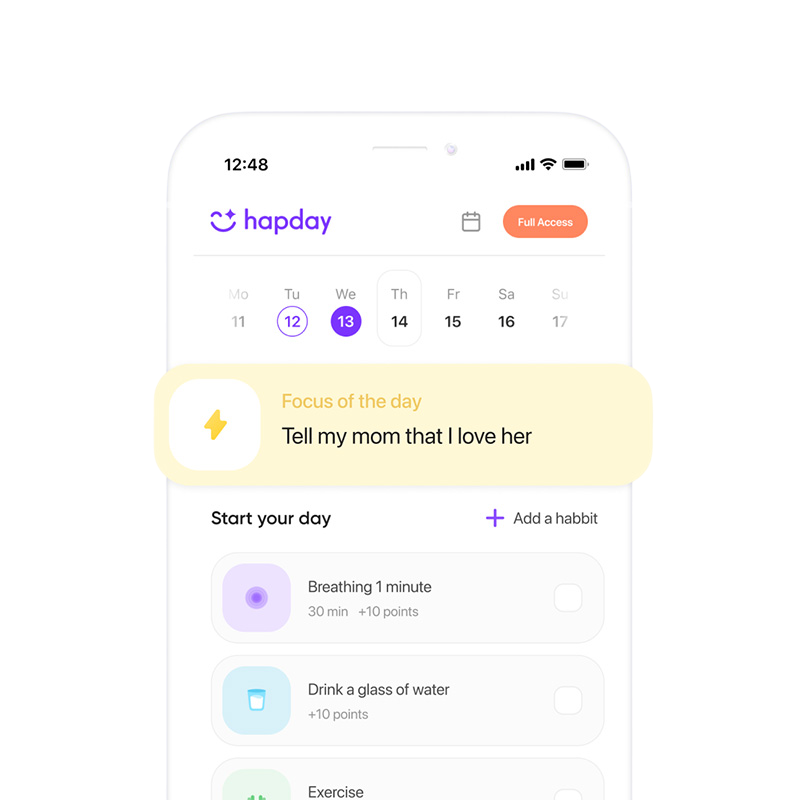
- Visual Cues: Employ calendars, sticky notes, apps—simplifying the need to remember everything.
Emotional Regulation and Mindfulness
Addressing emotional regulation presents its challenges. For those with ADHD, heightened emotional responses amplify stress, yet there are ways to navigate this domain with finesse.
Science of Emotion in ADHD:
Emotional dysregulation, often intertwined with neural pathways that influence impulsivity, requires an approach rooted more in compassion than frustration.
“Mindfulness shows promising strides in enhancing emotional regulation for ADHD, fostering acceptance and reducing reactive tendencies.”
— Dr. Emily Stevenson, Harvard
Mindfulness Practices:
- Grounding Exercises: Techniques like acknowledging your surroundings can anchor amidst emotional whirlwinds.
- Breathwork: Simple yet effective, practices like 4-7-8 breathing help calm the nervous system.
- Journaling: Regular reflection aids in emotion processing and curbing impulsive tendencies.
Leveraging ADHD Strengths
Focusing solely on ADHD’s limits? You might overlook its inherent strengths. Recognizing and leveraging these can redefine success narratives.
Understanding Unique Strengths:
- Creative Flare: ADHD minds often venture outside conventional thought, crafting unique solutions.
- Hyperfocus Potential: Channel this into passions, enabling profound work immersions.
Strategies to Harness Strengths:
- Creative Outlets: Dive into artistic projects or innovative pursuits that resonate with your interests.
- Strength-Integrated Tasks: Identify your areas of expertise and frequently incorporate them into your life.
Building Support Networks
Never undervalue community and support. Connections can offer the encouragement needed during testing times.
The Role of Support:
- Shared Journeys: Conversations with those who resonate lessen feelings of solitude.
- Resource Exchange: Support groups abound with practical tips that resonate.
Cultivating Your Network:
- Join ADHD Communities: Engage with online forums or local gatherings to connect with similar individuals.
- Professional Support: Finding therapists or coaches skilled in ADHD can provide tailored guidance.
Sleep: The Unsung Hero
Too often, the profound impact of sleep on wellness is underestimated. Rest well, and you improve focus, mood, and vitality.
The Science of Sleep in ADHD:
Chronic deprivation aggravates ADHD symptoms, impeding neurotransmitter production and cognitive function—a theory explored by the CDC a few years back.
Sleep Hygiene Tips:
- Steady Schedule: Maintain regular sleep consistency; aligns internal clocks.
- Screen Time Reduction: Minimize screens pre-bedtime to boost melatonin synthesis.
- Comfortable Sleeping Environment: Your bedroom should invite relaxation—consider comfort of your mattress and low noise levels.
Embracing Technology Mindfully
Technology—sometimes distracting, sometimes beneficial—can be a great ally if wielded with intention. Aim for using tools that streamline focus and organization.
Effective Use of Technology:
- Focus Tools: Deploy apps that limit distractions or utilize time management apps tailored for ADHD.
- Reminders and Alerts: Use technology to set reminders for appointments and tasks, reducing mental load.
Dietary Considerations and Physical Activity
Fueling the body is central to ADHD wellness. Diet and exercise not only bolster physical health but also cognitive vitality.
Nutritional Strategies:
- Balanced Diets: Opt for protein-rich meals with complex carbs for stable blood sugar.
- Stimulant Moderation: Limit caffeine and sugar to avoid heightened hyperactivity.
Integrating Exercise:
- Daily Routine: At least 30 minutes of activity boosts natural dopamine levels.
- Mind-Body Practices: Yoga or tai chi—tested methods for stress reduction and concentration improvement.
The Bottom Line
ADHD wellness transcends symptom management; it’s about thriving differently. Maya learned that even amid personal upheaval, focusing on wellness brings balance previously deemed inconceivable. This journey embraces understanding, empathy, and adaptability. As you explore these paths, remember—minor adjustments can yield major improvements over time.
Exploring ADHD wellness is full of tools and paths to empower you. One such resource is Sunrise—ADHD Coach. This app facilitates habit tracking, supports focus with AI, and offers custom planning for ADHD minds. Explore its potential and learn more from Apple’s App Store.
Today, opt to embrace your unique wellness pathway and set the stage for a life filled with fulfillment.