





Table of Contents
- Understand Your ADHD Brain
- Rethink Self-Care: Beyond Bubble Baths
- Building Routines That Resonate
- Mindful Moments Matter
- Physical Activity as a Mood Lifter
- Nutrition: The Brain’s Fuel
- Technology and ADHD: Friend or Foe?
- Sleep: The Underrated Superpower
- Empowering Next Steps
Key Takeaways
- Understanding the unique workings of the ADHD brain can lead to personalized self-care strategies.
- Incorporating small, flexible routines can help manage daily tasks more effectively.
- Short bursts of mindfulness and physical activity can significantly improve mood and focus.
- A balanced diet and proper sleep are essential for optimal brain function and emotional regulation.
- Technology can be leveraged as a helpful tool rather than a distraction in managing ADHD.
Envision this: It’s a typical weekday morning and your alarm yanks you from sleep. The day ahead is an unwritten script—capable of descending into chaos, slipping into procrastination, or buzzing with frenetic activity. For those navigating life with ADHD, maintaining a steady daily rhythm isn’t just about juggling tasks; it’s more like swimming against a current of clashing thoughts and impulses.
Meet Sam, a 31-year-old graphic designer. He adores his work but frequently finds himself racing to meet deadlines. The importance of self-care isn’t lost on him, yet he often feels overwhelmed by life’s din—every notification, every unfinished task pulling at his focus. Still, Sam longs for daily balance, the kind that lets him manage not just his work, but also eating well, exercising, and leaving room for creativity—without spiraling into stress.
Understand Your ADHD Brain
Before jumping into strategies, recognizing how ADHD influences our lives is crucial.
“ADHD isn’t just about lacking concentration. It concerns executive functions like planning and attention, which often operate atypically.”
— Dr. Sarah Chen, Clinical Psychologist
ADHD brains have their unique wiring. They yearn for novelty and can become hyperfocused on interests but may also find it challenging to transition between tasks. This can render conventional self-care advice not just ineffective but sometimes exasperating. An ADHD brain isn’t lazy; it’s processing the world with distinct strengths and hurdles.
Rethink Self-Care: Beyond Bubble Baths
“Self-care” might invoke thoughts of spa retreats or long baths. Yet, living with ADHD means adopting self-care strategies addressed at daily structures and mental habits that shape our existence. It’s about forming routines that complement your brain, not conflict with it. Back in 2021, a study by the National Institute of Mental Health emphasized that structured routines can notably enhance daily function for those with ADHD.
Building Routines That Resonate
Start small.
“Design routines with enough elasticity to keep them interesting.”
— Dr. Lisa Grant, Neuroscience Researcher
For Sam, this translated to trying out different coffee shops on different days, transforming his morning coffee runs into little personal adventures.
Why this works: Routines lessen cognitive load. Our brains delight in predictability, particularly when accompanied by delightful modifications. By sidestepping the need for constant decision-making, you conserve mental energy for creative pursuits and focus.
Mindful Moments Matter
Ever tried meditating only to find your thoughts drifting to endless to-do lists? Mindfulness doesn’t necessarily entail sitting still for long stretches. Dr. Chen emphasizes,
“Mindful awareness can be nurtured in short moments. It’s about fully engaging in your current action.”
— Dr. Sarah Chen, Clinical Psychologist
You could mix mindfulness with daily tasks—completely focusing on the food you prepare or how water cascades down your body during a shower. This builds a rewarding loop: the more you engage, the more your brain enjoys that focus.
Why this works: Mindfulness can heighten emotional regulation, a known difficulty for many ADHD individuals according to research. Practicing mindfulness strengthens the brain’s capacity to dismiss distractions and lessens impulsivity.
Physical Activity as a Mood Lifter
Exercise as a universal remedy? Sure, but its impact on the ADHD brain is particularly potent. Even short bursts of physical activity can elevate mood, mitigate anxiety, and boost dopamine levels—a neurotransmitter often imbalanced in ADHD.
For Sam, incorporating exercise in his self-care didn’t mean hitting the gym. He began with 10-minute dance breaks during work. This not only elevated his energy but also sparked creative ideas.
Why this works: Physical activity lifts levels of dopamine and norepinephrine, vital for attention and mood management. It’s a natural way to prepare the brain for focus.
Nutrition: The Brain’s Fuel
It’s not just avoiding sugar binges; it’s nurturing your brain. Studies highlight omega-3 fatty acids, top-tier proteins, and complex carbohydrates as beneficial for brain health and function.
Sam embraced ‘colorful plates’—making sure each meal was filled with vibrant foods like berries, greens, and grains. This simple visual aid ensured he was nourishing both body and brain.
Why this works: A balanced diet can stabilize blood sugar, averting mood swings and energy slumps. It supports neurotransmitters vital for concentration and emotional equilibrium.
Technology and ADHD: Friend or Foe?
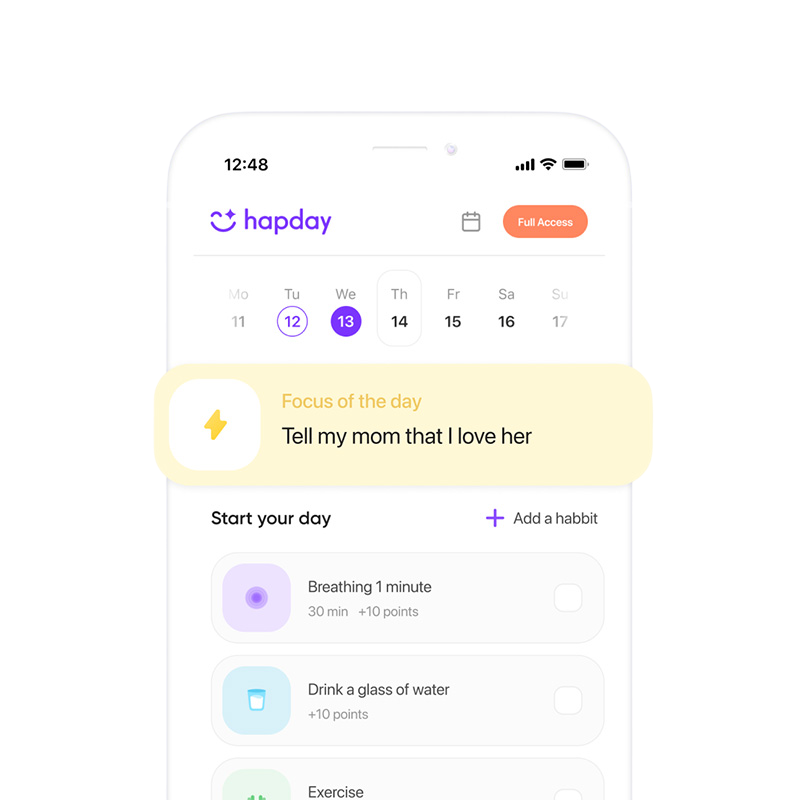
Tech can tempt as a distraction, but it can be a steadfast ally too. Apps crafted for individuals with ADHD can turn chaos into clarity. Utilizing task management apps with notifications tailored to his needs, Sam started to see technology not as a distraction but as a guiding force.
Why this works: Digital tools lessen overload by visualizing tasks. This visual aid assists those with ADHD in prioritizing and managing mental resources more adeptly.
Sleep: The Underrated Superpower
Sleep shortfalls adversely impact overall health, but for those with ADHD, it’s especially damaging. Lack of sleep can exacerbate symptoms, complicating concentration, emotion regulation, and memory tasks.
Sam adopted a “wind-down” hour—snuffing out tech and embracing calming activities. This could be as uncomplicated as delving into fiction or soaking in soothing music.
Why this works: Quality sleep boosts memory consolidation and regulates stress hormones. It represents a cornerstone of thriving with ADHD.
Empowering Next Steps
Living with ADHD is an intricate journey, not always linear. Self-care tactics may evolve alongside your life. The goal isn’t perfection but cultivating understanding and patience for oneself.
Feeling stuck? You’re not in this solo journey. Numerous resources and communities stand ready to support and ignite inspiration. Seek connection with others who comprehend or reach out to professionals for personalized strategies.
You merit self-care strategies that both acknowledge and enhance your ADHD experience, allowing your remarkable potential to emerge from the clamor.
The Bottom Line
Living with ADHD can be challenging, but understanding your brain, incorporating flexible routines, and nurturing your body and mind through tailored self-care can create a balanced and fulfilling life. Embrace your unique journey and seek out resources that support your path.
References:
- National Institute of Mental Health
- American Psychological Association
- Harvard Health Publishing
- Mayo Clinic
- Centers for Disease Control and Prevention