





Table of Contents
- Understanding the ADHD Emotional Experience
- Reframing ADHD Self-Care
- The Anatomy of ADHD Self-Care: Daily Tips for Emotional Balance
- The Bottom Line
- References
Understanding the ADHD Emotional Experience
Before we jump into strategies, let’s clear the air about the emotional facet of ADHD, a vivid tapestry that stretches from hyper-focus to forgetfulness. ADHD transcends mere attention shifts—it’s a condition that molds emotional responses. Back in 2012, a Harvard study highlighted that around 70% of adults with ADHD reported emotional management struggles, especially when confronted with stress, rejection, or fatigue. This is precisely where self-care steps into the limelight.
Reframing ADHD Self-Care
Reimagining self-care as an indispensable routine rather than a luxury is crucial.
“Think of it as emotional hygiene.”
— Dr. Sarah Chen, Clinical Psychologist
Just like brushing your teeth each day, maintaining emotional balance requires regular upkeep. Embracing small, deliberate actions can safeguard your emotional well-being.
The Anatomy of ADHD Self-Care: Daily Tips for Emotional Balance
Let’s explore ADHD self-care with actionable steps that are scientifically informed and resonate with your journey.
1. Harness the Power of Routine
Consider the case of Claire, a 32-year-old graphic designer. Her ADHD diagnosis shed light on why disturbances in her routine could derail a day. Creating a morning ritual provided her a stable piece within the chaos—starting with simple actions like stretching as her coffee brews or journaling at bedtime.
Why it Works: Routine serves as an anchor, cutting down on decision fatigue—a common ADHD hurdle, the Mayo Clinic tells us. These frameworks instill stability, helping to moderate emotional fluctuations.
2. Mindfulness: The Unexpected Ally
When your mind races faster than a race car, mindfulness might seem daunting. However, its impact on ADHD is profound. Begin small—try two-minute breathing exercises or listening to your favorite song mindfully.
Why it Works: Mindfulness has been shown to decrease impulsivity and enhance emotional regulation, according to the American Psychological Association. Making mindfulness a habit offers powerful pauses to regroup when emotions are on the upswing.
3. Nutrition and Hydration: Fuel for Focus
Have you considered the effect of diet on your mind? Reyna, 27, noted improved focus and calmer moods after she started reminding herself to hydrate and snack on nuts during work.
Why it Works: Blood sugar shifts link to mood swings and cognitive performance, often worsening ADHD symptoms. Proper hydration and balanced nutrition keep neurotransmitters stable.
4. Physical Activity: Move to Stay Balanced
Exercise: an underutilized yet potent mood stabilizer. Whether it’s walking briskly, dancing, or yoga, movement works wonders.
Why it Works: The CDC underscores exercise’s role in alleviating ADHD symptoms by boosting dopamine, uplifting mood, and diminishing stress.
5. Creative Expression: Embrace the Chaos Creatively
Maya, a therapist, discovered that channeling her emotional storm into painting turned anxious evenings into “artistic release.”
Why it Works: Engaging creatively—be it in arts, writing, or music—can therapeutically allow emotional expression in a non-threatening space, tapping into emotional centers directly.
6. The Power of Connection: Foster Supportive Relationships
Meet David, who found connection after joining an ADHD support group, discovering camaraderie and validation.
Why it Works: Humans are naturally social; these bonds bolster emotional resilience, lessening loneliness and engendering emotional solidarity.
7. Prioritize Sleep for Emotional Equilibrium
Don’t dismiss sleep’s importance. Sarah exchanged her phone’s scrolling habit for calming bedtime rituals, improving not just focus but also peace of mind.
Why it Works: Sleep troubles and ADHD go hand in hand. Quality rest stabilizes mood and concentration, allowing the brain to reset.
8. Boundaries and Self-Advocacy: Assert Your Needs
Ever exhausted from endless “yeses”? Assertiveness in expressing needs can be empowering.
“Saying no isn’t negative; it’s protective.”
— Dr. Sarah Chen, Clinical Psychologist
Why it Works: Establishing healthy boundaries prevents emotional overextension, allowing for emotional replenishment.
9. Cognitive Behavioral Techniques: Reframing Negative Thoughts
Integrating CBT can bolster resilience when doubt arises. It’s about challenging irrational beliefs, not letting them define you.
Why it Works: CBT boosts awareness of detrimental thought patterns, fostering a shift towards productive thinking, essential in navigating ADHD’s dynamic emotions.
10. Technology as a Tool: Helpful Digital Aids
Before dismissing this, consider how Maya used a cellphone calendar to keep appointments she might have missed. Tech can be an ally.
Why it Works: Apps like Sunrise can impose structure, clearing mental clutter and freeing space for emotional equilibrium.
Key Takeaways
- Transform self-care into a daily priority rather than occasional luxury.
- Engage in routines and rituals to create emotional stability.
- Mindfulness and physical activity can significantly enhance emotional regulation.
- Social connections and creativity serve as powerful tools for emotional expression.
- Healthy boundaries and adequate sleep are essential for managing ADHD emotions.
The Bottom Line
These strategies are more than just tips—they’re a transformative lifestyle shift, focusing on your emotional health daily. You have the power to turn ADHD-related challenges into avenues for balance, resilience, and self-discovery.
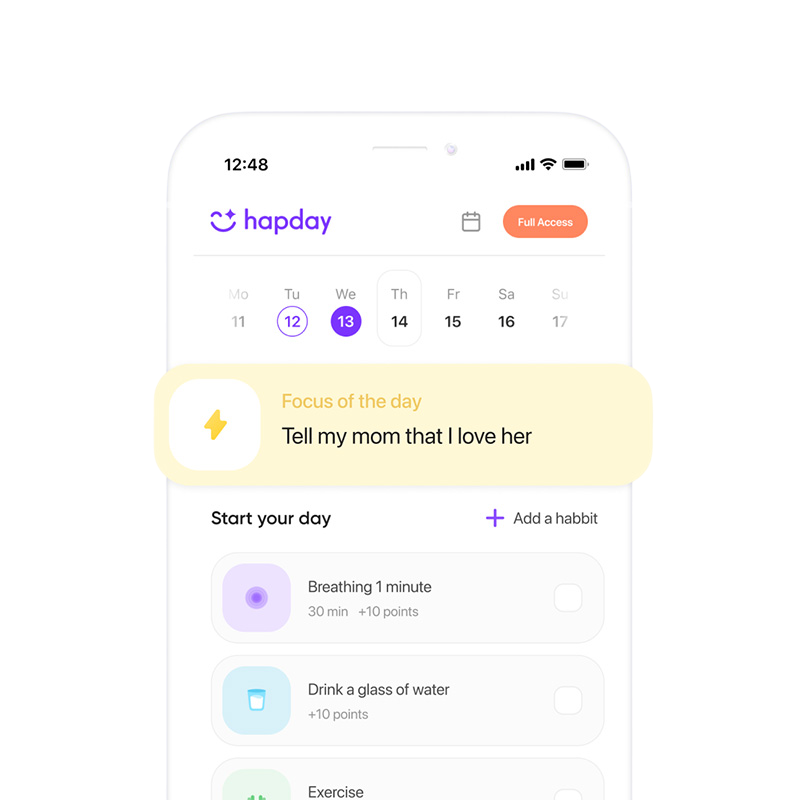
Embracing the journey with self-compassion and tactical planning is essential. Consider tools like the Sunrise ADHD Coach app, which offers habit tracking, focus tools, and AI-driven planning specifically designed for ADHD. Start your journey by downloading it.
References
- Harvard Health Publishing
- Mayo Clinic
- American Psychological Association
- CDC
- National Institute of Health
- American Art Therapy Association
- US Department of Health and Human Services
- National Sleep Foundation
- National Alliance on Mental Illness