




Table of Contents
- Understanding ADHD and Its Impact
- The Significance of Self-Care in ADHD Management
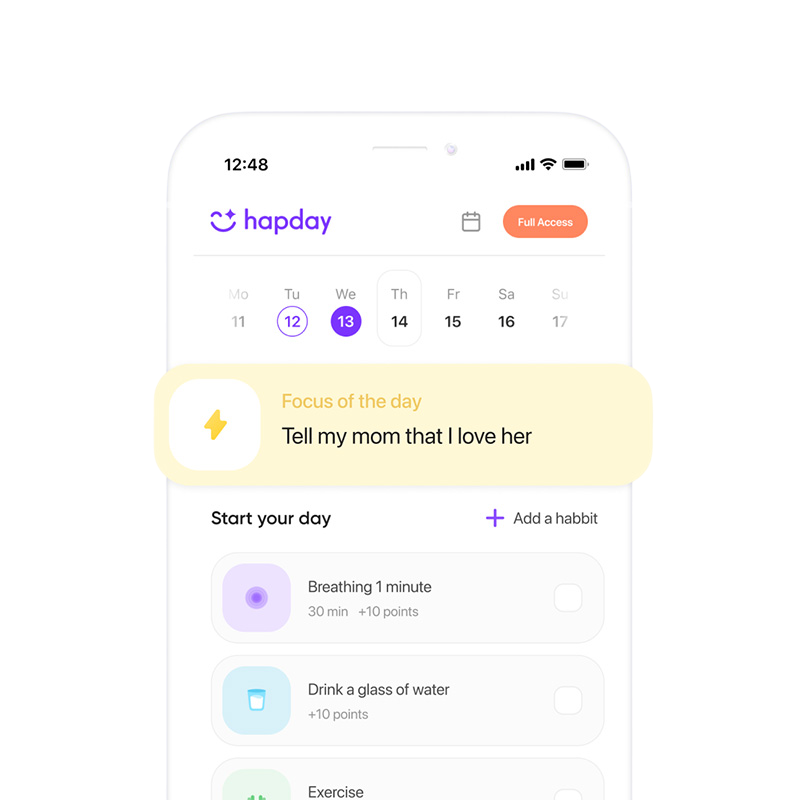
- Creating a Consistent Routine
- Integrating Mindfulness Practices
- Exercise: Fueling the Brain
- Nutrition: Your Brain’s Best Ally
- Sleep Hygiene
- Practicing Emotional Self-Regulation
- Connection and Communication
- Conclusion: Charging Your ADHD Mind
Understanding ADHD and Its Impact
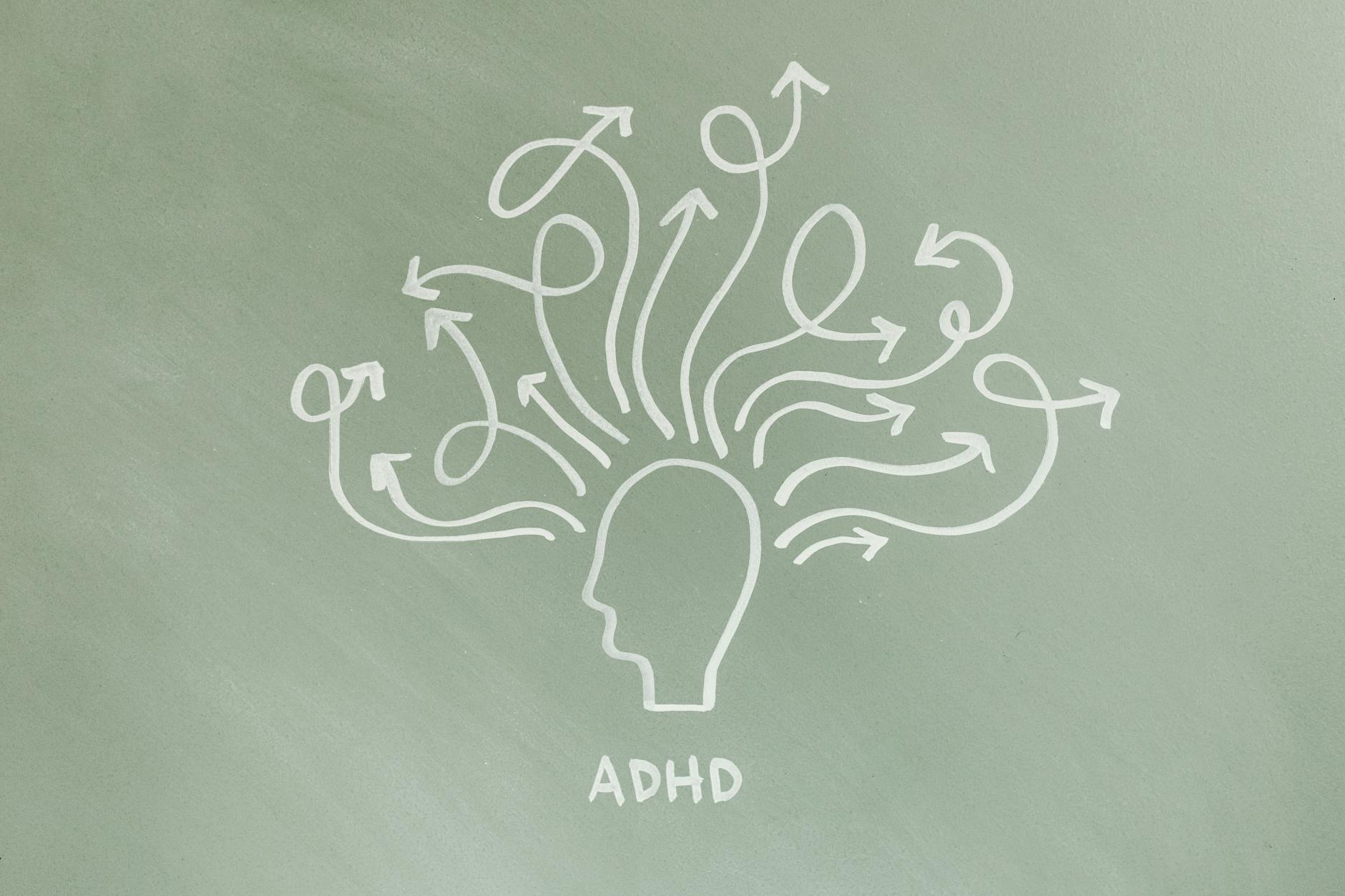
ADHD, a neurodevelopmental condition, impacts about 4.4% of adults worldwide. It manifests as a triad of inattention, hyperactivity, and impulsivity—hardly a rare set of hurdles. For countless adults, focusing on tasks, organizing thoughts, and grasping the slippery concept of time can feel like daily conundrums. The repercussions? Stress, frustration, productivity nosedives. Yet, studies emphasize that self-care strategies, uniquely tailored, can significantly ease these challenges, bolstering well-being.
The Significance of Self-Care in ADHD Management
Let’s tackle a misconception: self-care isn’t some luxurious indulgence. For those navigating the waters of ADHD, it’s essential—a cornerstone of symptom management. By prioritizing self-care, you’re effectively recharging your mental batteries, poised for improved cognitive balance, sharper focus, and amplified emotional equilibrium.
Creating a Consistent Routine
Routine with ADHD—challenging, yes, but transformative too. Establishing regular patterns trims the chaos, offering structure where it’s perennially absent. Start small: designate times for waking, eating, working, and unwinding. Tools? Well, those planners or digital calendars can keep you in check. Talk about evidence: a 2020 study in the Journal of Attention Disorders finds that structured environments enhance executive function in adults with ADHD, improving task completion.
Integrating Mindfulness Practices
Mindfulness—what’s all the fuss about? At its core, it’s attention to the present sans judgment, championed as a therapeutic ally for ADHD. MIT research suggests mindfulness boosts gray matter in the brain, helping with self-regulation and focus. Begin small—perhaps a few minutes of daily mindful breathing, then gradually increase. Apps like Headspace or Calm even tailor programs for ADHD minds, aiming to reduce stress and impulsivity. Can we really ignore such tools?
Exercise: Fueling the Brain
Exercise, a bedrock of ADHD self-care, isn’t just about physical fitness. It’s a mental game-changer. By increasing neurotransmitters like dopamine and norepinephrine, it sharpens concentration, memory, and mood. The plan? Minimum 30 minutes of moderate exercise most days. Find what moves you—running, dancing, or the meditative aspects of yoga.
Nutrition: Your Brain’s Best Ally
Food’s role in managing ADHD is vastly underrated. Omega-3s in fish, antioxidants in vibrant produce—these bolster brain health. Balanced blood sugar from regular meals combining complex carbs and proteins aids focus and cuts irritability. Yet, excessive sugar and caffeine might amplify restlessness—it’s a balancing act.
Sleep Hygiene
Good sleep—easier said than done for many with ADHD. Disturbed sleep patterns wreak havoc on attention, behavior, and mood. Constructing solid nighttime habits? Essential. Dim those lights 30 minutes before bed, curb screen use, and create a sleep-friendly environment. Studies, like those in European Neuropsychopharmacology, link sleep regulation with enhanced daily functioning in ADHD-affected adults.
Practicing Emotional Self-Regulation
Playing tag with emotions is familiar for ADHD adults. Enter Cognitive Behavioral Therapy (CBT), providing tactics to reshape negative thought loops into healthier responses. Journaling thoughts, reflecting on triggers, elevates emotional resilience. It’s not just therapy—it’s a toolkit for life.
Connection and Communication
Isolation doesn’t stand a chance when you lean on connection. Engage with ADHD support groups, whether virtually or face-to-face. Sharing stories, setbacks, and victories enriches understanding. It’s not just therapy—it’s camaraderie, offering fresh coping perspectives.
Conclusion: Charging Your ADHD Mind
Self-care tailored for ADHD minds means nurturing your unique neurodiversity. Incorporating mindfulness, consistent exercise, nutritious diets, and structured routines paves the way to navigate ADHD’s twists and turns. This holistic approach? It recharges your mind, enabling you to thrive and enhancing life’s overall quality.
The journey of self-care is personal—and continuous—but lift your gaze and know you’re not treading it alone. Folding these routines with self-compassion reshapes how you interact with the world. So, why wait? Take a moment today, reassess your self-care practices, and commit to even a minor tweak. It could mean the world. Boldly navigate the ADHD adventure—with self-care as your steadfast compass.