




Table of Contents
- Understanding ADHD and Attention
- Proven ADHD Focus Strategies
- Surprising ADHD Focus Strategies
- Creating an ADHD-Friendly Environment
- Emotional Wellness and Focus
- Summary
Understanding ADHD and Attention
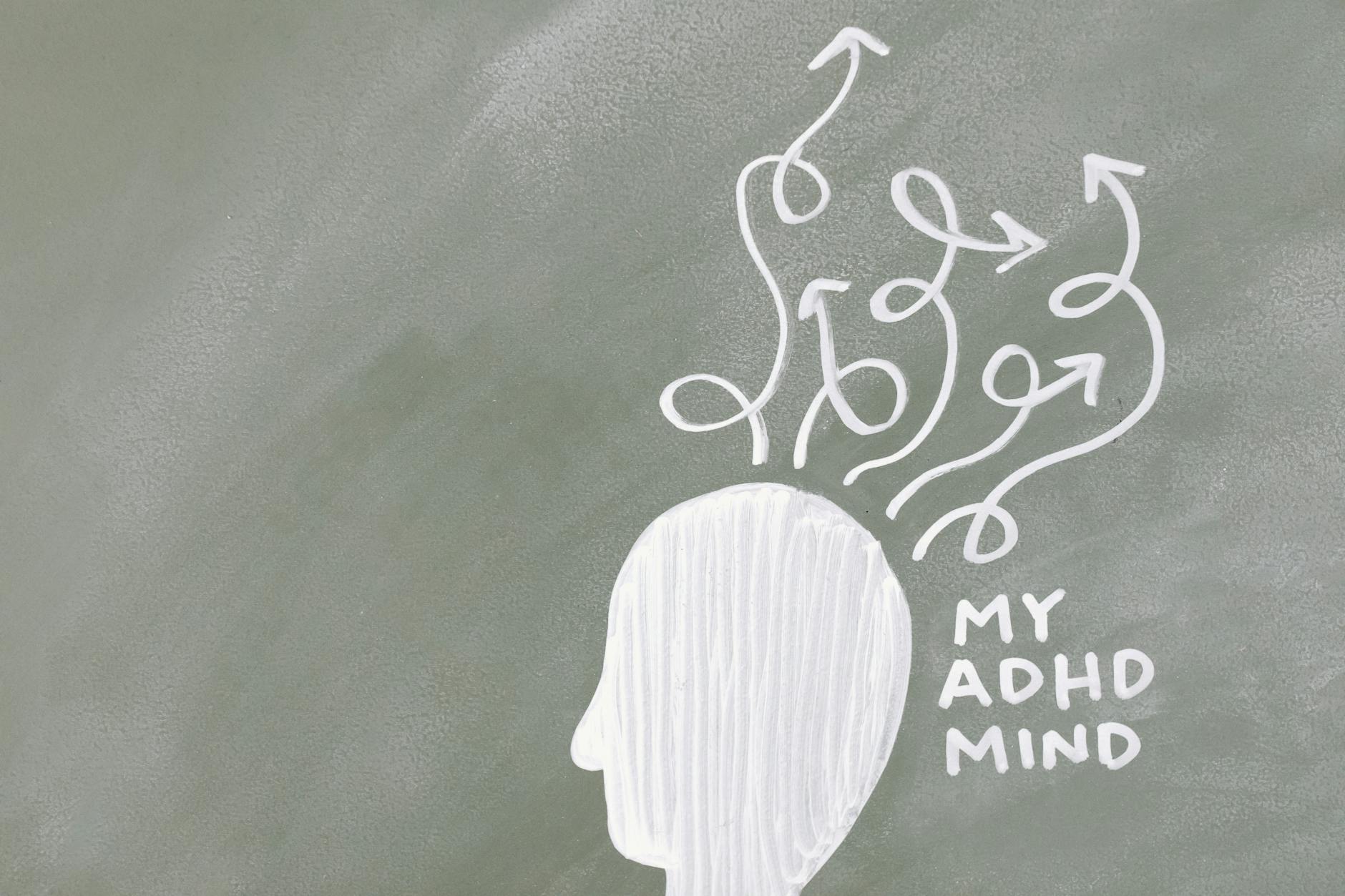
ADHD—Attention-Deficit/Hyperactivity Disorder—affects brain regions tied to attention and executive function. The prefrontal cortex, basal ganglia, and cerebellum show variations in individuals with ADHD, impacting focus and impulse control (National Institute of Mental Health). It’s more than mere distraction—ADHD is a neurological condition shaping mood, organization, and motivation.
Proven ADHD Focus Strategies
- Mindful Meditation
Mindfulness meditation can greatly enhance concentration as it trains your brain to anchor itself in the present moment. Research published in Cognitive, Affective, & Behavioral Neuroscience (Zeidan et al., 2010) showed that brief meditation training bolstered cognitive performance and attention regulation. Begin with five minutes and gradually extend your sessions, focusing on your breath to counteract wandering thoughts.
- Exercise Regularly
Exercise boosts levels of neurotransmitters like dopamine and norepinephrine—vital for attention. According to a study by Pontifex et al. (2013) in The Journal of Pediatrics, 20 minutes of physical activity enhanced attention and academic performance in children with ADHD. While this study zeroed in on younger folks, adults can glean similar benefits—find an activity you enjoy, be it yoga or a brisk walk.
- Use Technology to Your Advantage
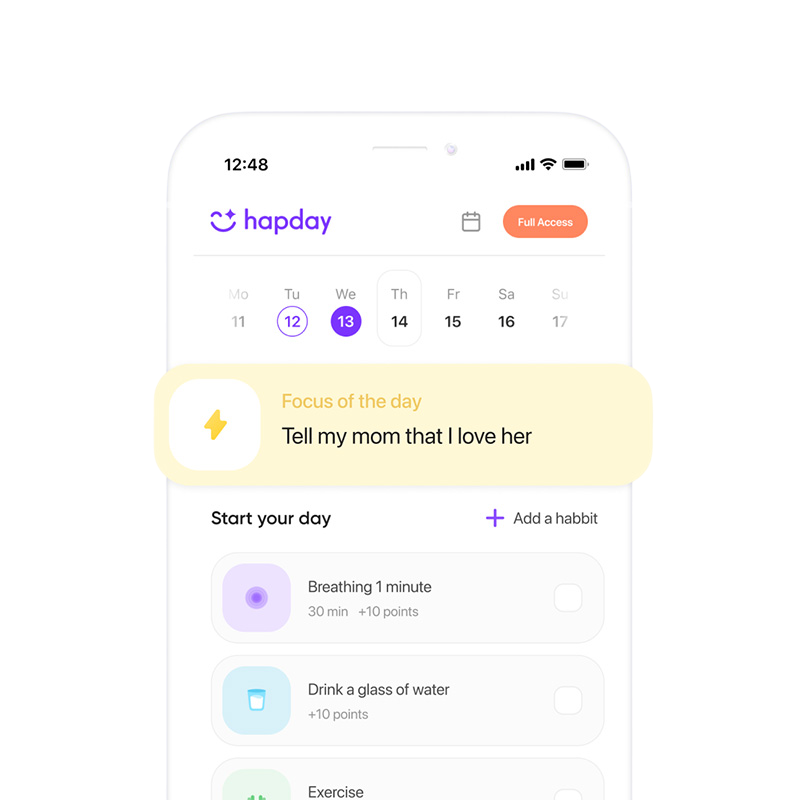
For an ADHD brain that thrives on structure, technology offers tailor-made tools. Apps like Todoist or Trello help break tasks into chewable chunks, while apps like Forest gamify focus, turning time management into a game where you ‘grow’ a tree by staying off your phone. Honestly, why not give it a try?
- Diet and Nutrition
Our diet directly influences brain performance. Foods rich in omega-3 fatty acids—think fish, walnuts, and flaxseeds—can support cognitive function. A 2014 study in European Neuropsychopharmacology suggested a link between omega-3 supplements and enhanced attention span for those with ADHD.
Surprising ADHD Focus Strategies
- Nature Exposure
Embracing nature can unexpectedly bolster your focus. The theory of Attention Restoration hypothesizes that time spent in nature restores our attentional capacity. A study in Psychological Science (Berman et al., 2008) discovered improved focus and cognitive function after a simple walk in the park. So, next time you feel overwhelmed, consider a stroll outside.
- Creative Expression
Engaging in creative activities—even simple ones like journaling or doodling—serves as a meaningful outlet for the chaotic thoughts common in ADHD, offering structured distraction and gradually sharpening concentration over time.
Creating an ADHD-Friendly Environment
- Declutter Your Space
A clutter-filled environment might overburden you with excessive stimuli, heightening distractions. Tidy your area by zeroing in on one space initially; adhere to the ‘one-touch rule’ by handling items, papers, or tasks once and organizing them right away.
- Implement a Sensory Workspace
Personalizing your workspace to alleviate sensory overload can enhance your focus. Consider noise-canceling headphones, fidget tools, or ambient playlists that fashion a calming environment ideal for concentration.
Emotional Wellness and Focus
- Cognitive Behavioral Strategies
Cognitive Behavioral Therapy (CBT) provides tools to reshape thought patterns notably affecting focus. CBT aids in disputing negative thoughts, substituting them with constructive coping strategies. A meta-analysis in the Journal of Attention Disorders revealed notable focus and ADHD symptom improvements over time—quite promising if you ask me.
- Sleep Hygiene
ADHD can lead to disordered sleep patterns, though quality sleep is crucial for concentration. Craft a steady routine, minimize caffeine post-noon, and foster a peaceful sleeping environment. Research in Sleep Medicine Reviews (Langberg et al., 2010) displays how sleep quality directly impacts daily cognitive function and attention.
Summary
Living with ADHD means traversing a challenging, yet opportunity-rich path for growth and adaptation. These ADHD focus strategies, underpinned by credible research, strive to make daily focus attainable. The mix of structured routines, environmental tweaks, and nurturing self-care could empower anyone managing ADHD to excel in personal and professional journeys.
Why not embrace the clarity and productivity these strategies offer? Begin your focus-enhancing journey now. Install an ADHD-friendly app, indulge in a nature walk, or simply organize your workspace. Your mental clarity is closer than it seems.
References:
- Zeidan, F., et al. (2010). The effects of brief mindfulness meditation training on experimentally induced pain. Cognitive, Affective, & Behavioral Neuroscience.
- Pontifex, M. B., et al. (2013). Exercise improves test performance and reduces attention-deficit/hyperactivity disorder (ADHD) symptoms in children. The Journal of Pediatrics.
- Berman, M. G., et al. (2008). The cognitive benefits of interacting with nature. Psychological Science.
- Langberg, J. M., et al. (2010). The role of sleep in attention deficit hyperactivity disorder symptom presentation and academic performance. Sleep Medicine Reviews.