




Table of Contents
- Understanding ADHD and Task Initiation
- The Science Behind Task Initiation
- Practical Strategies for Easier Task Initiation
- Emotional and Physical Environment Adjustments
- Leveraging Technology
- Looking Ahead
Understanding ADHD and Task Initiation
ADHD, or Attention-Deficit/Hyperactivity Disorder, is a neurodevelopmental condition that disrupts one’s attention span, impulse control, and executive functions. Task initiation can be a formidable hurdle for those with ADHD, who grapple with organizing their thoughts and sustaining motivation. A study in Psychiatry Research suggests that around 80% of adults with ADHD wrestle with starting tasks, often leading to procrastination and uncompleted responsibilities (Barkley, 2014).
The Science Behind Task Initiation
The crux of task initiation in ADHD seems to lie in dopamine—it’s that neurotransmitter we associate with pleasure and reward. Generally, an ADHD brain has lower dopamine levels, which makes it difficult to muster up the motivation to tackle tasks that don’t promise immediate pleasure. Consequently, there’s a tendency to defer tasks or get sidetracked by things that offer instant gratification.
Practical Strategies for Easier Task Initiation
Break Tasks into Smaller Steps
Task breakdown is a genuine game-changer for people dealing with ADHD. Simplifying tasks into smaller, digestible bits can ease task initiation. It’s been noted in studies that incremental steps diminish overwhelm and afford more frequent success moments. If you have a daunting report to write, begin, perhaps, by dedicating just ten minutes to outlining. Little victories do add up.
Use Visual and Auditory Cues
Reminders and cues can be powerful allies. Visual prompts like to-do lists alongside calendar alerts act as external nudges, essential for someone with ADHD. Auditory signals—buzzers or notifications—strengthen these prods, aiding task engagement. One might recall that Current Psychiatry Reports mentioned reminder systems boosted task performance by 33% in ADHD adults (Weyandt et al., 2018).
Implement the “5-Minute Rule”
The “5-Minute Rule” is almost like a magic wand: commit to working on a task for just five minutes. More often than not, starting is the mountain to climb. If, after those five minutes, it’s still not clicking, you’ve permission to halt or pivot. This approach alleviates long-duration commitments, nurturing a more pliable mindset and ultimately assisting in task initiation.
Practice Self-Compassion
Self-kindness is key. A 2017 study from the Journal of Attention Disorders found that self-compassion practices, such as positive self-talk and mindfulness, reduced stress and elevated motivation in ADHD adults (Neff & Germer, 2017). Remember, aiming for perfection is less crucial than making progress. Treat setbacks with empathy and value the fact that even starting is an achievement in itself.
Emotional and Physical Environment Adjustments
Create a Conducive Workspace
A clutter-free workspace can make a significant difference, minimizing distractions and facilitating better task initiation. Consider noise-canceling headphones if sounds derail you or nearby fidget tools for those needing a sensory outlet. People differ, of course, so the best environmental setup often emerges through trial and error.
Routine and Structure
Cultivating daily routines with set times for task initiation can weave predictability into an otherwise chaotic experience. Routine serves the ADHD brain by easing decision fatigue about when to start a task. The Journal of Clinical Child & Adolescent Psychology reported that structured routines could alleviate ADHD symptoms and uplift task performance (Antshel et al., 2011).
Leveraging Technology
Use Apps and Tools
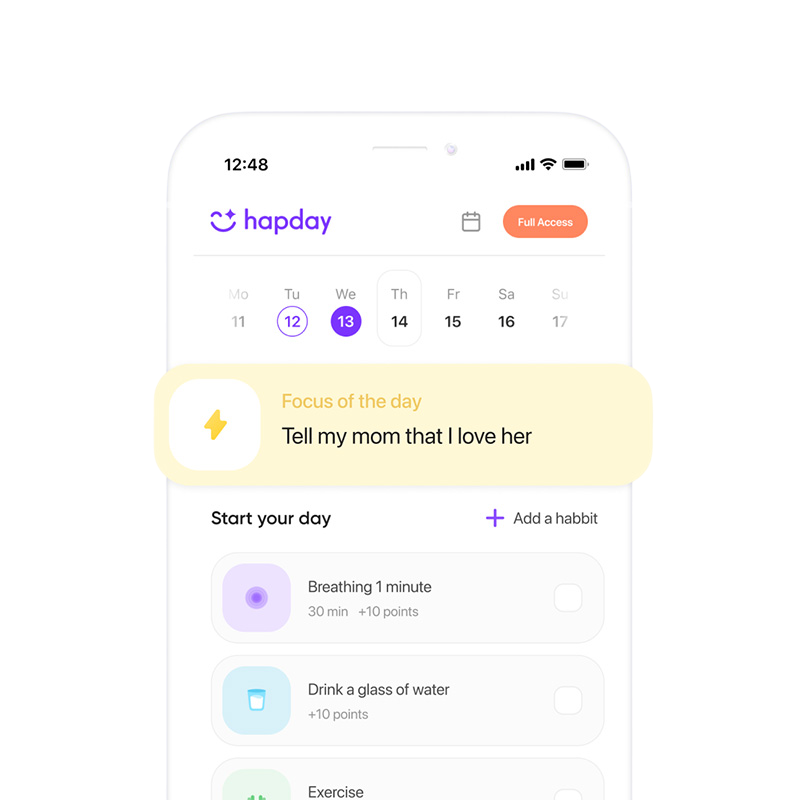
Apps abound to support with task initiation. Tools like Todoist or Trello help break tasks down with visual clarity. Time-tracking apps such as Forest or Pomodoro offer motivation by segmenting worktime with rewards at the end. Technology—our modern-day ally.
Online Support Communities
Engaging in online ADHD communities can provide motivation, accountability, and tactics shared by kindred spirits who know the struggle. Platforms like Reddit’s ADHD subgroup or Facebook groups extend a sense of camaraderie and encouragement.
Looking Ahead
The journey to conquer task initiation is winding, not a straight shot to the finish. With persistence, the consistent application of strategies, and a deep understanding of ADHD’s ramifications, smoother transitions into beginning tasks are attainable. Don’t forget: success is subjective, and even small wins accumulate over time.
Task initiation with ADHD can be tackled by focusing on strategies like breaking down tasks, fostering routines, and harnessing technology. Central to the journey is embracing self-compassion and seeking supportive networks. Start small, nurture self-kindness, and celebrate every stride forward.
Ready to embark on your task initiation journey? Try one of these strategies today, and share your stories with us. We’re all ears!
References:
- Barkley, R. A. (2014). Differential Diagnosis of Adults with ADHD: The Role of Executive Functioning Difficulty. Psychiatry Research.
- Weyandt, L. L., et al. (2018). Using Reminders to Improve Task Performance in Adults with ADHD. Current Psychiatry Reports.
- Neff, K. D., & Germer, C. K. (2017). Mindfulness and Self-Compassion in ADHD. Journal of Attention Disorders.
- Antshel, K. M., Gordon, M., & Barkley, R. A. (2011). Evidence-based Psychosocial Treatments for ADHD. Journal of Clinical Child & Adolescent Psychology.