





Table of Contents
- Understanding the ADHD Mind
- Personalized Routines: Embracing Structure with Flexibility
- Mindfulness: Training the Brain to Pause
- Movement as Medicine: Physical Activity for Mental Wellness
- Nutrition: Fueling Your Brain
- Sleep: The Essential Reset
- Connection: Cultivating Supportive Relationships
- Professional Support: Leveraging Resources
- Closing Thoughts
Key Takeaways
- ADHD affects executive functions making organization and time management challenging.
- Personalized routines, mindfulness, and physical activity can significantly improve daily functioning.
- A balanced diet and quality sleep are crucial for managing ADHD symptoms.
- Strong social connections and professional support enhance emotional well-being for individuals with ADHD.
You wake up, your brain already two steps ahead—preoccupied with unfinished tasks from yesterday. The grocery list you forgot, that text you didn’t reply to, and the pile of clutter on your desk, waiting, insisting. If you live with ADHD, such mornings are likely all too familiar, each day racing forward while you scramble to catch up.
ADHD Self-Care: Essential Tips for Daily Wellness offers practical, science-based strategies to help you navigate life with greater ease and well-being. It connects deeply personal stories with actionable insights, crafting a path not merely to survive, but to thrive amid the chaos. This isn’t about generic advice; it’s about finding what truly resonates with you.
Millions worldwide experience ADHD. The CDC noted that in the United States alone, 6.1 million children have an ADHD diagnosis, and many continue to manage symptoms well into adulthood. It’s not merely about remembering appointments or balancing a checkbook—it’s a neurological condition with profound emotional and mental impact.
Understanding the ADHD Mind
Before delving into self-care tips, let’s pause to peek behind the curtain of an ADHD mind.
“ADHD impacts the brain’s executive functions: organization, time management, and impulse control.”
— Dr. Sarah Chen, Neuropsychologist, NYU
It’s not about discipline or trying harder—it’s about understanding a fundamental neurological difference.
For an adult living with ADHD, life can seem to play on fast-forward, thoughts racing at high speed, making concentrating on the now a challenge. This perpetual motion can trigger a vicious cycle of stress and anxiety—but it doesn’t have to remain that way. Tailored self-care can harness your strengths while managing those notorious challenges.
Personalized Routines: Embracing Structure with Flexibility
The concept of a daily routine can seem both alluring and daunting—a potential ally, yet sometimes strict in its demands. If maintaining a routine feels suffocating, you’re not alone. ADHD individuals often find consistency challenging, yet a personalized routine, buoyed by flexibility, can cater to unique needs.
Take Maya, for instance. At 28, this graphic designer has redefined her approach. By pinpointing her peak productivity moments, she shifts creative work to those hours, leaving less taxing tasks for low-energy times.
“It’s not about sticking to rigid schedules; it’s about cooperating with my brain, not fighting against it.”
— Maya, Graphic Designer
Crafting routines that predictably ebb and flow could reduce stress, improving moods and the brain’s overall function. The APA underscores how individualized routines help sidestep distractions and enhance focus by nurturing consistency over rigidity.
Mindfulness: Training the Brain to Pause
Mindfulness—seems almost contradictory when your mind constantly chases the next thought, right? But here’s the magic: mindfulness isn’t about meditating for hours in silence; it’s about snatching brief moments of calm amid the rush. Sounds doable? It is.
“Mindfulness teaches the brain to slow and observe, not react. This practice enhances attention and awareness.”
— Dr. Rebecca Silverson, Neurologist and Mindfulness Advocate
A couple of deep breaths before tackling a task or savoring your morning coffee’s aromas might be all it takes. Research from the Journal of Attention Disorders indicates mindfulness can boost focus and mitigate ADHD symptoms—a promising tool for self-regulation on this whirlwind journey.
Movement as Medicine: Physical Activity for Mental Wellness
“Dopamine is like a key that unlocks motivation and focus.”
— Dr. Sarah Chen, Neuropsychologist, NYU
For individuals with ADHD, physical activity isn’t just about fitness—it’s a lifeline for mood and concentration. Think of activities you enjoy. Whether it’s a playlist-powered dance-off or grounding yoga sessions, consistency, not perfection, is key.
For Connor, a 34-year-old software developer, short exercise bursts weave naturally into his day, averting monotony and aiding focus resets.
“A quick walk or ten minutes of stretching breaks the routine and helps me refocus.”
— Connor, Software Developer
The documented benefits of exercise for ADHD symptoms are extensive; Harvard Health highlights how it invigorates crucial neurotransmitters like dopamine and serotonin.
Nutrition: Fueling Your Brain
Optimal brain function thrives on a balanced diet. But for those with ADHD, impulsiveness can often derail healthy eating habits. Planning meals with stable blood sugar in mind—rich in protein, whole grains, and abundant in fruits and veggies—can make all the difference.
“Certain foods can exacerbate symptoms, others stabilize mood and concentration.”
— Dr. Michael Hansen, Nutritionist in ADHD Care
For Sarah, linking midday energy slumps to erratic eating led to a focus on balanced nutrition, fueling notable improvements in her mood and productivity.
Sleep: The Essential Reset
ADHD makes sleep a complex affair, where insomnia often joins the party, leaving you exhausted even before the day starts. Yet, quality sleep is vital for cognitive rejuvenation and emotional resilience.
Craft a sleep-friendly environment; perhaps a tranquil ritual with dimmed lights or an electronic blackout can signal it’s time for rest. The National Institute of Mental Health emphasizes structured sleep routines can enhance attention, behavior, and emotional control.
Connection: Cultivating Supportive Relationships
Facing ADHD alone can feel isolating, but nurturing supportive relationships eases emotional stress. Whether through friends, family, or groups, sharing experiences lightens the emotional load.
For Jake, now 30, an ADHD support group became a sanctuary.
“Talking with others who truly get it is comforting.”
— Jake, ADHD Support Group Member
Evidence consistently supports the positive impacts of strong social networks—revealed in Mayo Clinic’s thought-provoking findings—highlighting their role in emotional well-being.
Professional Support: Leveraging Resources
Admitting the need for professional guidance isn’t weakness—it’s strength. Experts like therapists, coaches, and psychiatrists fine-tune strategies and offer invaluable tools for navigating life’s hurdles. Cognitive Behavioral Therapy (CBT) blends skill-building with cognitive shifts, a blend the American Psychological Association champions.
Closing Thoughts
Living with ADHD is a unique odyssey. While the path, undeniably, is strewn with obstacles, integrating mindful self-care can empower a life that celebrates awareness and resilience. By nurturing your mind, body, and relationships, you pave the way for balance and fulfillment.
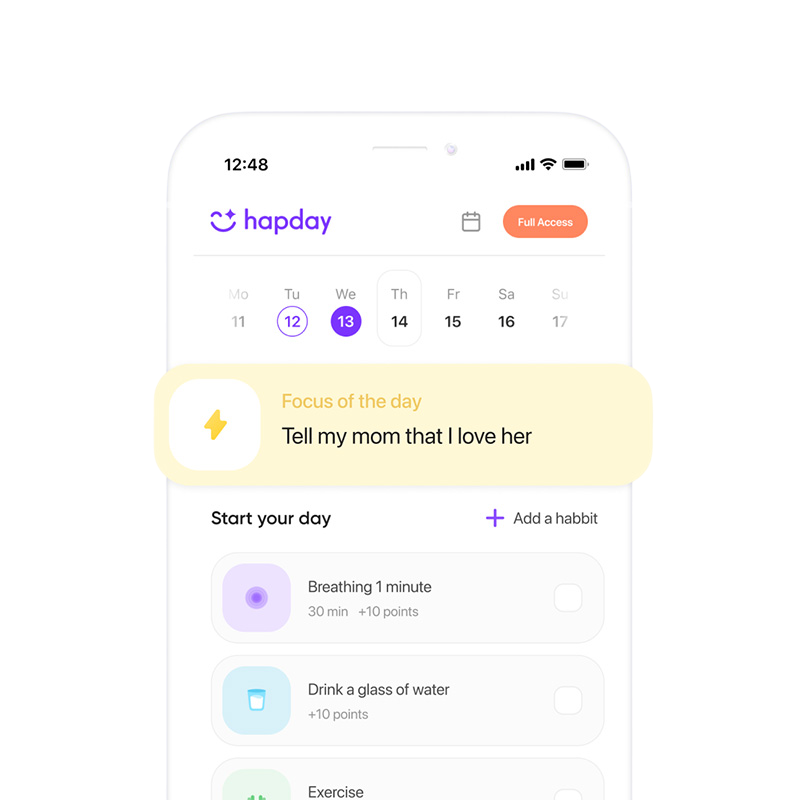
Perfection isn’t the goal; it’s about finding what moves the needle for you, one small step at a time. Your ADHD is but a chapter—not the whole book. Each day invites growth and discovery. For added support, consider Sunrise – ADHD Coach, an app crafted for you, with habit trackers and focus tools, ready to guide your journey. For more details, visit here.
The Bottom Line
Integrating mindful self-care strategies into your life with ADHD can empower you to lead a fulfilling and balanced existence. By embracing routines, prioritizing mindfulness, engaging in physical activity, focusing on nutrition, ensuring quality sleep, nurturing relationships, and seeking professional support, you can transform the ADHD journey into one of growth and discovery.
References
- CDC – Recognizing the vast landscape of neurodiversity, the CDC offers a window into ADHD with essential insights for understanding this journey.
- APA – Through a kaleidoscope of research, the APA reveals how personalized routines become anchors in the ADHD world.
- Harvard Health – Beyond mere exercise, Harvard illuminates the potent link between physical activity and neurotransmitter harmony.
- NIMH – A guide to the silent world of sleep hygiene, decoding the complexities of ADHD dreams and realities.
- Mayo Clinic – The web of connection, expertly untangled by the Mayo Clinic, underscores the vital role relationships play in ADHD wellness.
Embrace your wellness story with confidence and optimism, armed with targeted strategies and bolstered by a community ready to support your echoes of growth.