




Table of Contents
- Understanding the ADHD Mind
- The Science Behind ADHD Energy Boost
- Nourishing Your Body for Mental Clarity
- Lifestyle Modifications for Clarity
- Mindful Strategies for a Mental Lift
- Additional Support Systems
- Conclusion
Understanding the ADHD Mind
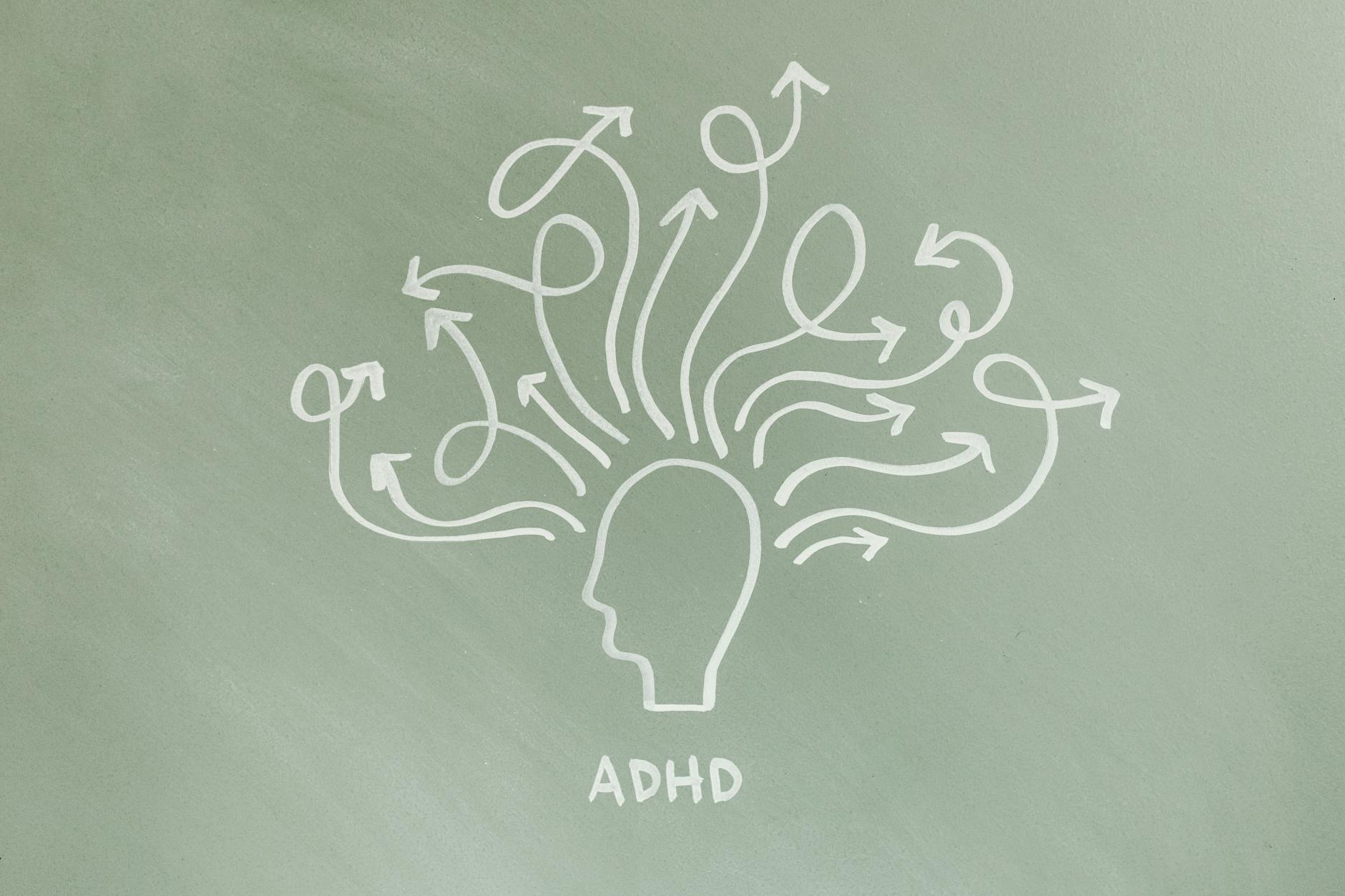
Did you know approximately 4.4% of adults in the U.S. grapple with ADHD? A piece in The American Journal of Psychiatry revealed how dopamine dysregulation muddles things—this neurotransmitter is crucial for motivation and attention. Grasping these complex brain mechanics helps explain why maintaining energy and mental clarity is so critical—and tricky.
The Science Behind ADHD Energy Boost
Unlocking an ADHD energy boost centers on neurotransmitters. Dopamine and norepinephrine are pivotal for maintaining motivation and focus. According to Harvard Health Publishing, in individuals with ADHD, these chemicals don’t quite sync up, affecting sustained attention. Elevating mental clarity? It is all about balancing these neurotransmitters effectively.
Nourishing Your Body for Mental Clarity
1. Prioritize Nutrition
A diet that feeds the brain is essential for clarity. The link between ADHD symptoms and diet? It’s been widely discussed. Back in 2021, a Lancet study noted dietary changes could drastically reduce symptoms in children—what’s stopping adults receiving the same benefits? Omega-3s from fish and walnuts, and complex carbs like whole grains, can boost energy and cognitive ability. And, cutting out excessive sugar and caffeine? It staves off those energy crashes and sharpens focus.
2. Stay Hydrated
Dehydration is no friend to ADHD—it heightens fatigue and mental fog. Think about drinking ample water, maybe 8 to 10 glasses daily, to keep your brain humming. It improves mood, focus, attention span—simple, right?
Lifestyle Modifications for Clarity
3. Establish a Consistent Routine
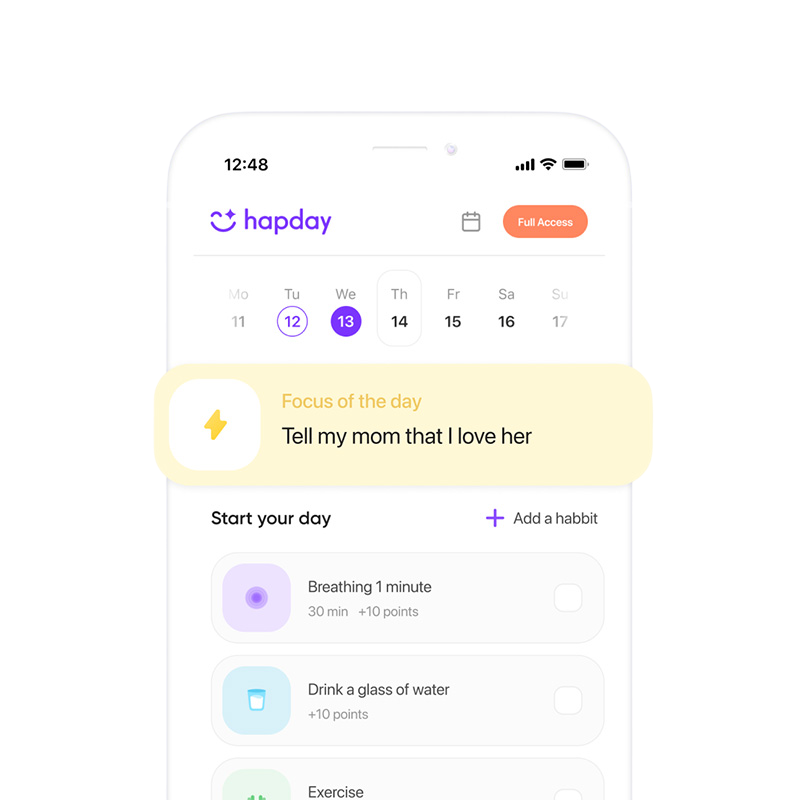
Routine…it tethers the chaotic ADHD mind. Structuring your day helps retain focus, reducing overwhelm. Break the monumental into manageable pieces, whether by using planners or those handy apps—Todoist, Evernote, anyone?
4. Exercise Regularly
Exercise? A powerful ally for mental sharpness. In Neuropsychobiology, a study notes aerobic exercise boosts dopamine and endorphins, enhancing focus and reducing impulsivity in adults with ADHD. Carve out at least 30 minutes for moderate activities—walking, cycling, or a spot of yoga daily.
Mindful Strategies for a Mental Lift
5. Practice Mindfulness and Meditation
Mindfulness offers more than just a moment’s peace. A report from MIT Press Journal highlights its ability to enhance focus and energy, relieving ADHD symptoms. Begin with brief, daily sessions—apps like Headspace or Calm can be your guide.
6. Adequate Sleep and Rest
Quality sleep underpins memory and cognitive functioning. Skip it and ADHD symptoms can get worse. Ensure good sleep hygiene—consistent bedtimes, quiet, dark rooms, and no screens before bed.
Additional Support Systems
7. Therapist and Group Support
Therapy can unearth personalized coping strategies. Cognitive-behavioral therapy (CBT) shows particular promise in managing ADHD symptoms, as noted in a Clinical Psychology Review study. And support groups? They offer community and insight, bolstering mental clarity.
8. Medication Management
Lifestyle changes lay the groundwork, yet medication might be vital for some. The Journal of Clinical Psychiatry highlights how stimulants can effectively boost focus and energy by balancing neurotransmitters. Always consult a healthcare professional for guidance.
Conclusion
ADHD energy boost methods intertwine science with lifestyle, tailored to your unique brain chemistry. The journey isn’t linear—it’s full of discovery and adaptation. But through mindful nutrition, consistent exercise, structured routines, and appropriate support, mental clarity comes within reach, enhancing daily experiences and productivity.
An ADHD diagnosis is no barrier—rather, it’s a chance to explore self-awareness and empowerment. So why wait? Nurture your mind, embrace the unique rhythms of ADHD, and see the change for yourself.
References:
- The American Journal of Psychiatry
- Harvard Health Publishing
- The Lancaster Journal
- Neuropsychobiology
- MIT Press Journal
- Clinical Psychology Review
- The Journal of Clinical Psychiatry