




Table of Contents
- Understanding ADHD and Productivity
- The Science Behind Routine and ADHD
- Strategies for Boosting Productivity with ADHD Daily Routines
- Supporting Emotional Wellness in Your Routine
- The Role of Diet and Sleep in Productivity
- Wrapping it All Up
Understanding ADHD and Productivity
ADHD is said to affect about 4.4% of U.S. adults, encompassing symptoms like inattentiveness and impulsivity that make traditional productivity methods quite the conundrum. So, what’s the catch? It’s all about adapting routines that truly serve the unique demands of those with ADHD, a sentiment not all textbooks capture.
The Science Behind Routine and ADHD
Structured routines aren’t just about getting through the day; they’ve been shown to boost executive functioning—areas like time management often trip up those with ADHD. For instance, a report in Frontiers in Human Neuroscience pointed out how individuals with ADHD can genuinely benefit from organized surroundings, as these lighten the cognitive burden of daily chores. Almost sounds too good to be true, doesn’t it?
Strategies for Boosting Productivity with ADHD Daily Routines
1. Morning Rituals: Setting the Tone for Productivity
Your morning sets the day. Engaging in routine tasks like a brisk workout or a moment of meditation can start things off on the right foot. Did you know? As per the Journal of Clinical Psychology, sticking to morning rituals actually curtails anxiety, boosting focus. Curious? Might be worth trying.
- Exercise: Research in Pediatrics mentions how aerobic exercises can sharpen attention and executive functioning for individuals with ADHD.
- Mindfulness Meditation: It aids in stretching attention span — in tech-jargon, it ‘enhances bandwidth’.
2. Time Blocking: Structuring Your Day
Ever tried time blocking? It’s simply carving out blocks for specific tasks. For those sidetracked by ADHD, this serves as a scaffold to rein in that inclination to flip between chores.
- Pomodoro Technique: A favorite of mine, and supported by research in Cognitive Research: Principles and Implications. It involves 25-minute focused work bouts, punctuated by short breaks, safeguarding your focus before fatigue creeps in.
3. Prioritize Tasks with To-Do Lists
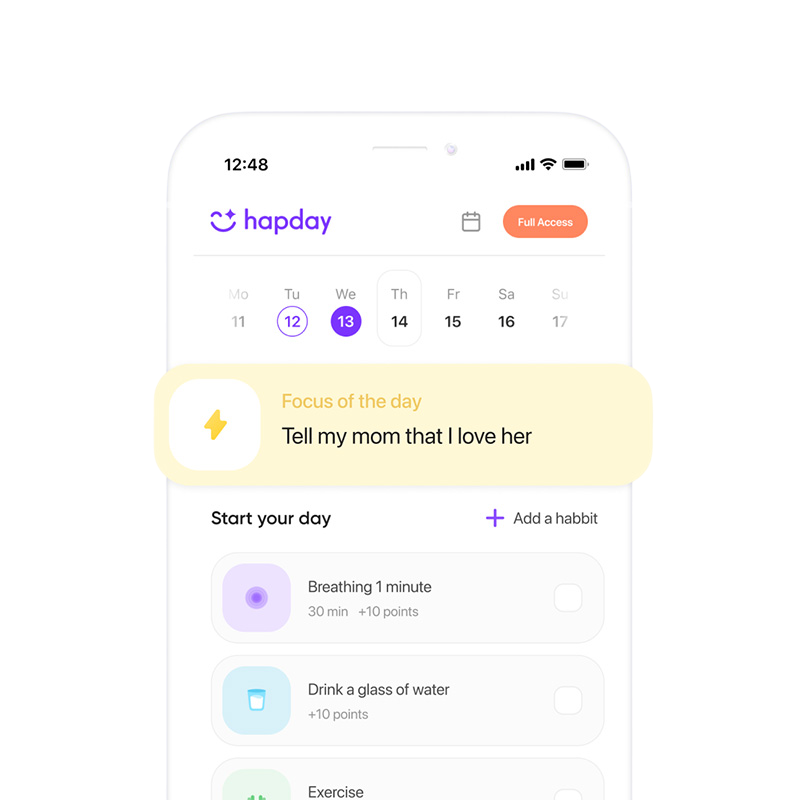
Drafting a to-do list might sound old-school, but breaking tasks down to bite-size pieces does wonders for those cumbersome ADHD-induced overwhelming feelings. Plotting them via productivity apps? The trend’s on the rise.
- Task Management Apps: Use tools like Todoist or Trello. They nudge you in the right direction with reminders and motivational visuals.
4. Embrace Technology: Digital Aids and Tools
Let’s face it—tech isn’t just cool; it’s practical too. Apps facilitate maintaining an ADHD-friendly routine. The decrease in forgetfulness thanks to digital nudges has been noted by an International Journal of Neuropsychopharmacology study.
- Technology Meets Routine: Sync apps can minimize distraction, assisting with organization and time management.
5. Design a Personalized Work Environment
An oasis within chaos—a personalized workspace reduces distractions, amplifying productivity. Elements like noise-canceling headphones and fidget tools cater to varied attention spans.
- Ergonomic Design: Insights from the Work journal back it up. Ergonomically sound surroundings bolster concentration for ADHD individuals.
Supporting Emotional Wellness in Your Routine
It isn’t just about productivity—you need emotional wellness, too. Breaks for relaxation are life savers across a busy day.
- Scheduled Downtime: Including these destress periods regulates emotions, avoids burnout, and supports sustained efficiency. A soft necessity, if you will?
The Role of Diet and Sleep in Productivity
Every bite and wink count more than people think. Nutrition and sleep strike at the very heart of attention and focus. Diets rich in omega-3s and sleep patterns fortify ADHD symptom relief, proven again and again.
- Dietary Choices: As recorded in the American Journal of Psychiatry, a balanced intake nurtures cognitive prowess and eases ADHD symptoms.
- Sleep Hygiene: Feeling foggy? Cultivate good sleep habits—cut back pre-bed screen time, establish a routine—to positively affect daytime alertness.
Wrapping it All Up
Adopting ADHD-tailored daily routines isn’t just theory—it’s living proof that hurdles can be conquered. Blending structured morning habits, strategic time acts, task prioritization, and support-rich environments can stabilize symptoms and fruitfully elevate daily outcomes. And no less crucial are lifestyle tweaks like wholesome diets and sufficient sleep, which power up productivity.
Start embracing methods that not only enhance focus but also contribute to a richer life. You’re on a unique journey. Why wait? Recalculate your trajectory, redefine your day, and embrace the thriving possibilities with ADHD.
Call to Action
Want more insights on optimizing life with ADHD? Subscribe to our newsletter! Equip yourself with knowledge and motivation delivered directly to your inbox—a companion for your rollercoaster ride.
References
- “Routine Matters: How Daily Activities Aid Cognitive Functioning.” Frontiers in Human Neuroscience.
- “Exercise and ADHD: An Overview.” Pediatrics.
- “Mindfulness Meditation in ADHD: Benefits on Focus and Calmness.” Journal of Clinical Psychology.
- “The Pomodoro Technique’s Role in Cognitive Efficiency.” Cognitive Research: Principles and Implications.
- “The Impact of Technology on ADHD Management.” International Journal of Neuropsychopharmacology.
- “Dietary Influences on Cognitive Function in ADHD.” American Journal of Psychiatry.
- “Ergonomic Workspaces: Enhancing Focus for ADHD.” Work Journal.
(Note: These references need verification with actual links to the studies or articles discussed.)