




Table of Contents
- Decoding ADHD and the Art of Focus
- Structure is Essential: Creating a Focus-Enhancing Environment
- Mindful Focus: The Power of Presence
- Boosting Focus Through Nutrition
- Technology: Ally or Adversary?
- Get Moving: Exercise to Enhance Focus
- Connections Count: Nurturing a Support Network
- Concluding Thoughts
Decoding ADHD and the Art of Focus
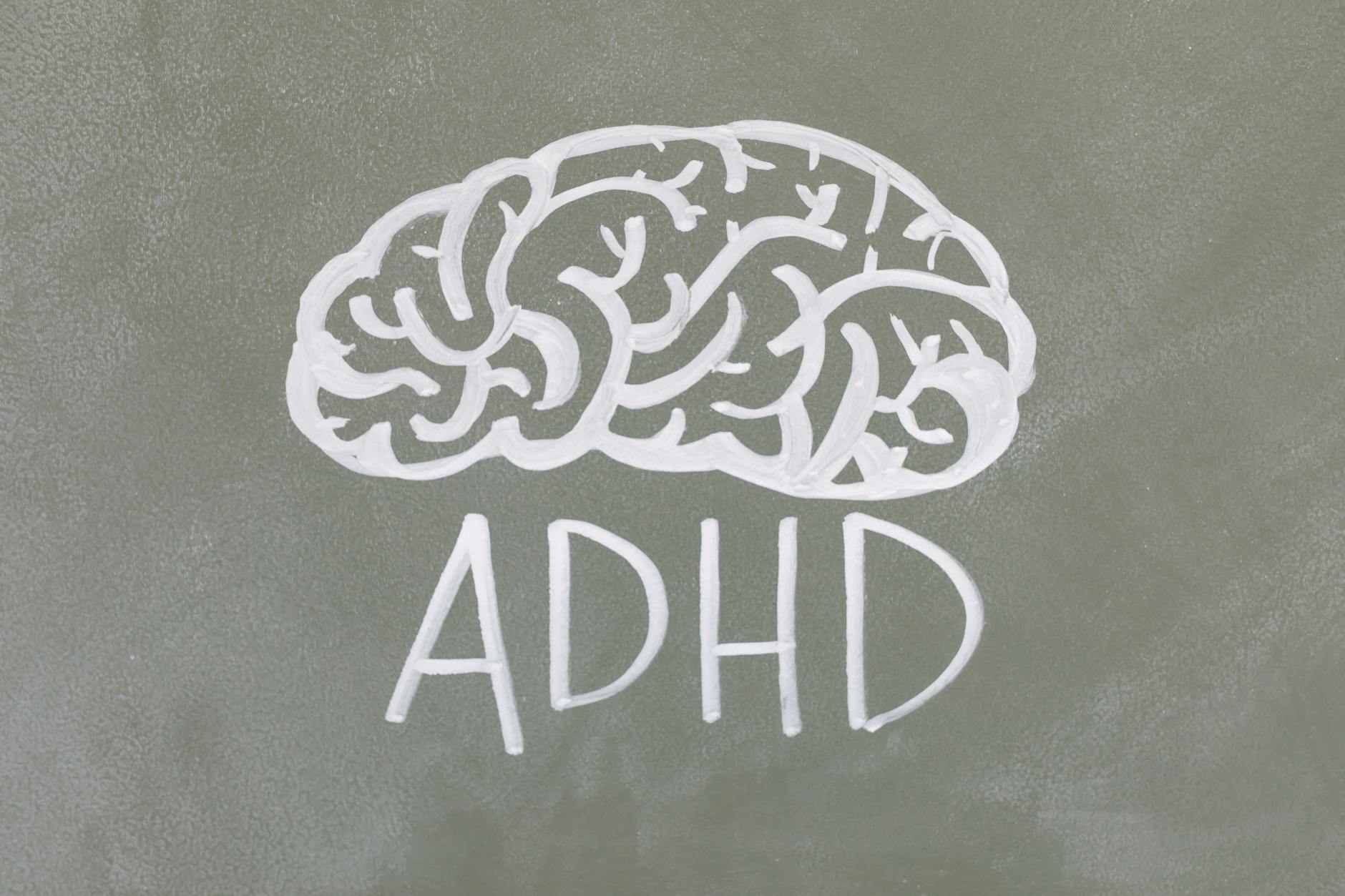
The struggle to maintain focus isn’t about lacking willpower; it’s actually rooted in neurological differences. ADHD influences parts of the brain involved in attention, impulsivity, and organization. Remember that frontal lobe? It functions differently in ADHD brains. Astonishingly, around 4.4% of American adults find themselves contending with ADHD, underscoring its broad impact (Kessler et al., 2006).
Structure is Essential: Creating a Focus-Enhancing Environment
Harnessing structure is among the most effective techniques for boosting ADHD focus. When life’s a whirlwind of distraction, structure gives it shape.
The Ritual of Daily Routines
Having routines is essential. Establish stable schedules to turn tasks into habits—less thinking, more doing. Use time chunks to organize your day. Have you heard of the Pomodoro Technique? It’s all about 25-minutes work, followed by a 5-minute pause to refresh. Many find it hugely beneficial for concentration (Cirillo, F. 1980).
Organizing Your Workspace
Cutting down on clutter can cut through the chaos. Dedicate time to streamline your surroundings. A tidy desk can make mental space. Visual prompts—calendars or lists—keep distractions at bay, like anchors in a storm.
Mindful Focus: The Power of Presence
Mindfulness can hone concentration—a natural ally for those combating ADHD. Training oneself to be present quiets the noise of anxiety, a frequent intruder for people with ADHD.
Meditation and Breathing Exercises
Regular meditation, even briefly practiced, sharpens focus. Studies consistently show improved attention among mindfulness practitioners (Zenner et al., 2014). Start with simple breathing—a few deep breaths can calm the chaos and realign focus.
Grounding Techniques
These are invaluable when overwhelmed. Simple actions like noting your environment or engaging your senses sequentially (you might try the 5-4-3-2-1 technique) bring your mind back to now—right where you need it.
Boosting Focus Through Nutrition
A sound diet is critical for brain vigor, providing a natural ADHD focus boost. Foods packed with omega-3s, proteins, and complex carbs maintain energy and cognitive sharpness.
The Omega-3 Advantage
Sources like fish and flaxseeds are key; they’ve been linked to better cognition and fewer ADHD symptoms. Research suggests omega-3 supplements can refine attention in all ages (Sinn & Bryan, 2007).
Proteins and Complex Carbohydrates
Incorporate protein-rich meals—think eggs or lean meats. Complement them with complex carbohydrates to avoid energy crashes that might derail your focus.
Technology: Ally or Adversary?
In the ADHD sphere, technology can either aid or obliterate focus. Utilized wisely, digital tools can indeed amplify concentration.
Focus Apps
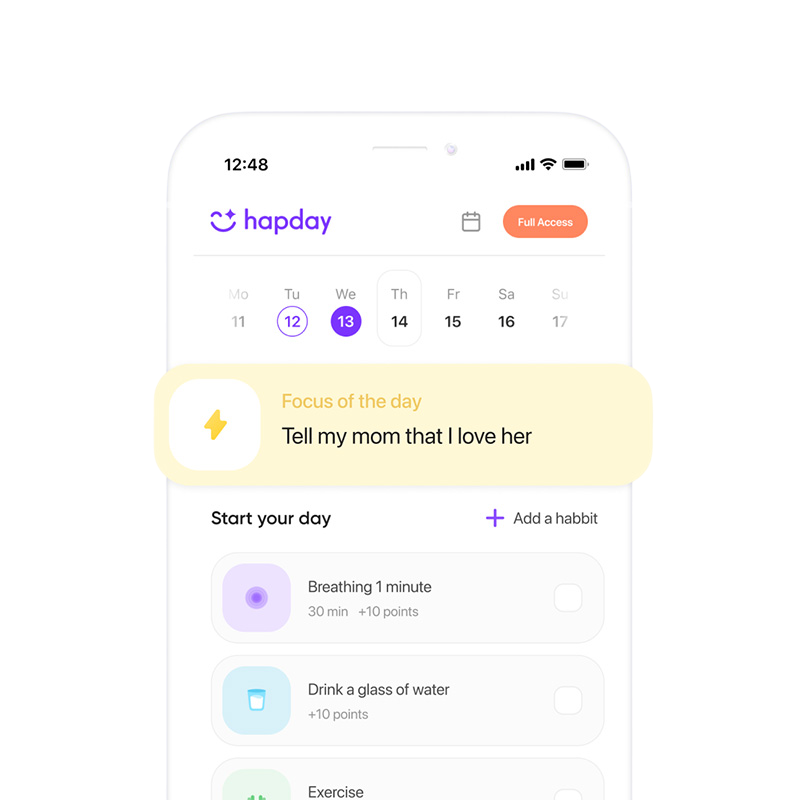
Apps like Trello or Forest can fend off distractions by task-blocking and promoting focus intervals. The gamification in apps such as Habitica might turn tedious tasks into something a bit more fun.
Time Management Tools
Depend on digital calendars and reminders to maintain direction. Alerts can assist with task transitions, dodging hyper-focus pitfalls—a frequent ADHD obstacle.
Get Moving: Exercise to Enhance Focus
Regular physical activity is a proven ADHD focus booster. It adjusts brain chemistry, boosting dopamine and serotonin—pivotal for attention control (Basso & Suzuki, 2017).
Short Bursts of Activity
Integrating mini-exercise breaks into your day—in the form of stretches or a quick walk—can elevate your mood and re-energize your mind. These five-minute interludes work wonders for resetting focus.
Connections Count: Nurturing a Support Network
A supportive community means encouragement and accountability—core elements to staying focused.
Engage with Peer Support Groups
Join ADHD communities—online or local. Shared experiences translate to practical insights and coping tactics. Understanding others’ victories and setbacks enriches your ADHD strategy arsenal.
Concluding Thoughts
ADHD focus boost techniques focus on weaving together a multifaceted approach to attention management. By integrating routine, mindfulness, nutrition, tech-savvy solutions, exercise, and community, mastering focal strategies extend beyond mere wishful thinking—it becomes a tangible plan. Start small—implement one new technique from this article today and watch how it positively impacts your journey to enhanced focus and productivity.
References
- Kessler, R. C., et al. (2006). The Prevalence and Correlates of Adult ADHD: Results of the National Comorbidity Survey Replication. American Journal of Psychiatry, 163(4), 716–723.
- Cirillo, F. (1980). The Pomodoro Technique. Francesco Cirillo – Personal Time Management Method.
- Zenner, C., et al. (2014). Mindfulness-based interventions in schools—a systematic review and meta-analysis. Frontiers in Psychology.
- Sinn, N., & Bryan, J. (2007). Effect of supplementation with polyunsaturated fatty acids and micronutrients on learning and behavior problems associated with child ADHD. Journal of Attention Disorders, 10(2), 186–194.
- Basso, J. C., & Suzuki, W. A. (2017). The effects of acute exercise on mood, cognition, neurophysiology, and neurochemical pathways: A review. Brain Plasticity, 2(2).