





Table of Contents
- Understanding ADHD Focus Challenges
- Proven ADHD Focus Strategies
- Harnessing Support and Building Resilience
- Conclusion
Understanding ADHD Focus Challenges
Distractions happen to everyone occasionally. However, the intensity and frequency of distractions experienced by individuals with ADHD can leave us feeling sidelined. Back in 2013, the American Psychiatric Association stated that about 4.4% of U.S. adults are affected by ADHD — and the symptoms like inattention, hyperactivity, and impulsivity don’t simply vanish with age. These challenges can drastically affect the ability to maintain focus and complete daily tasks.
What’s causing the distraction? People with ADHD often face difficulties linked to executive functioning, which hinders the ability to plan, prioritize, and execute tasks. Combine this with a sensitivity to external stimuli, and it’s clear why distractions persist.
Proven ADHD Focus Strategies
Tackling these challenges isn’t just about coping; it’s about adopting ADHD-focused strategies that can change your daily life. Grounded in cognitive-behavioral approaches and pragmatic life changes, these strategies can be game-changers.
1. Mindful Meditation and Deep Breathing
Mindfulness and meditation stand out as powerful aids when managing ADHD symptoms. Studies, like one by Zylowska et al. in 2008, show that meditation can enhance attention, emotional regulation, and cognitive performance in those with ADHD. Start small — maybe just five minutes focusing on breath — to chip away at anxiety and bolster concentration.
2. Structured Routines and Environmental Modifications
Routines might seem mundane to some, but for ADHD folks, they’re anything but. Creating a predictable daily schedule and using planners to chart tasks can make a world of difference. Additionally, consider altering your space to cut down distractions—it could be as simple as decluttering or using noise-canceling gear.
3. The Pomodoro Technique
Imagine working in bursts of focused energy. The Pomodoro Technique leverages such bursts: 25-minute intervals of work followed by 5-minute breaks. For those of us with ADHD, this could maintain motivation and stave off burnout. A 2010 study in the Occupational Health journal highlights its effectiveness in boosting productivity (Cirillo, 2010).
4. Physical Exercise and Movement
Regular exercise does wonders — enhancing focus by upping blood flow to the brain and releasing mood-boosting chemicals. Be it a brisk walk, a dance-off, or yoga, incorporating movement into daily routines not only sharpens concentration but also grants a bit of stress relief (Pontifex et al., 2012).
5. Diet and Nutrition: Fueling Focus
A balanced diet is a cornerstone for brain wellness, especially for ADHD management. According to Richardson in 2006, Omega-3 fatty acids—abundant in oily fish like salmon—are linked to cognitive improvement. Cutting down on sugar and caffeine may also smooth out those energy peaks and troughs that disrupt focus.
6. Cognitive Behavioral Therapy (CBT)
CBT serves as a respected intervention for ADHD by focusing on reshaping unhelpful thoughts and enhancing problem-solving skills. It’s no surprise it ranks among the top ADHD focus strategies, as noted by Safren et al. in 2005. Engaging in CBT with a licensed therapist can guide you toward adopting these techniques effectively.
7. Digital Tools and Apps
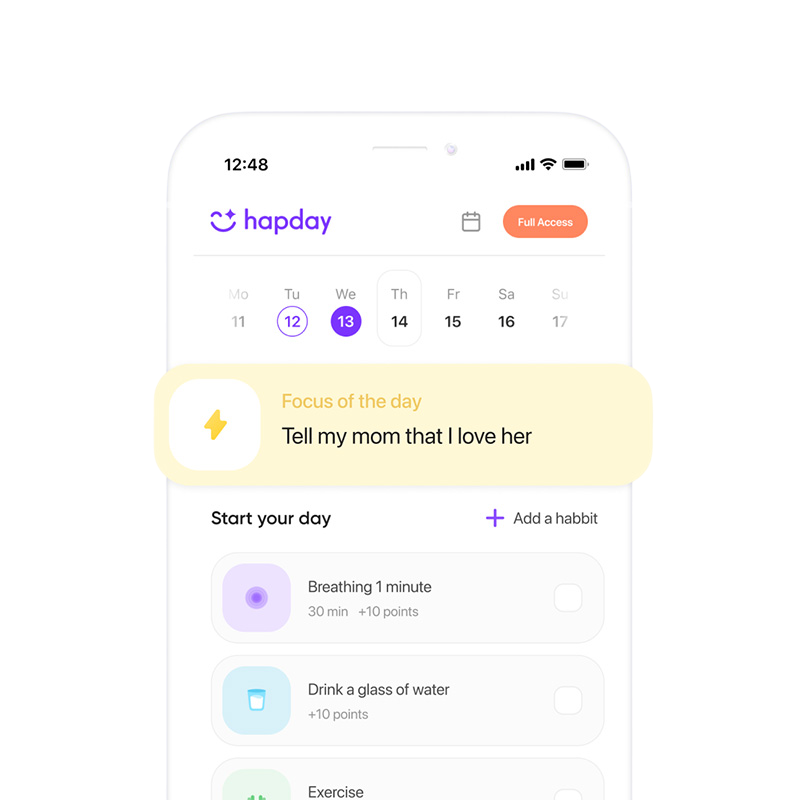
Technology isn’t just a distraction; it can also be a support. Apps such as Trello for organizing tasks, Focus@Will for specialized concentration music, and mindfulness platforms like Headspace can provide the structure and focus necessary to sustain attention throughout the day.
Harnessing Support and Building Resilience
Implementing ADHD strategies doesn’t mean you have to go it alone. Engage with online communities, immerse yourself in ADHD support groups, and keep lines of communication open with family and friends. These support systems offer invaluable understanding, encouragement, and shared strategies.
Above all, foster self-compassion. Perfect isn’t the goal; progress is. Celebrate your victories, however small, and learn from setbacks without undue criticism. Building resilience is crucial for bouncing back from distractions and keeping motivation alive.
Conclusion
While ADHD can pose numerous challenges, employing a toolkit of strategies can help you conquer daily distractions and improve life quality. Cultivating mindfulness, integrating structure, staying active, and maintaining balanced nutrition can help harness your unique strengths and guide you through the maze with confidence. Remember, you’re not walking this path alone — continuous learning and adaptability are vital elements of this journey.
Ultimately, embracing these strategies doesn’t just improve focus but also unveils potential previously obscured by challenges. So, why not explore these methods today and transform obstacles into opportunities?
References:
- American Psychiatric Association. (2013). Diagnostic and statistical manual of mental disorders (DSM-5).
- Zylowska, L., et al. (2008). Mindfulness meditation training in adults and adolescents with ADHD: A feasibility study. Journal of Attention Disorders.
- Cirillo, F. (2010). The Pomodoro Technique.
- Pontifex, M. B., et al. (2012). The role of physical activity in the treatment and management of ADHD: What we know and what we need to learn. Neuropsychiatric Disease and Treatment.
- Richardson, A. J. (2006). Omega-3 fatty acids in ADHD and related neurodevelopmental disorders. International Review of Psychiatry.
- Safren, S. A., et al. (2005). Cognitive behavioral therapy for ADHD in medication-treated adults with continued symptoms. Behaviour Research and Therapy.
Even when feeling overwhelmed is part of the ADHD landscape, remember: each small victory counts! Use these focus strategies and start paving the way to improved concentration today.