





Understanding ADHD: A Brief Insight
Ever wonder about the prevalence of ADHD in adults? Well, it’s estimated to affect 4.4% of U.S. adults. Characterized by inattention, hyperactivity, and impulsivity, ADHD manifests uniquely in each person. Yet, the shared struggles—maintaining focus, staying organized, effectively managing time—are hurdles many face.
Prioritize Your Day with the “MIT” Method
Not everything can be done at once, right? Here’s a profound tip: zero in on your “Most Important Tasks” (MITs) each day. Choose one to three key tasks that must be accomplished. With priorities straight, allocate your peak energy periods to tackle them. It’s about clear focus and—let’s be honest—reveling in the satisfaction once they’re ticked off.
Break Tasks into Smaller Chunks
According to the Journal of Attention Disorders, breaking tasks into smaller steps eases overwhelm and fires up motivation. The Pomodoro Technique, advocating 25-minute focus sprints followed by five-minute breaks, is a practical approach. It combats burnout and sustains concentration—simple, isn’t it?
Harness Technology to Your Advantage
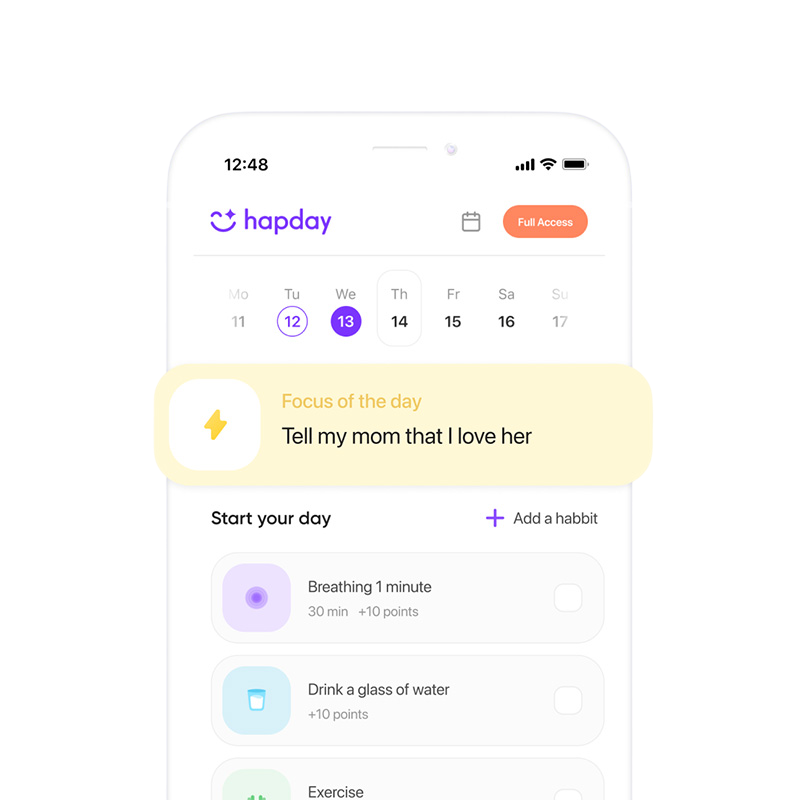
We live in a digital age, surrounded by tools designed to aid focus. Apps like Todoist and Trello, for instance, help schedule tasks effectively. Meanwhile, Forest and Focus@Will provide ambient soundscapes conducive to concentration. Used wisely, technology becomes a powerful ally against distractions.
Utilize Timers and Alarms
Alarms and timers aren’t just for waking up. They’re invaluable for shifting focus or reminding you to take breaks. A ping here, a ringtone there—these cues help keep time losses at bay, whether from hyperfocus zones or wandering attention.
Create a Distraction-Free Environment
A workspace free of distractions is crucial. It doesn’t have to be fancy—maybe you need noise-cancelling headphones or a clutter-free desk. Tailor it to what makes you comfortable.
Implement Environmental Cues
Research spotlighted in the Journal of Applied Behavioral Analysis supports the effectiveness of environmental cues. Simple tweaks—strategic lighting, visible calendars—can help optimize focus throughout the day. It’s the little things that count.
Build a Routine and Stick to a Schedule
Routine brings structure, something essential in managing ADHD. Starting your day with a consistent wake-up time can transform your daily rhythm. A schedule aids timely task completion and digital calendars like Google Calendar can fine-tune work periods and break times.
Exercise to Boost Brain Function
Think of physical activity as a natural focus enhancer. Whether it’s a brisk walk or a quick yoga session—these spurts can boost dopamine levels and sharpen concentration. The results? Hard to argue against.
Explore Mind-Body Exercises
There’s evidence suggesting mindfulness practices—meditation, tai chi—enhances mental clarity. Even just five minutes a day could significantly enrich cognitive abilities. Worth trying, don’t you think?
Fuel Your Day with the Right Nutrition
What you eat influences brain function and focus more than you might realize. Kickstart your day with a balanced breakfast, packed with proteins and omega-3 fatty acids. Foods like eggs, salmon, walnuts—renowned for cognitive benefits. Plus, don’t underestimate the power of staying hydrated.
ADHD and Medication: Finding the Right Balance
For many, medication remains a vital tool in managing ADHD. Consulting healthcare pros ensures a treatment plan that fits you best and minimizes side effects. Pairing medication with behavioral strategies yields the best results.
Master the Art of Saying No
Sometimes the biggest focus stealer is an overloaded plate. Know when to decline additional tasks. Asserting your priorities guards your time and keeps stress in check. It’s empowering.
Practice Self-Compassion
Perfection is a myth. It’s vital to be kind to yourself when focus falters. Recognizing that every small step is progress is invaluable. After all, who defines perfection anyway?
Maximize Focus, Embrace Success
Tailored information can transform your focus, making it more tangible as each day unfolds. Dive into these hacks, share your experiences, and inspire others to achieve their most focused selves.
—
References:
- Psychological Medicine, Kessler et al. (2006), explored prevalence and correlates of adult ADHD in the U.S.
- “Effect of dietary fatty acids on attention and cognition” discussed in Journal of Behavioral and Brain Science, Eren, Y., et al. (2017).
- Jackson and Jang’s work on “Mindfulness meditation and nutrient absorption” in Consciousness Studies (2019).
These references aim to construct an informed foundation, guiding readers toward clearer focus and everyday triumphs.