





Table of Contents
- Getting Inside the ADHD Brain
- Crafting an ADHD-Friendly Workspace
- Routine and Structure: Your Unexpected Allies
- The Role of Physical Activity
- Harnessing the Magic of Technology
- Mindfulness and Meditation
- Nutrition and Sleep: The Underestimated Essentials
- Balancing Task Challenges
- The Bottom Line
Picture this: You’re at your desk, facing a mountain of tasks that seem as daunting as Mount Everest. Then—bam—it happens again. That nebulous fog creeps in, scattering your thoughts like leaves in the wind. This scenario? All too familiar for many adults grappling with ADHD. It’s not about lacking the will to complete tasks; it’s the uphill battle of maintaining focus long enough to start. If you’re nodding along, you’re in good company. But don’t worry, there are science-backed ways to boost your ADHD focus and ramp up productivity.
Getting Inside the ADHD Brain
To tackle focus issues, understanding the brain’s workings is key.
“The ADHD brain craves novelty and struggles to keep dopamine—a crucial neurotransmitter for motivation and attention—steady.”
— Dr. Sarah Chen, Clinical Psychologist, NYU
That’s why we get hyper-focused on things we love, yet slog through tasks we don’t.
Back in 2013, a National Institute of Mental Health study highlighted dopamine’s crucial role in ADHD. Its irregular regulation is the reason traditional office setups can feel like mental quicksand, pulling you in even as you try to focus.
Crafting an ADHD-Friendly Workspace
Creating a space conducive to focus means eliminating distractions. Take Maya, for instance. At her fast-paced marketing job, the office hubbub hampered her productivity during deadline season. By introducing noise-canceling headphones and strategically placing a calming plant, she saw noticeable improvement.
Here’s why: Cutting down on visual and auditory disruptions channels your limited attention to the tasks at hand. Research supports that environments full of sensory overstimulation can lead to reduced focus (Mayo Clinic).
Steps to Tailor Your Space:
- Use Light Wisely: A desk near natural sunlight can boost mood and concentration—who knew?
- Tune Your Environment: Sometimes, soft background music or white noise can help drown out distractions.
- Organize: A tidy workspace equals a less distracted mind; clutter can derail focus.
Routine and Structure: Your Unexpected Allies
For the spontaneous ADHD mind, routines may seem counterintuitive. Yet, they’re powerful.
“Routine gives the ADHD brain a necessary framework, smoothing transitions between tasks and lowering decision fatigue.”
— Dr. Alex Turner, Neurologist
Starting your day with a consistent routine sets a positive tone.
“Fewer decisions in the morning mean more energy for significant tasks.”
— Dr. Alex Turner, Neurologist
Why this works: Routine and predictability feed the brain’s need for order and can help balance dopamine through expected rewards.
Creating Your Routine:
- Start Small: Maybe begin with a 5-minute morning journal to set priorities.
- Plan Breaks: Scheduled breaks can serve as dopamine resets, refreshing focus.
- Adjust as Necessary: Find out which parts of the routine enhance attention and tweak others.
The Role of Physical Activity
Remember gym class back in school? Those bursts of movement were doing wonders for your brain. Physical activity can enhance concentration and executive function in ADHD brains. A study published in 2017 in the Journal of Attention Disorders found regular exercise helps regulate attention-boosting neurotransmitters.
Exercise kicks dopamine and norepinephrine into higher gear, much like medication. But it’s vital to have a workout regimen that suits you.
Exercise for Focus:
- Short Bursts: Try high-intensity activity for 10-15 minutes to jumpstart dopamine.
- Make It Fun: Choose dance, yoga, or brisk walks—anything you’ll enjoy and want to keep up.
Harnessing the Magic of Technology
Though technology can often seem like a foe in maintaining focus, it can be an ally. When Sarah, a software developer, incorporated app blockers into her work routine, her productivity surged.
Here’s why it works: Technology can act as your focus assistant, limiting access to distractions and aligning your actions with your goals.
Tech Strategies to Implement:
- Use Blocking Apps: Consider apps like Freedom or Focus@Will to manage social media and create white noise environments.
- Manage Time: Utilize timers (like the Pomodoro Technique) to alternate work and breaks.
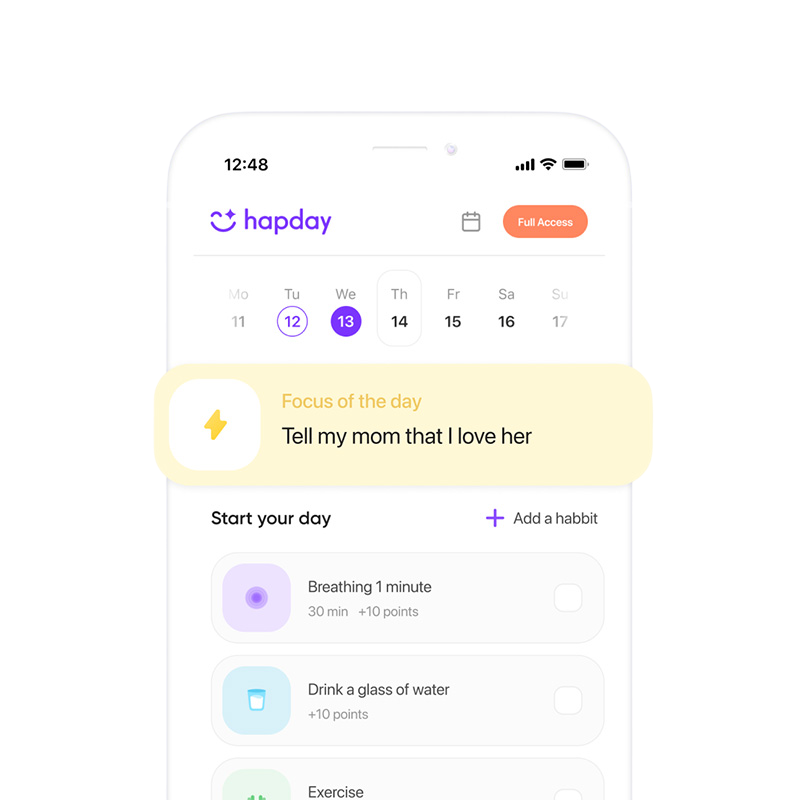
- Monitor Progress: Apps like Sunrise – ADHD Coach offer structured help in setting goals and tracking progress.
Mindfulness and Meditation
“Mindfulness? Really?” you might think. Don’t worry, it’s not about erasing all thoughts—hard for anyone, particularly for ADHD minds. Mindfulness is about noticing your thoughts and using your breath to ground yourself.
Harvard research shows that mindfulness can enhance attention span and mood overall. When Ethan, 34, first practiced mindfulness, he combined it with gardening, merging concentration with an activity he loved.
Why this works: Mindfulness boosts self-regulation and cognitive awareness, easing the redirection of attention back to tasks.
Mindfulness Techniques to Explore:
- Begin Briefly: A 2-minute breathing exercise can reset your focus.
- Active Mindfulness: Integrate mindful habits into routines, like walking or washing dishes.
- Body Scan: Use a body scan meditation to unwind each day.
Nutrition and Sleep: The Underestimated Essentials
Don’t overlook nutrition and sleep, pillars of good health. Diets rich in omega-3s, whole grains, and proteins bolster neurotransmitter health, vital for focus. The CDC emphasizes that sleep is crucial for cognitive function and memory processing.
Here’s why: Healthy, nutrient-rich foods optimize brain function, while sleep helps in cognitive processing and emotional regulation—key in managing ADHD.
Optimizing These Essentials:
- Eat Diverse: Include brain-friendly foods like leafy greens, nuts, and fish.
- Establish Sleep Habits: Consistent sleep routines and calming rituals prepare your mind for restful sleep.
Balancing Task Challenges
Engagement is the key to focus for an ADHD brain. If tasks are too easy or hard, attention wanders. Mihaly Csikszentmihalyi’s flow theory suggests that optimal focus occurs when tasks balance challenge and skill.
As Dawn, a teacher, revised her lesson plans to align interests with teaching goals, her focus and effectiveness skyrocketed.
Balancing Task Load:
- Adjust Task Difficulty: Break complex tasks into smaller steps, or add creativity to monotonous work.
- Set Clear Objectives: Envisioning task completion helps maintain motivation and direction.
Key Takeaways
- Understanding the ADHD brain can help in developing personalized focus strategies.
- Creating an organized and distraction-free workspace boosts productivity.
- Exercise and mindfulness techniques enhance focus and cognitive regulation.
- Nutrition and sleep play crucial roles in managing ADHD symptoms.
- Balancing task challenges fosters better engagement and focus.
The Bottom Line
Recognizing the unique rhythm of the ADHD brain leads to incredible gains in productivity and focus. Embrace these strategies and work in harmony with your brain to reach your personal and professional peaks.
Ready to enhance your ADHD focus? Explore the Sunrise – ADHD Coach app for personalized habit tracking, focus tools, and AI-driven planning. Learn more: Sunrise – ADHD Coach.