




Table of Contents
- Understanding ADHD and Energy Dynamics
- Energy Management: Why It Matters
- Strategies for Optimizing ADHD Energy Management
- Nail Down a Regular Sleep Routine
- Nutrition and Hydration: Your Energy Allies
- Get Moving with Physical Activity
- Tackle Tasks in Manageable Chunks
- Environmental and Behavioral Modifications
- Mental Health and Relaxation Techniques
- Conclusion
- References
Understanding ADHD and Energy Dynamics
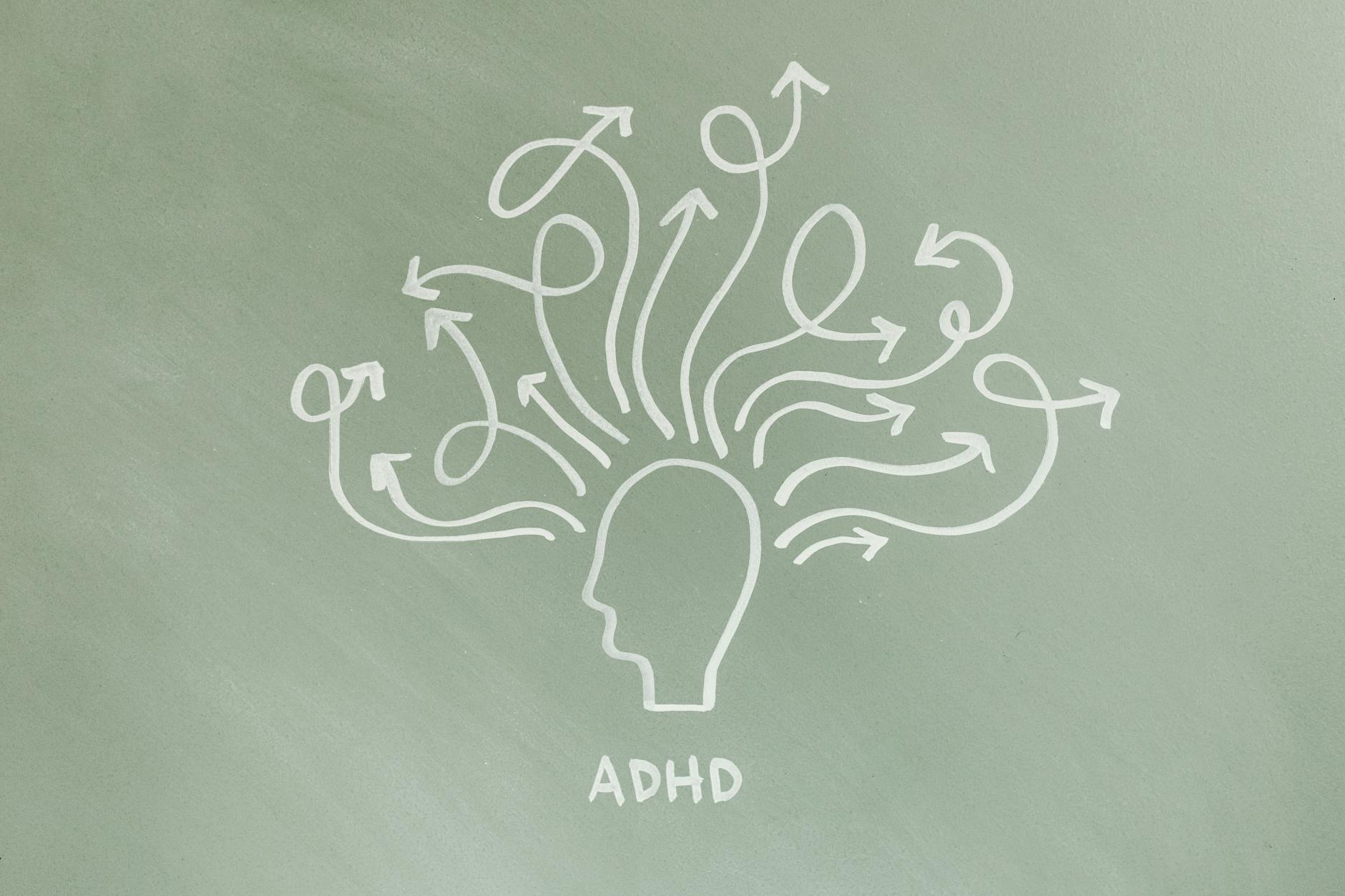
Individuals with ADHD often ride a rollercoaster of energy—oscillating from hyperactivity peaks to deep fatigue valleys. Blame it on the brain’s unique wiring. Research shows that variations in the prefrontal cortex and basal ganglia—the regions entwined with attention, executive function, and energy regulation—could play a part (Brown, T. E., 2006). But isn’t this fluctuating energy just part of the ADHD puzzle?
Energy Management: Why It Matters
Stepping aside from the treadmill of burnout can be life-changing for those with ADHD. Balanced energy isn’t just a buzzword; it’s a catalyst for enhanced cognitive function and a safeguard for mental health. When energy is well-managed, work improves, relationships thrive, and, critically, life quality soars. According to the ADHD Coaching Academy, overcoming daily fatigue can indeed change the game.
Strategies for Optimizing ADHD Energy Management
1. Nail Down a Regular Sleep Routine
Sleep—it’s the unsung hero of energy management. Alas, for many with ADHD, good sleep is a rare gem. The symptoms often sabotage the delicate sleep-wake cycle, leading to restless nights (Cortese, S., et al., 2009). A solid strategy? Stick to the same sleep schedule every day. Not only does this regulate your body’s clock, but it also improves sleep quality and daytime pep.
2. Nutrition and Hydration: Your Energy Allies
What we eat profoundly impacts ADHD-related fatigue. A diet rich in proteins, complex carbs, and healthy fats provides steady energy. Omega-3s, those lovely fish oil components, are not just brain candy—they stabilize mood and energy levels too (Bloch, M. H., & Qawasmi, A., 2011). And dehydration? A surefire way to drain your zest.
3. Get Moving with Physical Activity
Exercise is dynamite for managing ADHD energy. The rush from endorphins lifts mood and zaps energy into your day. Whether you’re striking a yoga pose, gliding through the water, or swaying to a rhythm, these activities offer dual benefits: physical health plus reduced ADHD symptoms through sharper focus and curbed impulsivity (Berwid, O. G., & Halperin, J. M., 2012).
4. Tackle Tasks in Manageable Chunks
Staring down a big task can be paralyzing—and that’s when energy quietly escapes. Break these mammoths into smaller pieces to make them less intimidating. Short breaks can rekindle your mental energy, staving off burnout. Many swear by the Pomodoro Technique—25 minutes of work, then a 5-minute rest—as a productivity boon.
Environmental and Behavioral Modifications
Cultivate a Work-Friendly Space
The setting around you can heavily influence your stamina and output. Aim for an orderly workspace that minimizes distractions and focuses your mind. Think natural light, comfortable seating, limited clutter—it’s like a greenhouse for productivity!
Enforce Boundaries and Time Limits
Time management? A notorious hard sell for those with ADHD, often leading to exhaustion. Define strict work hours and heed them. Timers and alarms can assist in keeping to time limits and easing transitions between tasks or breaks.
Mental Health and Relaxation Techniques
Cultivate Mindfulness and Meditation
Mindfulness—meditation, deep breaths—these tools are gold when it comes to managing ADHD energy. They help center the mind, divert distractibility, and relieve stress, all of which can usher in fatigue. Did you know a study by Zylowska et al. (2008) pointed to mindfulness training as a boon for easing ADHD symptoms and bolstering emotional control?
Revel in Leisure Activities
Hobbies and leisure pursuits can rejuvenate you, keeping stress and fatigue at bay. Whether it’s painting, sinking into a good read, or biking along a scenic trail, activities that bring joy can be a lifeline, reinfusing your day with vitality.
Conclusion
Efficiency in managing energy can make a world of difference for individuals languishing under ADHD’s weight. It’s about beating fatigue, crafting a life of balance and productivity. By cultivating healthy habits and conserving energy, those with ADHD can boost focus, propel productivity, and nurture better mental health. Know your energy rhythms, cherish self-care, and adopt informed lifestyle changes—this could be your roadmap to mastering energy and outpacing fatigue.
Ready to take charge of your ADHD energy management and transform your daily life? These actionable strategies could unlock new heights of productivity and well-being—give them a try!
References
- Brown, T. E. (2006). Executive Functions and Attention Deficit Hyperactivity Disorder: Implications of Two Defining Patterns of Impairment in the Dimensional Model. Psychiatric Clinics of North America.
- Cortese, S., et al. (2009). Sleep in children with attention-deficit/hyperactivity disorder: Meta-analysis of subjective and objective studies. Journal of the American Academy of Child & Adolescent Psychiatry.
- Bloch, M. H., & Qawasmi, A. (2011). Omega-3 fatty acid supplementation for the treatment of children with ADHD symptomology: Systematic review and meta-analysis. Journal of the American Academy of Child & Adolescent Psychiatry.
- Berwid, O. G., & Halperin, J. M. (2012). Emerging support for a role of exercise in attention-deficit/hyperactivity disorder intervention planning. Current Psychiatry Reports.
- Zylowska, L., et al. (2008). Mindfulness Meditation Training in Adults and Adolescents with ADHD: A Feasibility Study. Journal of Attention Disorders.