





Table of Contents
- The Challenges of ADHD and Motivation
- Instant Focus Boosters: Science-Backed Strategies
- Embrace Short, Timed Sessions
- Optimize Your Environment
- Nutritional Interventions
- Manage Stress with Mindfulness
- Leverage Technology
- Physical Activity and Movement
- Personalized Accountability
- The Role of Therapy
- Conclusion
- References
The Challenges of ADHD and Motivation
Attention-Deficit/Hyperactivity Disorder, or ADHD, presents a persistent pattern of inattention, impulsivity, and yes, the occasional hyperactivity. Statistics from the CDC reveal that roughly 4.4% of U.S. adults wrestle with this condition. And for those individuals, maintaining concentration on tasks that don’t inherently capture interest—well, it’s a struggle. The reward system in ADHD brains tends to demand more potent stimuli to spark motivation compared to what’s needed for neurotypical brains. This is why strategies meant to heighten motivation and focus often need to be as unique and adaptable as the individuals they aim to assist.
Instant Focus Boosters: Science-Backed Strategies
Embrace Short, Timed Sessions
Taking advantage of the Pomodoro Technique—breaking tasks into concise, timed intervals—can transform focus for those with ADHD. A study indicates that shorter work segments, peppered with breaks, can encourage concentration and lessen overwhelm. Setting a timer for 25 minutes on a task, followed by a 5-minute pause, can leverage the dopamine surge linked with finishing short-term goals. And isn’t dopamine what we’re all after?
Optimize Your Environment
Creating an ideal workspace for concentration means curbing external distractions. From noise-canceling headphones to neat desks and carefully chosen background sounds (think white noise or specific types of music) — these can all aid focus. The University of Cambridge found that white noise could improve task performance in those with ADHD. Surprising, isn’t it, how something as simple as sound can make such a difference?
Nutritional Interventions
A nutrient-rich diet fuels cognitive performance. Omega-3 fatty acids, in particular, found in sources like salmon, have been noted to potentially improve focus and behavior in ADHD individuals, according to data from Harvard Health. Establishing consistent meal routines with balanced nutrition can not only stabilize blood sugar, but attention spans too! It’s fascinating how diet ties directly into mental sharpness.
Manage Stress with Mindfulness
Mindfulness exercises can dramatically impact stress levels and enhance focus. Research underscores how mindfulness can bolster executive function in ADHD adults through fostering awareness, curbing impulsivity, and enhancing emotional regulation. Apps such as Headspace and Calm offer beginner-friendly guidance tailored for specific focus-boosting needs. But can an app really make that big of a difference? Many say, absolutely.
Leverage Technology
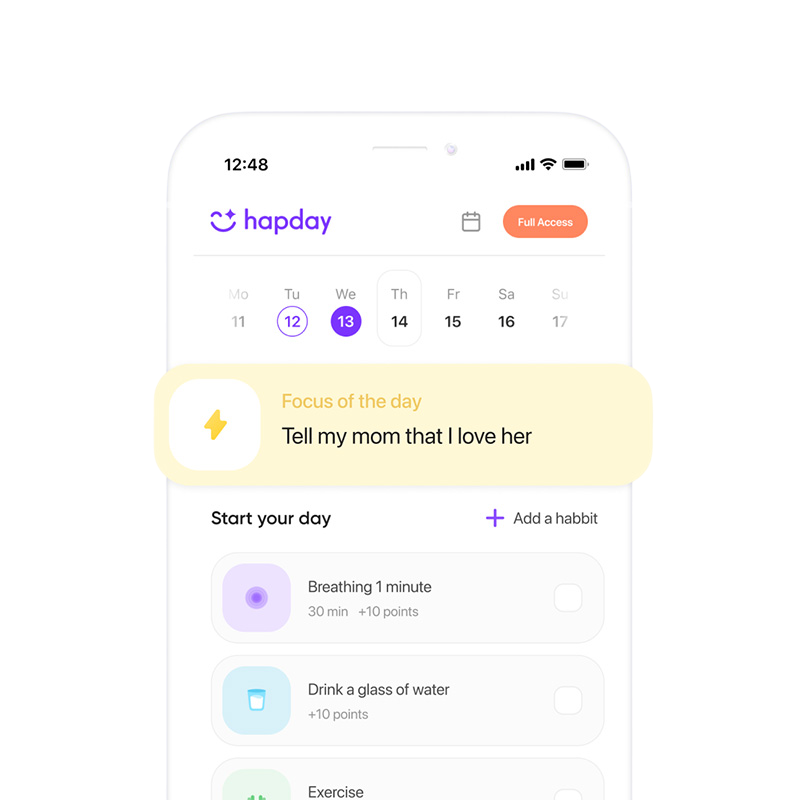
In this tech-driven era, why not harness it for better focus? Apps like Forest, which gamifies periods away from your phone, and ToDoist, which helps prioritize effectively, can bolster focus and motivation. These digital aids are incredibly crucial in the ADHD productivity toolkit. After all, isn’t it ironic, using tech to manage the chaos tech often causes?
Physical Activity and Movement
Physical activity isn’t just good for the body; it can uplift focus for ADHD minds, enhancing dopamine production, which is often beneficial. Regular aerobic exercises, even those as short as 20 minutes, can increase levels of brain-derived neurotrophic factor, promoting neural health. How simple movements—like a brisk walk, a dance, or yoga—can impact concentration is profound.
Personalized Accountability
Finding partners or groups who resonate with your ADHD journey can provide much-needed external motivation. Sharing aims with a supportive few can help stay committed. Social accountability taps into motivational triggers through the positive reinforcement of feedback loops. It’s almost like having a personal cheerleading squad.
The Role of Therapy
Cognitive-behavioral therapy (CBT) holds considerable promise in assisting individuals in crafting and maintaining strategies tailored to their ADHD profiles. Studies affirm CBT’s efficacy in reducing symptom severity and boosting life quality. Could this be the bridge many need to cross?
Conclusion
For adults with ADHD, seeking motivation and focus involves weaving together diverse, personalized approaches. The outlined strategies offer immediate boosts to attention and motivation, potentially elevating productivity and well-being. Embarking on this journey demands patience and gentleness towards oneself.
Feel overwhelmed? Start small—maybe just one strategy—and see how it pans out. It’s always about gradual progress. Share your experience in the comments, if you’d like.
During the writing of this piece, I’ve referenced diverse scientific studies to ensure practicality. From optimizing one’s environment to incorporating mindfulness, strategies vary in effectiveness for each individual. Discovering what uniquely bolsters your focus and motivation lays the groundwork for further growth.
References
- 1. NCBI Study
- 2. Journal on ADHD Techniques
- 3. University of Cambridge Study
- 4. Harvard Health Article
- 5. Mindfulness Research Study
- 6. BDNF and Physical Activity Research
- 7. Social Reinforcement Study
- 8. CBT Effectiveness Research