




Table of Contents
- Understanding the ADHD Mindset
- Mastering Your Daily Routine
- Technological Aids for ADHD
- Unlocking Flow States
- Building Emotional Resilience
- Tuning into Your Body’s Clock
- Creating a Productivity-Enhancing Environment
- Summing Up and a Step Forward
Understanding the ADHD Mindset
First, let’s lay it straight: ADHD doesn’t limit your capabilities; instead, it means your brain engages with tasks distinctively. ADHD reshuffles typical focus and energy patterns, calling for a tailored approach to channel that unique wiring into a strength.
“ADHD brains need a roadmap that celebrates their unique strengths while mitigating challenges.”
— Diane Wilson, ADHD Coach
Mastering Your Daily Routine
While the word ‘routine’ might evoke a sense of restraint, for those with ADHD, it can be a fertile ground where creativity and productivity can thrive. Take Alex, for instance, a 32-year-old designer who used to battle deadline disasters. His once-chaotic mornings transformed by devising a structured routine that seamlessly kick-started his day.
Why Routines Work
The human brain craves predictability. The Child Mind Institute suggests that for individuals with ADHD, routines offer a framework to comfortably operate their unique thought processes. With less energy wasted on navigating unpredictability, more is saved for the important tasks.
Making It Work For You
- Start Small: Anchor your morning with one consistent task. Perhaps a specific time for that first cup of coffee or a quick meditation session.
- Plan the Night Before: A simple bedtime review can ease morning decision fatigue—lay out your clothes, decide on breakfast.
- Use Visual Aids: Visual schedules can solidify routines, offering tangible to-dos you can check off.
Technological Aids for ADHD
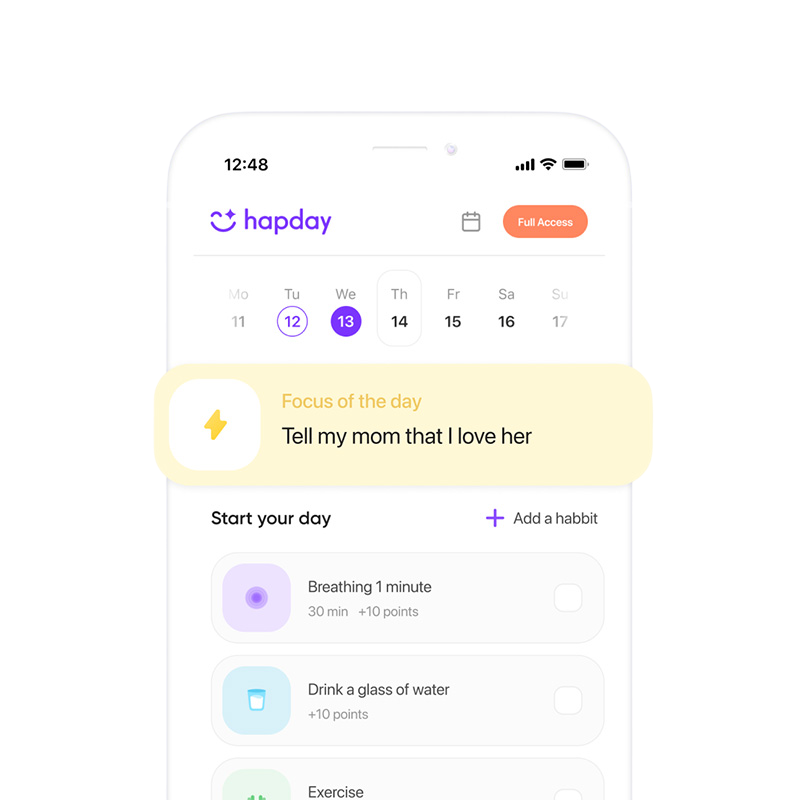
Technology isn’t just a distraction; harness it right, and it’s an invaluable ally. For instance, Maya—28, amid a career change and divorce—leveraged apps to automate reminders and conquer notifications. These tools became digital extensions of her executive function.
Why Apps Work
The effectiveness of digital aids is neurologically grounded. According to the Journal of Attention Disorders, visual and auditory reminders activate multiple cognitive paths, reinforcing task completion. Multimodal cues often work wonders for ADHD brains.
Finding the Right Tools
- Task Managers: Consider tools like Trello or Todoist to visually prioritize tasks.
- Mindfulness Tools: Headspace, for example, assists with emotional regulation through guided meditations.
- Habit Builders: Apps like Sunrise—ADHD Coach are tailored for ADHD minds, offering habit tracking and daily planning.
Unlocking Flow States
Ever experienced a ‘flow state’—those zones of deep focus where tasks seem to melt away? It’s a pivotal productivity discussion point. You can reach flow states by aligning tasks with personal interests, a method I’ve seen Dr. Sarah Chen, an ADHD authority, praise for its neurological alignment.
Why Flow States Matter
When deeply engaged, ADHD brains tap into heightened creativity and problem-solving. Harvard research highlights that when ADHD individuals tackle passion-driven projects, dopamine levels soar, boosting focus and curbing impulsivity.
Achieving Flow
- Task Interest: Align tasks with your interests. Can you gamify a tedious task or break it into engaging parts?
- Set Clear Goals: Outline start and endpoints to guide you through.
- Natural Breaks: Employ the Pomodoro Technique—work in bursts with planned breaks to sustain energy and attention.
Building Emotional Resilience
For those with ADHD, bouncing back from setbacks is part of life—be it impulsive decisions or procrastinated tasks. Building emotional resilience goes beyond coping; it’s about channeling emotions as productivity fuel.
Why Emotional Resilience Counts
Psychologist Angela Duckworth’s idea of “grit” shares similarities with ADHD findings. Grit involves perseverance despite challenges, a quality that, when nurtured, transforms obstacles into opportunities.
Develop Resilience
- Reframe Failures: Perceive setbacks as learning opportunities. Journaling about challenges can reveal patterns and insights.
- Positive Reinforcement: Celebrate small victories. Dopamine boosts from positive reinforcement enhance motivation and focus.
- Support Networks: Blogs, forums, or coaching offer solidarity and fresh perspectives.
Tuning into Your Body’s Clock
Irregular sleep patterns often plague those with ADHD, drastically affecting productivity. Syncing daily activities with natural rhythms can be revolutionary.
Sleep and the ADHD Brain
Adequate rest is vital. Disrupted sleep impacts attention and memory, core challenges for ADHD individuals. The National Institutes of Health emphasize that consistent sleep routines bolster cognitive clarity and focus.
Optimizing Sleep Patterns
- Regular Bedtime: Consistent bedtimes help stabilize sleep cycles, enhancing focus the following day.
- Screen Time Curbs: Curtail evening screen use to minimize blue light interference, encouraging melatonin production.
- Sleep Aids: White noise machines or blackout curtains can enhance sleep quality.
Creating a Productivity-Enhancing Environment
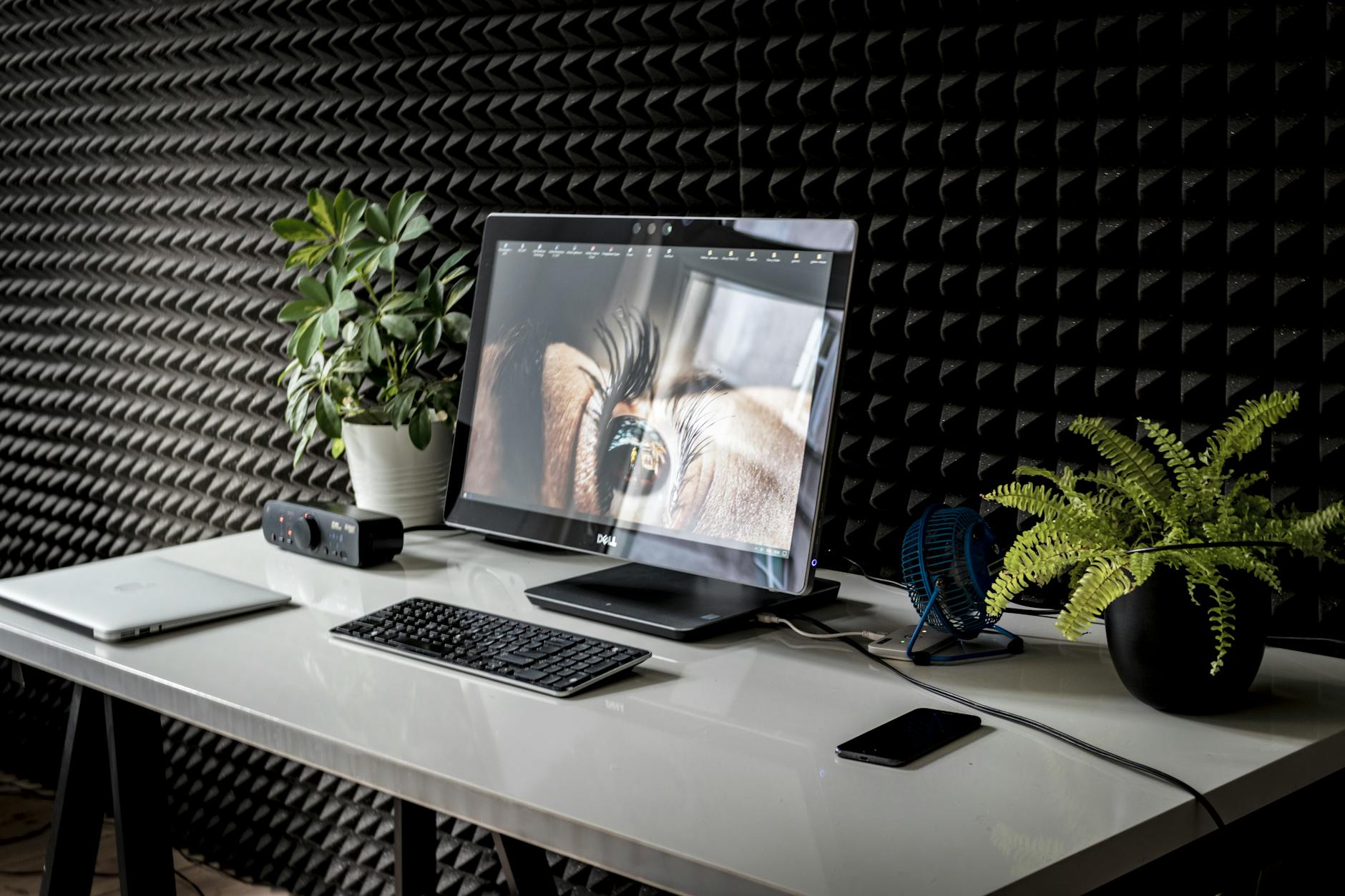
Your environment can either support or distract you. For those with ADHD, spatial structure significantly influences focus.
Why Environment Matters
Environmental cues can spur automatic behavioral responses, according to the American Psychological Association. An unruly workspace might breed chaos, whereas a minimalist setup encourages clarity.
Craft Your Space
- Decluttering: Embrace minimalist aesthetics—every item should have its place.
- Stimulus Control: Curtail distractions with noise-canceling headphones and dedicated work areas.
- Incorporate Movement: Active sitting solutions, like stability balls, harness kinesthetic energy without leaving your workspace.
Summing Up and a Step Forward
ADHD is part of you, but not all of you. Embrace empathy and self-understanding to discover methods that allow productivity to coexist harmoniously with your dynamic spirit.
For a customized productivity partnership, consider Sunrise – ADHD Coach. Its AI-driven tools guide ADHD minds toward daily triumphs.
Whether through embracing strengths or cultivating a nurturing environment, each stride paves your way toward unlocking the incredible potential within.
Key Takeaways
- ADHD requires tailored strategies to unlock unique productivity potential.
- Routines, even if small, can greatly enhance focus and creativity.
- Technology can be an ally in managing tasks and reminders effectively.
- Flow states can be achieved by aligning tasks with personal interests.
- Building emotional resilience helps transform setbacks into growth opportunities.
The Bottom Line
ADHD productivity isn’t about forcing yourself into molds; it’s about tailoring techniques to suit your unique gifts. Embrace the possibilities, and let every day be a fresh canvas of untapped potential awaiting realization.
References
- Child Mind Institute: Managing ADHD
- Journal of Attention Disorders: Technology in ADHD Management
- Harvard University: Interest-Driven Attention
- National Institutes of Health: Sleep and ADHD
- American Psychological Association: Environmental Psychology