




Table of Contents
- Plunging into ADHD and Sleep Complications
- Delving into the Neuroscience of Sleep and ADHD
- Decoding ADHD Sleep Techniques for Amplified Productivity
- Nutrition and Exercise: Partners in Sound Sleep
- The Digital Check-Out: Disarming Distractions
- Cautiously Introducing Sleep Aids
- Observing and Tweaking Your Sleep Approach
- Final Thoughts
Plunging into ADHD and Sleep Complications
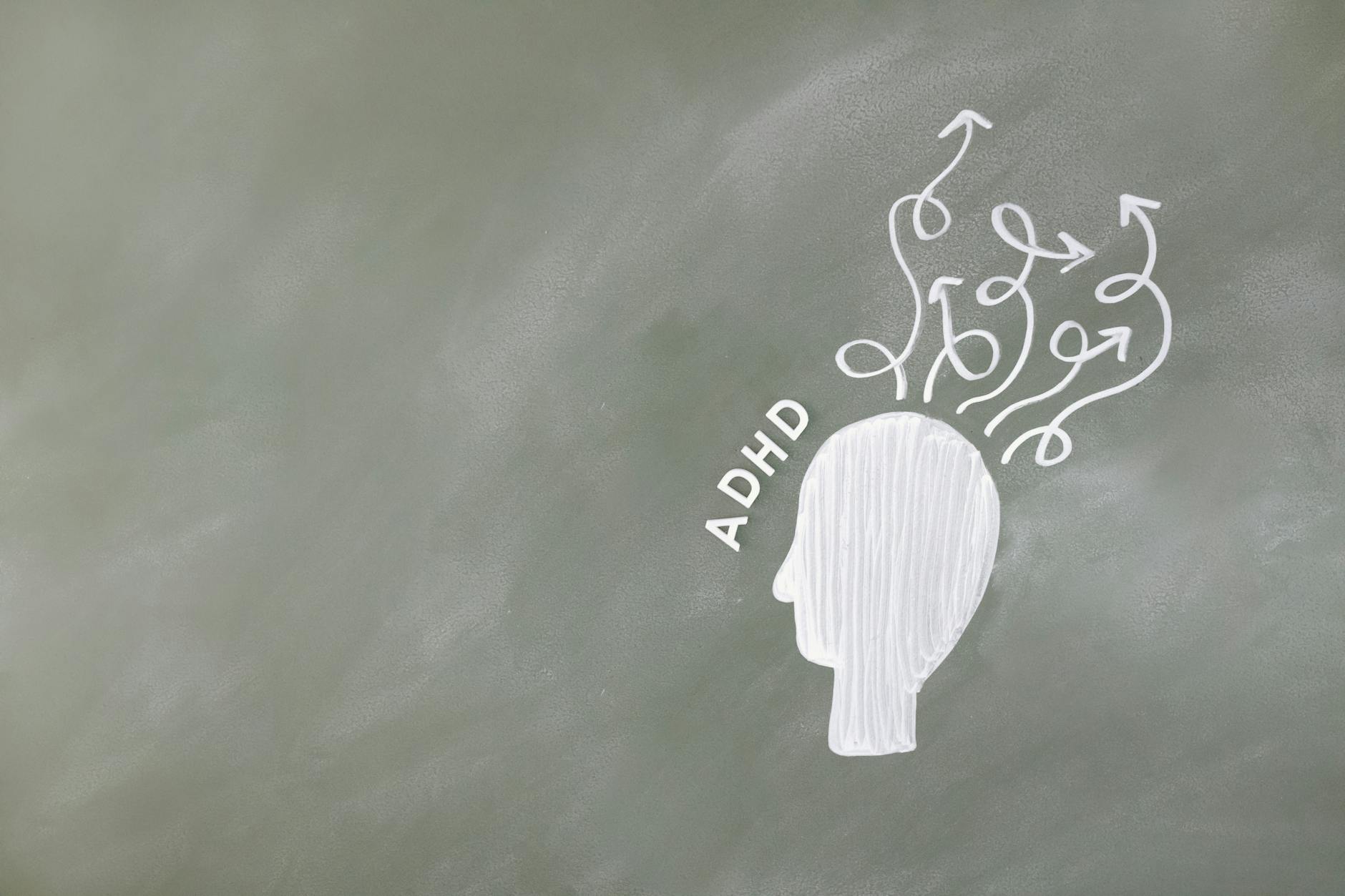
ADHD, acronymized as Attention-Deficit/Hyperactivity Disorder, typically manifests through inattentiveness, impulsivity, and a pervasive sense of restlessness. The correlation between ADHD and disrupted sleep is well-documented, with studies revealing that up to 70% of adults with ADHD grapple with sleep issues (Weiss et al., 2015). Whether it’s insomnia, erratic sleep cycles, or restless leg syndrome, these disruptions significantly hamper productivity, compounding daily challenges.
Delving into the Neuroscience of Sleep and ADHD
Current research underscores how ADHD influences both the reticular activating system and the arousal mechanisms of the brain, both of which are integral to sleep regulation (Cortese et al., 2009). Furthermore, medications often prescribed for ADHD—particularly stimulants—might worsen sleep disturbances in some. Grasping these connections is pivotal for crafting effective strategies that enhance sleep, thereby boosting productivity. As per Bijlenga et al. (2013), improving sleep quality has a marked effect on lessening ADHD symptoms, subsequently enriching life quality overall.
Decoding ADHD Sleep Techniques for Amplified Productivity
When we explore these sleep strategies, it is essential to credit the unique hurdles those with ADHD face. Here’s a detailed manual for fine-tuning your sleep hygiene:
- Synchronize Your Sleep-Wake Cycle
A vital sleep hack for ADHD is establishing and maintaining a consistent sleep schedule. Going to bed and rising at the same time—day in, day out—can reset your internal body clock. Alarms can be allies here. Research by Trockel et al. (2000) highlights how regular sleep schedules can enhance sleep quality among those with previously irregular sleep patterns.
- Cultivate a Sleep-Friendly Atmosphere
Your bedroom’s atmosphere could make—or entirely undo—a restful night’s sleep. Consider employing blackout curtains to shut out light, a white noise machine to negate disruptive sounds, and lowering the room temperature to create a soothing environment. These changes can drastically lower sensory overload, a common issue for individuals with ADHD.
- Embrace Mindfulness Rituals
Integrating mindfulness routines and relaxation exercises, be it through guided meditations or deliberate deep-breathing before sleep, can help pacify an overactive mind. Evidence from Mitchell et al. (2013) emphasizes how mindfulness practices can significantly better sleep quality, reducing anxiety and encouraging profound rest for those with ADHD.
- Curb Stimulant Consumption
Watch the intake of caffeine and other stimulants, especially through evening hours. Adults managing ADHD should carefully evaluate the timing and dosages of stimulant medications—an essential discussion to have with healthcare practitioners.
Nutrition and Exercise: Partners in Sound Sleep
- Nutritious Balance
Diet deeply influences sleep regulation. A diet suffused with whole grains, fruits, lean proteins, and vegetables can stabilize both mood and energy (Howard et al., 2011). Curbing sugar and heavily processed food can prevent the energetic peaks and lows that disrupt sleep cycles.
- Consistent Physical Activity
Regular exercise can help mitigate ADHD-related hyperactivity and restlessness. As recommended by the National Sleep Foundation, committing to at least 150 minutes of moderate aerobic activity per week is beneficial. Exercise such as walking, swimming, or yoga does more than enhance sleep—it also bolsters mood and focus.
The Digital Check-Out: Disarming Distractions
Excessive screen time, particularly before bed, can inhibit sleep. Blue light from screens detracts from melatonin production, delaying sleep (Hirshkowitz et al., 2015). Aim to power off electronic devices at least one hour before bedtime; explore alternative activities like reading or listening to calming tunes. Alternatively, blue light filters can come in handy when screen avoidance seems too impossible.
Cautiously Introducing Sleep Aids
Natural supplements or sleep aids, taken under expert supervision, can benefit some individuals. Melatonin, valerian root, or magnesium are common supplements supporting healthy sleep. Always seek healthcare advice before integrating any new supplements, particularly with ADHD in the playbook.
Observing and Tweaking Your Sleep Approach
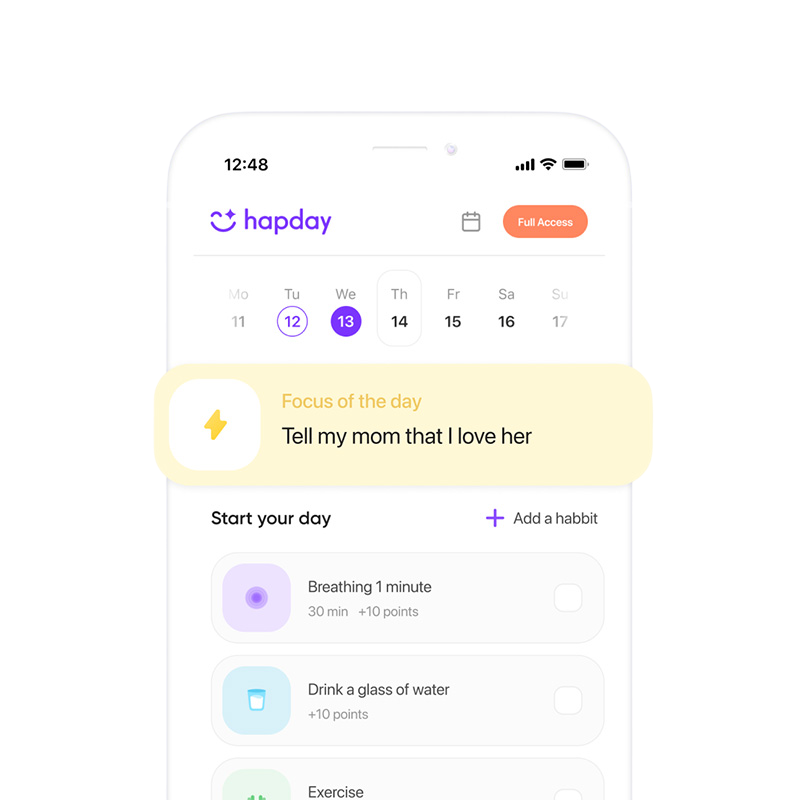
Be attuned to body cues and prepared to continuously adjust your approach. Sleep logs or specific apps can narrate your sleep patterns, drawing attention to potential triggers affecting sleep quality. Additionally, consider utilizing apps designed for ADHD that visually detail sleep cycles—offering insights for continued adjustments.
Final Thoughts
Embracing these ADHD-focused sleep hacks could dramatically alter your daily productivity landscape. By prioritizing consistent sleep, creating an environment conducive to rest, managing diet and exercise, and implementing digital breaks, those contending with ADHD might unearth latent reserves of focus and energy. Every one of these strategies honors the lived experience while subtlety eschewing prescriptive demands or judgments.
Ready to reconstruct your sleep and productivity narrative? Start integrating these ADHD sleep tactics now and welcome a more energized tomorrow. Stay informed—stay hopeful—by following FocusFlows for insightful, ADHD-centered wellness advice.