





Table of Contents
- The Complex Puzzle of ADHD and Focus
- Everyday Tips for Sharper Focus
- Considering Professional Insights
- Final Reflections
- References
The Complex Puzzle of ADHD and Focus
In the U.S., nearly 4.4% of adults grapple with Attention Deficit Hyperactivity Disorder (ADHD), as highlighted by the NIMH. It’s not just about being distracted; symptoms like inattention, impulsivity, and hyperactivity can deeply influence one’s focus. Recognizing these hurdles? A critical first step toward adopting effective coping strategies.
Everyday Tips for Sharper Focus
1. Routines: Embrace Order for Calm
Crafting a daily routine fosters stability and strengthens your focus. Journal of Attention Disorders once reported that routines quell uncertainties, establishing a focus-friendly milieu. Try a consistent timetable, allocating definite slots for work, leisure, and rest. Easier said than done? Perhaps. But definitely worth it.
2. Strategic Task Prioritization
To-do lists, Trello boards, or even Todoist—employ whichever method resonates—to orchestrate your tasks. By prioritizing, you ensure prime energy reserves are channelled toward critical tasks, often in those industrious morning hours. Remember when we fancied cognitive psychology? It tells us that dissecting mammoth tasks into digestible bites enhances focus, cutting down overwhelm.
3. Technology—Friend or Foe?
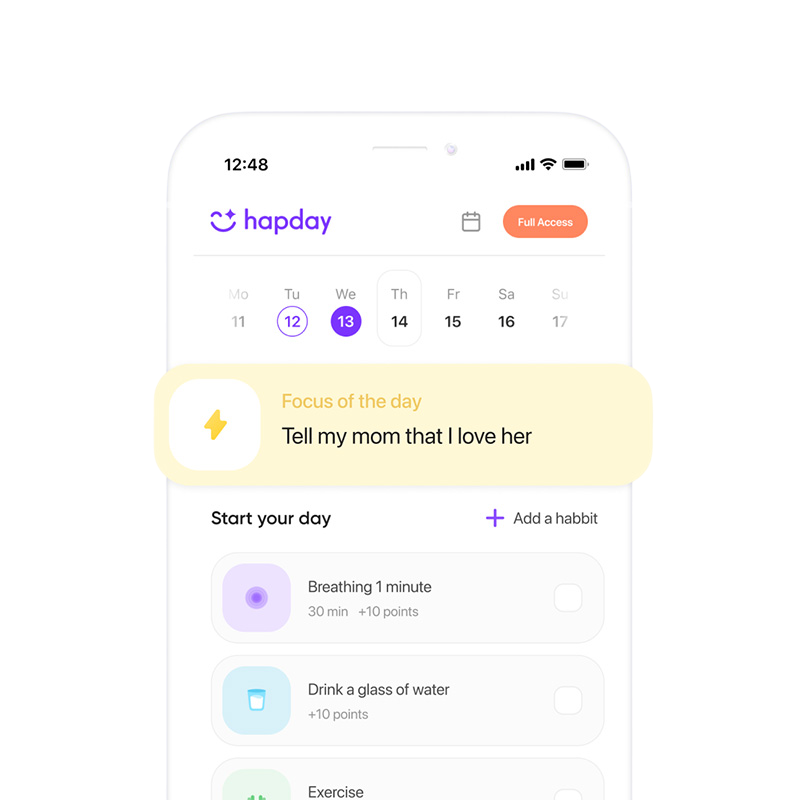
Used with intention, technology transforms into a focus enhancer. Apps such as Forest or Focus@Will present methods to augment concentration while curbing distractions. Did you catch that ADDitude article? It emphasized how ADHD-centric apps elevate productivity and time management.
4. Craft a Distraction-Free Zone
Your environment affects concentration more than you’d think. Carve out a serene, clutter-free workspace. Invest in noise-canceling gear or play lyric-free music to hush distractions. A Toronto University research? Affirmed that tailored workspaces benefit those with ADHD.
5. Mindfulness and its Magic
Integrating mindfulness can truly bolster your attention span while curbing impulsivity—backed by the Journal of Attention Disorders. A mere five minutes of mindfulness meditation each day could steady your mind, offering a much-needed pause.
6. Exercise is (Brain) Food
Regular physical activity can lift cognitive performance and dampen ADHD symptoms. Interesting point from Medical Hypotheses: exercise boosts neurotransmitter levels, enhancing mood and focus. Aiming for 30 minutes of light movement, such as walking or dance, daily, could do wonders.
7. Balanced Diet and Staying Hydrated
What you consume fundamentally impacts how sharp you feel. Foods rich in protein, plus omega-3s and greens, all nurture the brain. Are you keeping hydrated? It’s integral, as dehydration can drain energy. Nutritional Neuroscience firmly links a balanced diet to improved mood and concentration.
8. Balancing Breaks with Restful Sleep
Regular breaks during tasks fend off burnout and sustain the focus. Adopt the Pomodoro: 25 minutes work, a 5-minute respite. How vital is sleep? The Sleep Foundation stresses its importance, especially for those with ADHD, as sleep deprivation worsens symptoms.
Considering Professional Insights
Though these practical tips are invaluable, professional input from ADHD-specialized therapists remains crucial. Evidence suggests Cognitive Behavioral Therapy (CBT) is particularly effective for managing ADHD-related challenges.
Final Reflections
Sharpening focus with ADHD takes an inclusive strategy—melding environment, technology, nutrition, mindfulness, and expert advice. These aren’t just temporary fixes, but elements of a lifestyle acknowledging and adapting to distinct challenges.
Ultimately, this is a journey knit with patience and open-heartedness. Small, consistent steps coupled with community support can tip the scales towards tangible progress.
Stay encouraged as you explore these ADHD focus tips, slowly crafting a strategy in tune with your life. Engage with others, share your journey, and remember: every small advancement is in itself a victory.
References
- National Institute of Mental Health (NIMH).
- Journal of Attention Disorders. Routine Benefits.
- ADDitude Magazine, ADHD-specific apps.
- University of Toronto study on ADHD and environment.
- Journal of Attention Disorders, Mindfulness Study.
- Medical Hypotheses, Exercise and ADHD.
- Nutritional Neuroscience, Diet and Cognition.
- Sleep Foundation, ADHD and Sleep.