




Table of Contents
- Understanding ADHD and Focus
- ADHD and the Brain: Why Focus Drifts
- Practical ADHD Energy Hacks
- Optimize Your Environment
- Microtasking: Break It Down
- Utilize Pomodoro Technique
- Mindful Meditation
- Nutritional Interventions
- Regular Physical Activity
- Digital Tools and Apps
- Leveraging ADHD’s Strengths
- Final Thoughts
- References
Understanding ADHD and Focus
Attention Deficit Hyperactivity Disorder, better known as ADHD, throws a wrench into the works of attention filtering, emotion regulation, and task management. For adults, this often translates to juggling numerous unfinished projects or being lost in a sea of overwhelming ideas and poor time management. As awareness expands, the numbers follow suit. Looking back, a landmark study in the Journal of Clinical Psychiatry revealed that about 4.4% of U.S. adults were living with ADHD, but today, that figure is undoubtedly higher — a sign of growing recognition and diagnosis (Kessler et al., 2006).
ADHD and the Brain: Why Focus Drifts
The dance between ADHD and the brain is complex yet fascinating. Research shows a trend: folks with ADHD often have lower levels of dopamine, the neurotransmitter that impacts mood, attention, and motivation (Volkow et al., 2009). The million-dollar question becomes: how can one boost dopamine to enhance focus?
Practical ADHD Energy Hacks
Optimize Your Environment
One of the unsung heroes in ADHD management is your own environment. A neat workspace strips away distractions, clearing a path for better focus. If you’re one of those people who flinch at every sound, noise-cancelling headphones might be your best bet. And don’t underestimate the power of white noise apps or binaural beats—they can work wonders for sustained attention.
Microtasking: Break It Down
Why wrestle with huge tasks? Break those monsters down! Smaller, bite-sized tasks feel less intimidating and provide regular dopamine boosts upon completion, which can skyrocket motivation and focus (Fisher et al., 2014).
Utilize Pomodoro Technique
Time—such a fickle friend… The Pomodoro Technique helps tame it. Work for a strict 25 minutes, then pause for 5. This juggling act of short energy spurts and brief recuperation spells can enhance productivity for ADHD individuals in a big way (Cirillo, 2006).
Mindful Meditation
Mindful meditation is like a balm for the hyperactive mind. Want proof? Research led by Zylowska et al. (2008) found mindfulness could significantly ramp up attention and executive function in adults battling ADHD.
Nutritional Interventions
Who knew diet could wield such power? Omega-3s, for example, are known allies in brain function enhancement, potentially boosting both attention and working memory (Bos et al., 2015). So, consider a diet balanced with proteins, complex carbs, and those vital fatty acids.
Regular Physical Activity
Exercise isn’t just muscle and sweat; it’s brain magic, too. Aerobic activities especially spike dopamine levels, improving attention and executive functioning in ADHD adults (Den Heijer et al., 2017).
Digital Tools and Apps
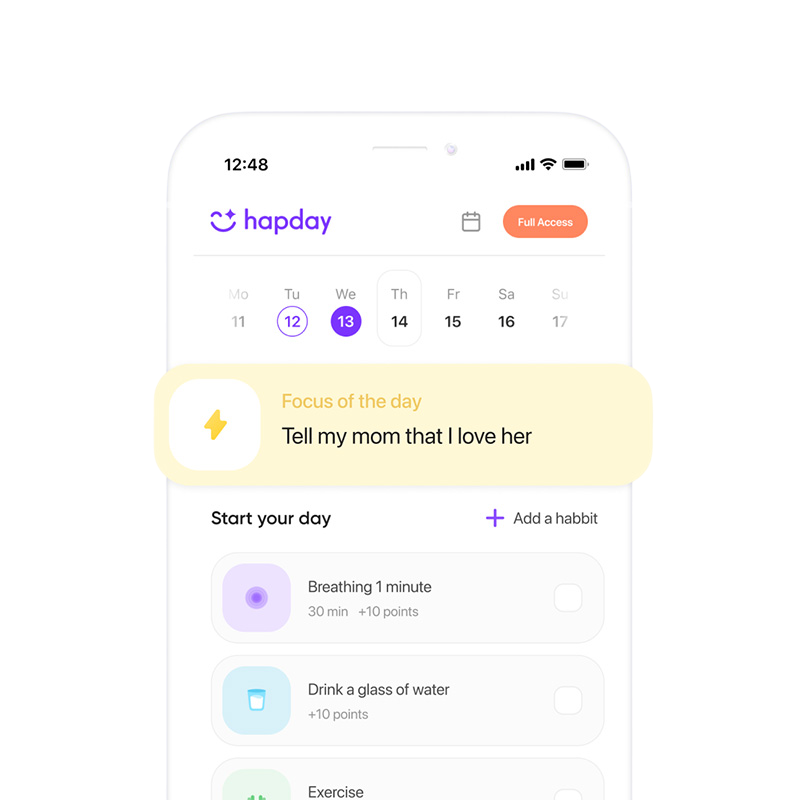
Technology—our modern friend and foe—offers a treasure trove of ADHD aids. Apps like Todoist, Focus@Will, and Forest can be game-changers. They dole out digital nudges, offer focus-enhancing sounds, and sprinkle in gamification to make finishing tasks a bit more enjoyable.
Leveraging ADHD’s Strengths
ADHD isn’t solely a hurdle. It brings gifts, too: unmatched creativity, grit, and striking hyperfocus on topics of genuine interest. Recognizing and embracing these strengths can transform seeming limitations into powerful assets.
Final Thoughts
ADHD, while challenging, doesn’t have to be the immovable boulder on the path to productivity and focus. With these energy hacks on hand, navigating daily demands becomes less of an uphill battle. Consistency and personal adaptation — those are your guiding stars. So, why not embrace your neurodiversity? Reframe those challenges into stepping stones toward growth and success.
Harness these strategies for a profound change in your approach to focus and productivity. Get ready to unleash the potential of your attentional energy!
References
- Kessler, R. C., et al. (2006). The Prevalence and Correlates of Adult ADHD in the U.S.: Insights From the National Comorbidity Survey Replication.
- Volkow, N. D., et al. (2009). Exploring Methylphenidate’s Impact: A Study on Dopamine and Task Saliency in the Human Brain.
- Fisher, C. D., et al. (2014). Aftermath of Goal Pursuit: Unexpected Drops in Attentional Allocation Post-Task Completion.
- Zylowska, L., et al. (2008). Mindfulness Meditation’s Role in Treating ADHD: A Groundbreaking Examination.
- Bos, D. J., et al. (2015). Diet’s Influence on ADHD in Childhood.
- Den Heijer, A. E., et al. (2017). Linking Physical Exercise to ADHD Symptom Relief: A Systematic Review.